Can You Eat Raw Tofu – Is it Safe?
Can you eat raw tofu?
Whether you’re a vegan, vegetarian, or simply looking to incorporate more plant-based protein into your diet, you’ve probably come across tofu as a great option.
I mean, we’ve all had our fair share of raw veggies, so why not raw tofu?
As someone who loves tofu, I did a little digging to find out the answer, and the verdict is yes, you can eat raw tofu!
However, it’s essential to make sure that it’s made from pasteurized soy milk and doesn’t contain any harmful bacteria.
Keep reading to know more!
Last updated: April 2026
🗝️ Key Takeaways
- Yes, raw tofu is safe to eat — as long as it is made from pasteurized soy milk and handled hygienically.
- Silken and soft tofu are the best choices for eating raw due to their smooth, custard-like texture; firm varieties are better suited for cooking.
- Always drain, rinse, and check the expiry date before consuming tofu straight from the package.
- Raw tofu is a convenient source of plant-based protein, plus nutrients like calcium, iron, and magnesium (U.S. Department of Agriculture, 2024, FoodData Central).
- Cross-contamination is the main safety risk — keep surfaces, hands, and utensils clean when handling raw tofu.
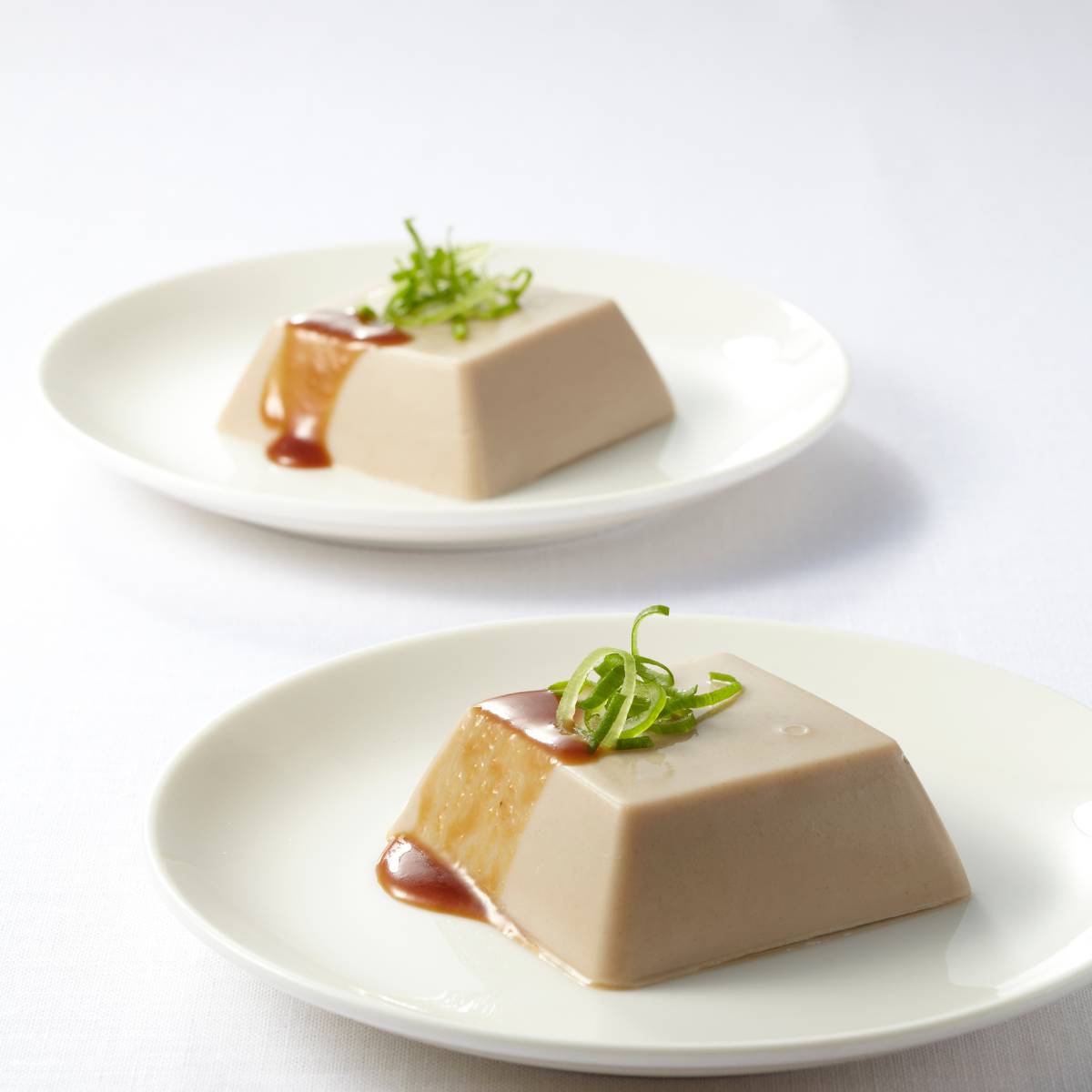
What is Raw Tofu?
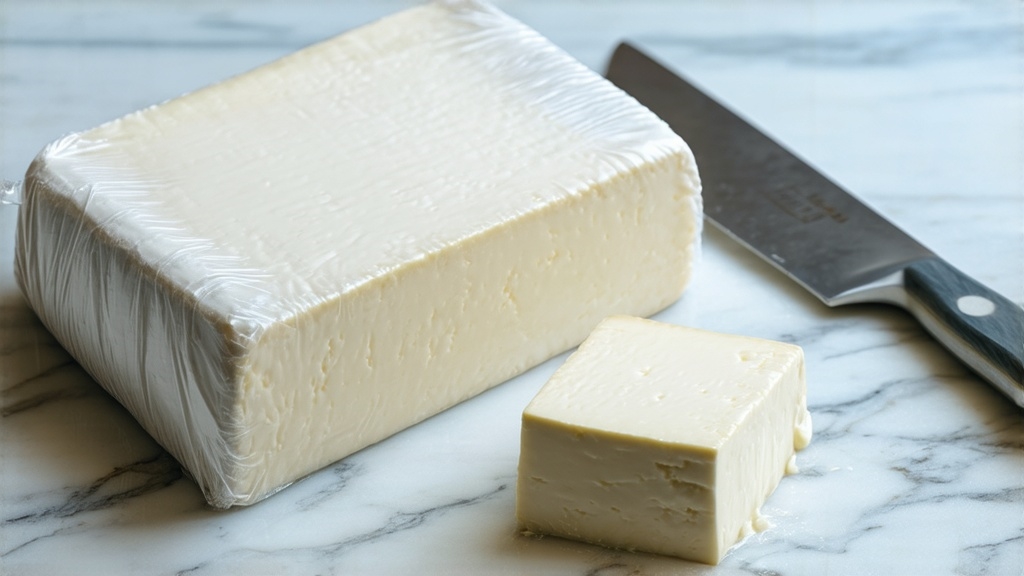
Raw tofu — also called fresh tofu — is tofu that has not been cooked after it was pressed and packaged. It is made by coagulating soy milk and pressing the resulting curds into solid white blocks, in a process similar to cheesemaking. The finished blocks are sealed in water and refrigerated for sale.
Raw tofu is typically soft and has a subtle flavor, with a texture that is somewhat custard-like or silky.
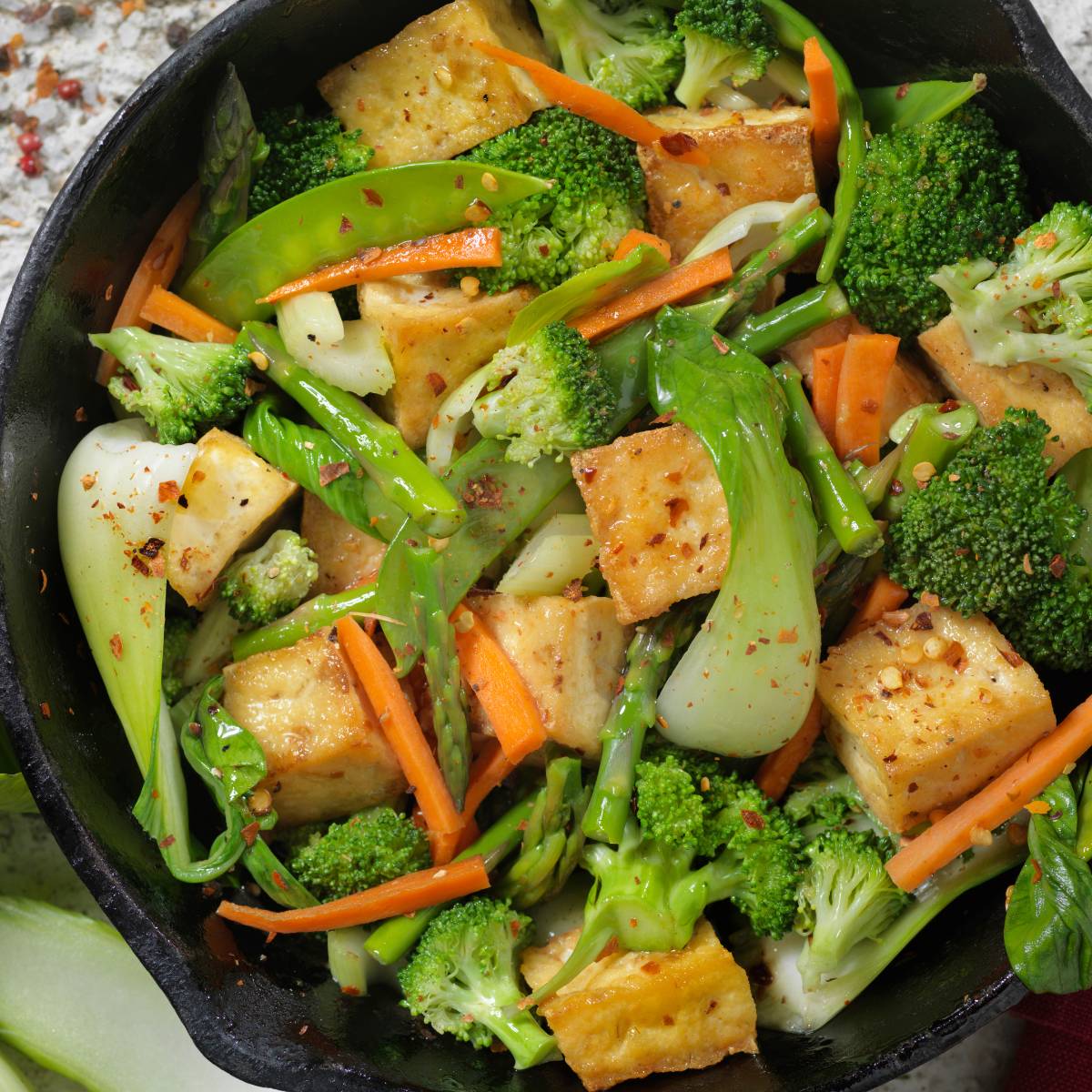
Many recipes use baked or fried tofu, while others may call for cold, raw tofu that’s often crumbled or cut into cubes.
If you’re not familiar with tofu, you might be curious about whether it’s safe to eat uncooked.
Let’s find out more here!
Can You Eat Raw Tofu?
Yes, you can safely eat raw tofu. Because tofu is already cooked during manufacturing — the soy milk is heated and coagulated before pressing — it does not need to be cooked again before eating. The key is choosing the right variety and following basic food safety steps.
Ready to enjoy tofu raw? Here’s how to do it safely and deliciously:
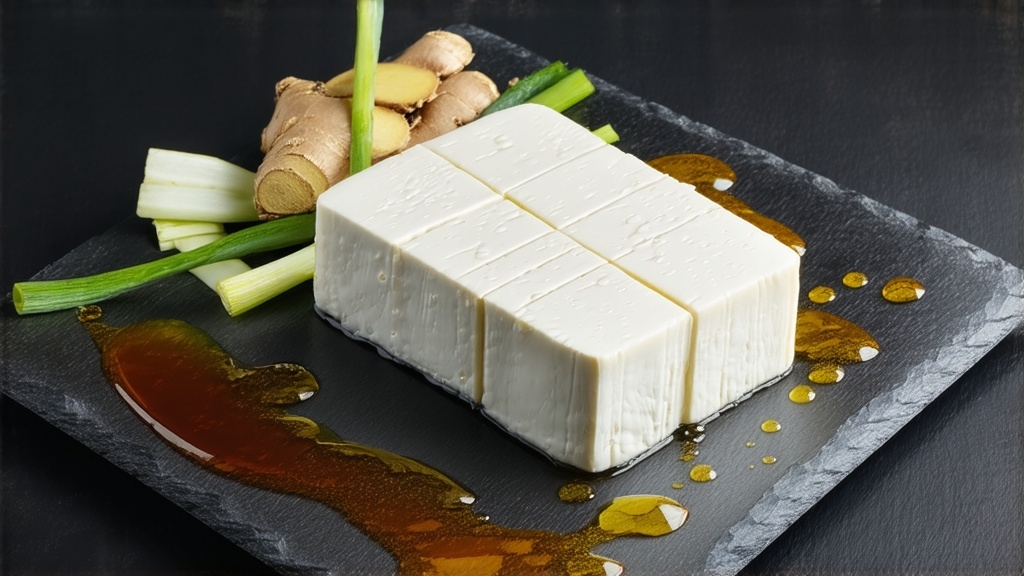
- Pick the perfect texture: Silken or soft tofu have a smooth, creamy texture ideal for raw eating. Firm or extra firm options are better suited for cooking.
- Drain and rinse: Discard the soaking liquid and rinse the tofu under cool water to remove any surface impurities.
- Freshness is key: Choose tofu with a recent “sell by” date and store it properly in the refrigerator. Consume within 3-5 days of opening for optimal flavor and safety.
- Get creative! Blend silken tofu into smoothies or dips for a protein boost. Top salads with crumbled soft tofu for a satisfying crunch. Or, use it as a base for vegan cheesecakes and mousses.
- Cleanliness matters: Always wash your hands and utensils before handling raw tofu to prevent bacteria growth.
Remember: By following these simple tips, you can enjoy the versatility and nutritional benefits of raw tofu in countless dishes!
Tofu Types Compared: Which is Best for Eating Raw?
| Tofu Type | Texture | Safe to Eat Raw? | Best For… |
|---|---|---|---|
| Silken | Smooth, creamy, very delicate | ✅ Yes | Smoothies, dips, dressings, desserts, vegan cheesecake |
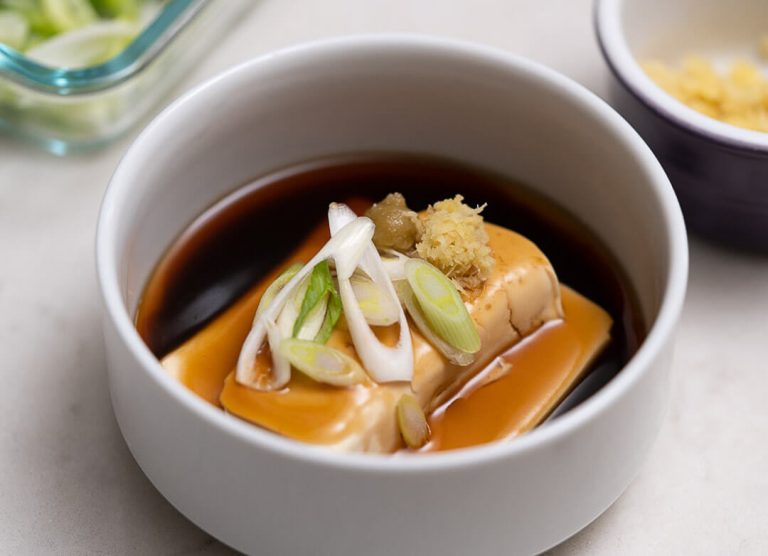
| Soft | Custard-like, mild flavor | ✅ Yes | Cold salads, hiyayakko (Japanese cold tofu), sauces |
| Firm | Denser, holds shape well | ⚠️ Possible but not ideal | Stir-fries, grilling, baking, pan-frying |
| Extra-Firm | Very dense, chewy | ⚠️ Possible but not ideal | Frying, marinating, high-heat cooking, meat substitutes |
What Are the Possible Benefits of Eating Raw Tofu?
Eating raw tofu is a quick, no-cook way to add plant-based protein and key nutrients to your diet. This versatile food doesn’t require much prep work besides draining off any excess water. According to the U.S. Department of Agriculture (2024, FoodData Central), tofu is a notable source of calcium, iron, and magnesium — nutrients that can be harder to obtain from other plant-based protein sources.
Another perk of eating raw tofu is that it’s a great addition to smoothies, purees, and sauces, as well as being a base for homemade ice cream.
By eating tofu raw, you can also avoid any added oils or fats that might come from common cooking methods, which could be helpful if you’re watching your calorie or fat intake.
So, if you’re looking for a quick and easy way to pack more protein and nutrients into your diet, give raw tofu a try now!

Are There Safety Concerns About Eating Raw Tofu?
Raw tofu is generally safe, but cross-contamination is the most common risk to be aware of. While tofu itself is cooked during production, it could still become contaminated after packaging through contact with other foods, unclean surfaces, or unwashed hands — which could lead to foodborne illness.
To minimize your risk of foodborne illness when consuming raw tofu, be sure to select a reputable brand and follow proper food safety guidelines.
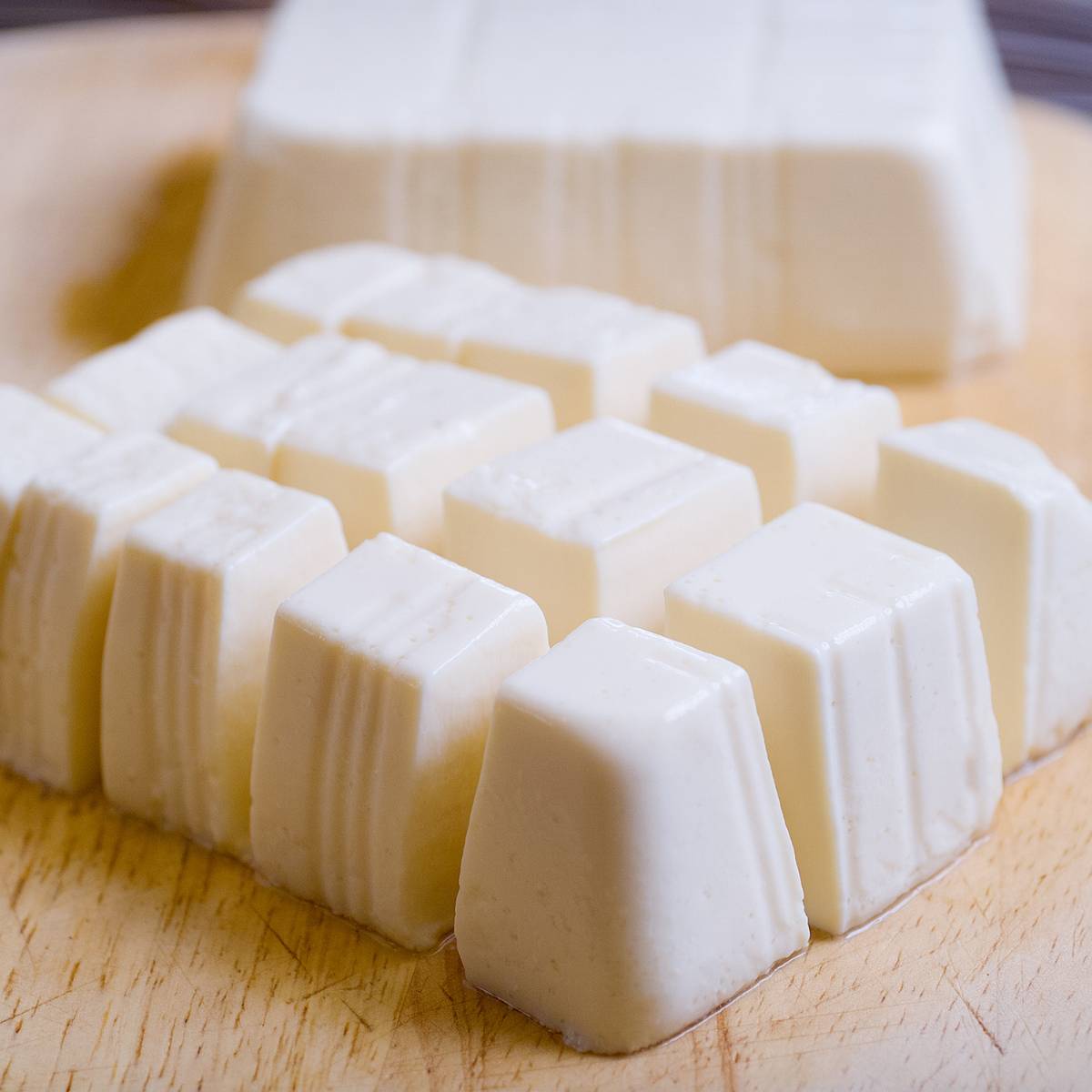
Tips on How to Safely Eat Raw Tofu
If you’re interested in trying raw tofu, there are some simple steps you can take to ensure that you do so safely. Here are a few tips to keep in mind:
- Silken (Best for: smoothies, dressings, and desserts) and soft block tofu (Best for: cold salads and light dishes) are the best options to eat raw, as they have a custard-like texture and a mild flavor that works well in raw dishes.
- Remove any excess water and potential contaminants, drain the water from the package of tofu, and rinse the tofu thoroughly with fresh water before consuming it.
- Always wash your hands with soap and water before handling raw tofu to prevent the spread of germs.
- Make sure to check the expiration date on the package of tofu before consuming it. If the tofu is past its expiration date, it could be contaminated with harmful bacteria and should not be consumed.
- If you have leftover raw tofu, be sure to store it in an airtight container in the refrigerator and consume it within a day or two to minimize the risk of contamination.
Conclusion
I hope this tofu talk has left you feeling enlightened and maybe even a little hungry.
It’s clear that raw tofu is a perfectly safe and healthy option for those who like to live on the wild side, but it’s not for everyone.
If you’re a fan of the raw stuff, Check out this… Hiyayakko video
At the end of the day, the most important thing is to enjoy what you’re eating.
So go ahead, embrace your inner tofu lover, and don’t be afraid to try something new.
Let me know what’s your take about the raw tofu in the comment section below.
Consider getting my tofu cookbook with over 30 recipes to inspire your next tofu dish – Japanese style, just remember my tips for you. Link to shop
Frequently Asked Questions
Is it safe to eat raw tofu straight from the package?
Yes. Tofu is already heat-processed during manufacturing, so it does not need to be cooked before eating. Simply drain the packaging liquid, rinse the block under cool water, confirm it is within its use-by date, and it is ready to eat.
What type of tofu is best for eating raw?
Silken tofu (best for: smoothies, dips, and creamy desserts) and soft tofu (best for: cold salads and light appetizers like hiyayakko) are the top choices for raw eating. Their custard-like texture is pleasant without cooking. Firm and extra-firm tofu can technically be eaten raw but have a denser, less appealing texture unless cooked.
How long can raw tofu be stored after opening?
Once opened, store unused tofu in an airtight container submerged in fresh water in the refrigerator. Change the water daily and consume within 3–5 days for best quality and safety. If you notice a sour smell, slimy texture, or discoloration, discard it.
Does eating raw tofu taste different from cooked tofu?
Yes. Raw tofu has a milder, more neutral flavor and a softer, wetter texture compared to cooked tofu. Cooking firms it up and adds flavor through browning or marinating. Many people prefer raw tofu in cold dishes, smoothies, and sauces precisely because of its mild, clean taste.
Can raw tofu be used in cooking and baking?
Absolutely. Raw silken tofu blends seamlessly into smoothies, creamy pasta sauces, salad dressings, vegan mousses, and no-bake cheesecakes. Soft raw tofu can be crumbled over salads or served Japanese-style (hiyayakko) with soy sauce and ginger. There is no need to cook it first for these applications.