Can You Get Drunk From Vanilla Extract: Here’s 1 Obvious Reason Why
Last updated: April 2026
Do you ever wonder if you can get drunk from vanilla extract? Well, the answer might surprise you.
Key Takeaways
- Pure vanilla extract legally contains 35–40% alcohol by volume (ABV) — on par with many spirits.
- Technically, consuming enough vanilla extract could cause intoxication, but doing so is neither safe nor practical.
- Vanilla extract is formulated as a culinary flavoring agent, not a beverage, and should only be used in recipe-directed small amounts.
- Alcohol-free and low-risk alternatives exist for adding vanilla flavor without the high ABV.
- Always check the product label for ABV and ingredient information before use.
In this article, we’ll explore the alcohol content of vanilla extract and the effects it can have on your body. We’ll also discuss the risks and side effects of consuming vanilla extract and provide safe consumption guidelines.
So, if you’re looking for a unique twist on your vanilla-flavored experience, keep reading to learn more!
Can You Get Drunk From Vanilla Extract?
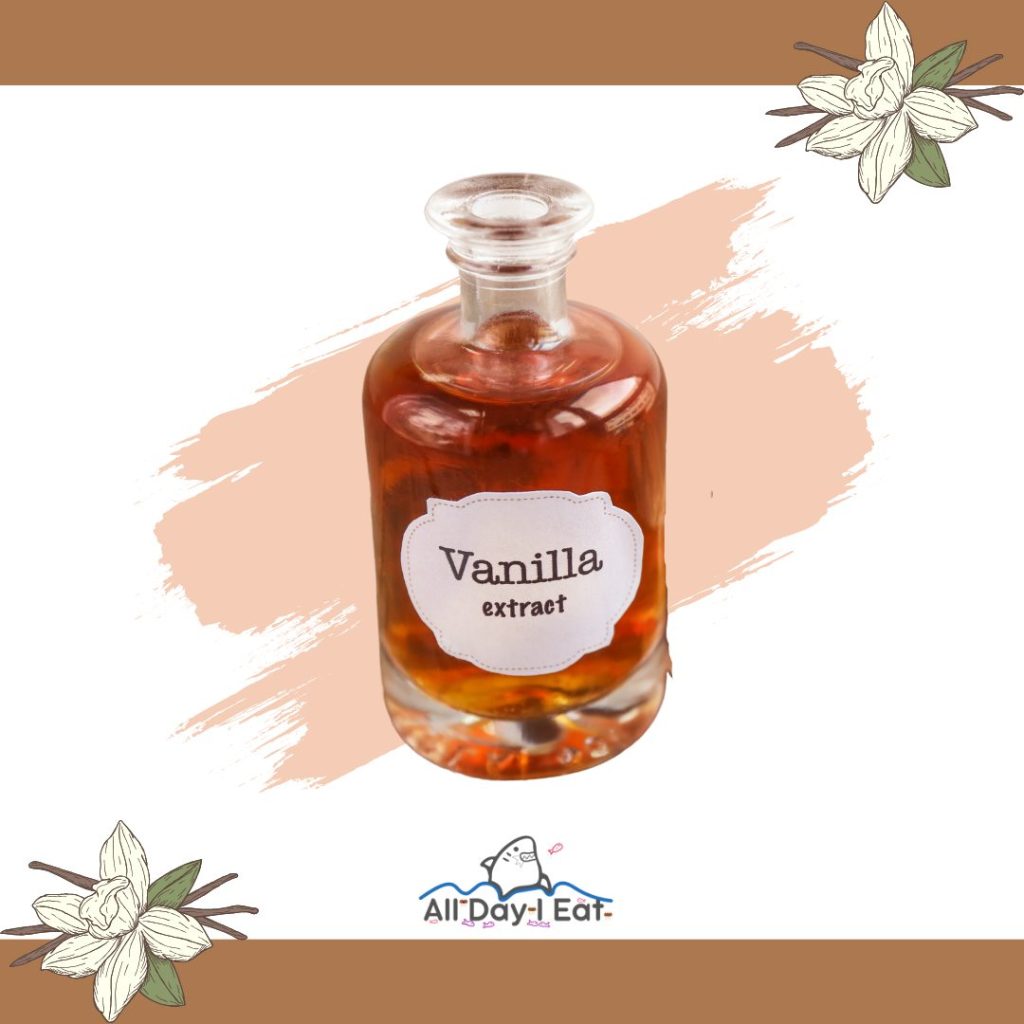
Yes — vanilla extract can technically cause intoxication because it contains 35–40% alcohol by volume (ABV), placing it in the same strength range as distilled spirits. Vanilla extract is defined as a solution produced by macerating and percolating vanilla beans (Vanilla planifolia) in a mixture of ethanol and water; the U.S. Food & Drug Administration mandates a minimum of 35% ABV for a product to be labeled “pure vanilla extract.”
You can determine the alcohol content of a specific vanilla extract (Best for: baking and recipes requiring authentic, full-spectrum vanilla flavor) by reading the label on the bottle. This is crucial information for those who desire innovation in their culinary creations.
Vanilla extract is made by soaking vanilla beans in alcohol, typically vodka or bourbon, which extracts the flavor compounds from the beans. The alcohol acts as a solvent, extracting the flavors and aromas of the vanilla.
The label will indicate the percentage of alcohol in the extract, usually ranging from 35% to 40%. This knowledge is important for innovative cooks who want to create unique and flavorful dishes. By understanding the alcohol content, you can better control the flavors in your recipes and ensure that your creations stand out with a delightful vanilla taste.
What Are the Effects of Consuming Vanilla Extract?
Consuming vanilla extract in excessive amounts can produce effects similar to drinking a concentrated spirit, given its 35% ABV — comparable to vodka or bourbon. While it may not cause intoxication in the tiny amounts used in cooking, consuming it outside of normal culinary use is a different matter.
Vanilla extract has an alcohol content as high as 35% ABV. This is as strong as hard liquors like vodka or bourbon. So, yes, technically, you could get drunk on vanilla extract. But, it’s important to remember that the high alcohol level also means a high risk of alcohol poisoning. Plus, vanilla extract has a very strong, concentrated flavor that is not pleasant to drink in large amounts. So, while it is possible to get drunk on vanilla extract, it is neither safe nor practical.
Additionally, the high alcohol content in vanilla extract can cause stress to your liver and other organs if consumed in large quantities over time. It’s important to remember that vanilla extract should be used in moderation and for its intended purpose in cooking and baking.
If you are concerned about the effects of consuming vanilla extract, it’s always best to consult a healthcare professional.
What Are the Risks and Side Effects of Vanilla Extract?
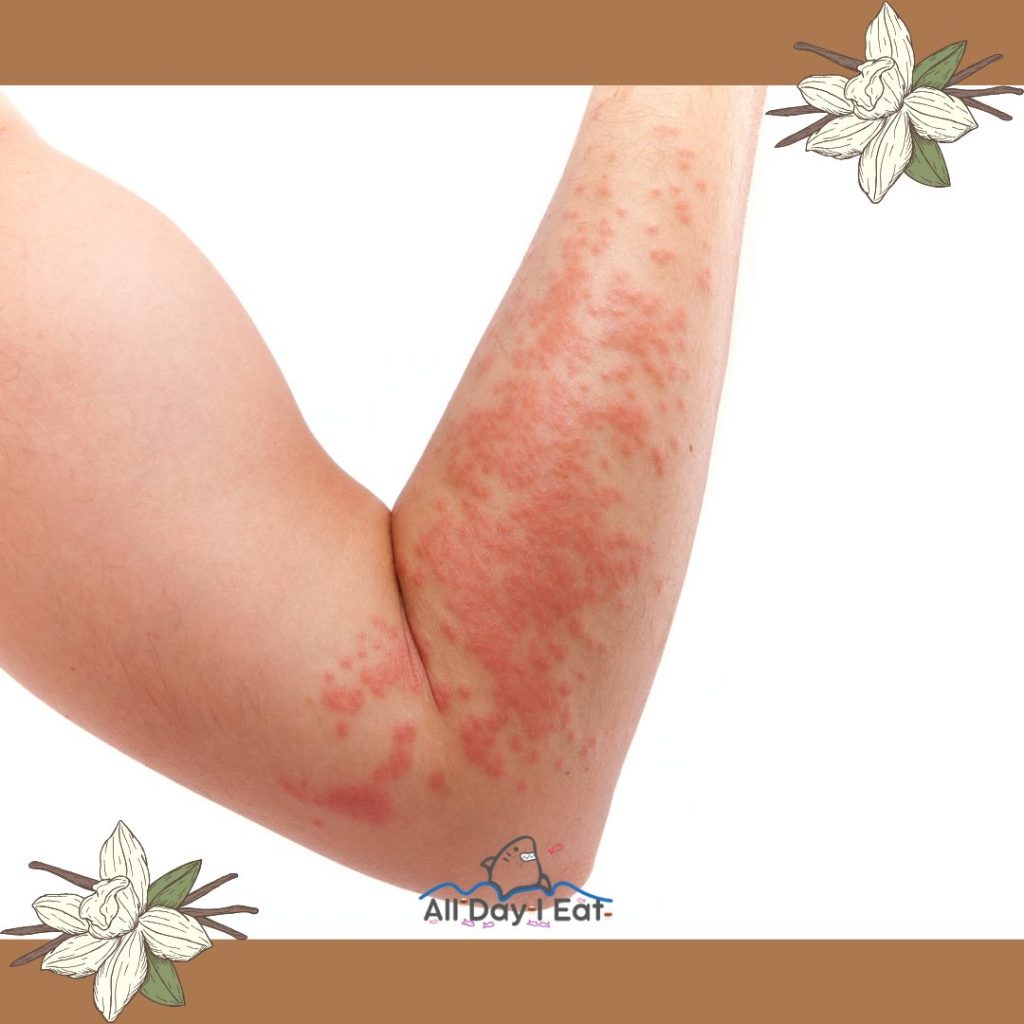
The primary risk of consuming vanilla extract outside of normal culinary use is its high alcohol concentration, which can produce serious adverse effects when taken in large quantities. While vanilla extract is generally safe in the small amounts used in recipes, consuming it beyond those quantities introduces several concerns.
Firstly, consuming large quantities of vanilla extract can lead to alcohol poisoning, as it contains a high alcohol content. This can result in dizziness, confusion, and even loss of consciousness.
Additionally, vanilla extract may cause an allergic reaction in some individuals, with symptoms ranging from mild itching and hives to more severe reactions like difficulty breathing or swelling of the face, lips, or throat.
It’s also important to note that vanilla extract contains small amounts of coumarin, a naturally occurring compound found in vanilla beans that can be present in high-concentration extracts.
Therefore, you must consume vanilla extract in moderation and consult a healthcare professional if any adverse reactions occur.
What Are the Safe Consumption Guidelines for Vanilla Extract?
The safest approach is to use vanilla extract only in the small, recipe-directed amounts intended for cooking and baking — typically ½ to 1 teaspoon per recipe — and never to consume it directly as a beverage. While vanilla extract is generally safe as a culinary ingredient, its high alcohol content makes large or direct consumption inadvisable.
It’s important to remember that vanilla extract is primarily used as a flavoring agent in baking and cooking rather than for consumption on its own. When using vanilla extract in recipes, follow the recommended measurements and avoid consuming it directly from the bottle.
If you’re looking for innovative ways to incorporate vanilla flavor (Best for: infusing drinks, homemade extracts, and desserts with whole-bean vanilla character) into your drinks or desserts, consider alternative options such as vanilla-flavored syrups or extracts specifically designed for direct consumption.
What Are the Best Alternatives to Vanilla Extract for Flavoring?
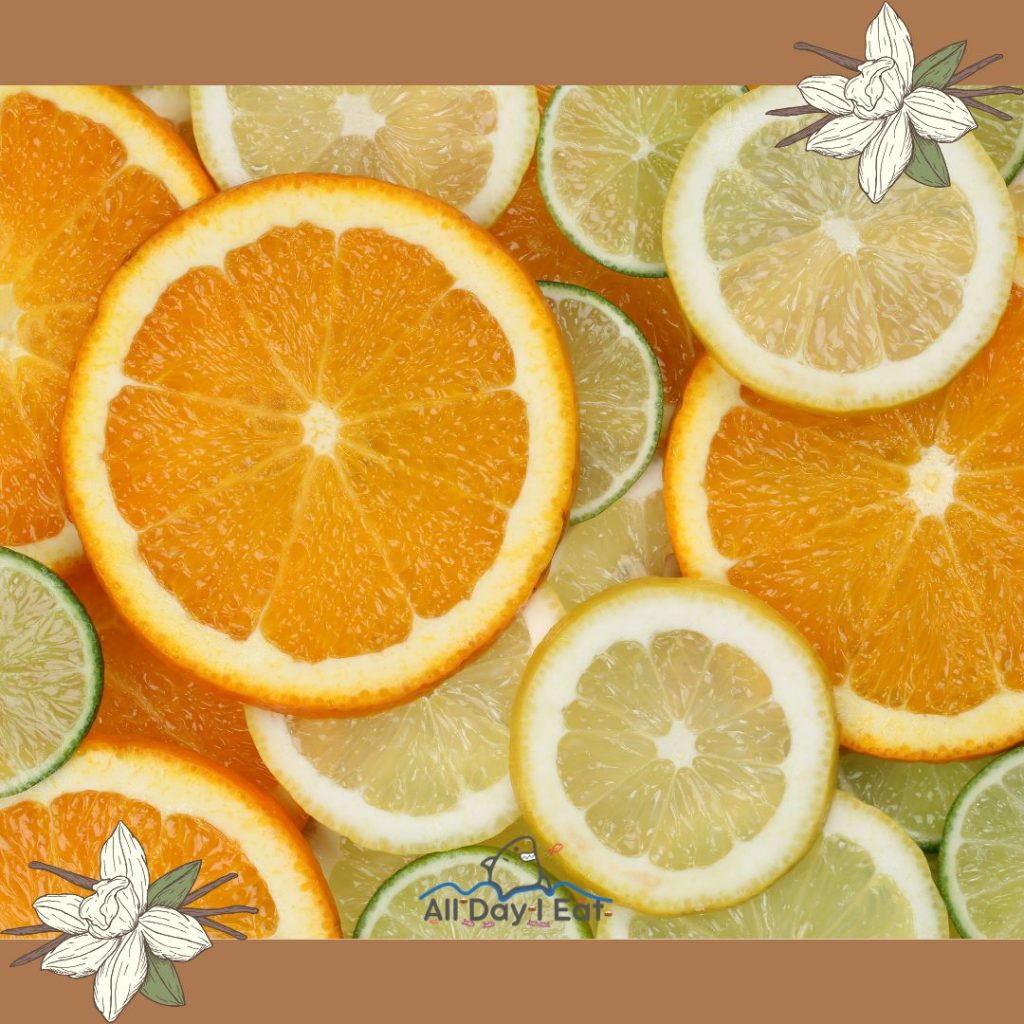
Several flavoring alternatives can replicate or complement the role of vanilla extract in recipes without the high ABV, including almond extract, citrus extracts, warm spices, and floral waters. Experimenting with these options opens up a wide range of flavor profiles for baking and cooking.
Almond extract can bring a nutty and sweet flavor to your baked goods (Best for: cookies, macarons, and cherry-based desserts where a rich, nutty-sweet note enhances the recipe), while citrus extracts such as lemon or orange can provide a refreshing and tangy taste (Best for: light cakes, glazes, beverages, and recipes calling for a bright, fresh lift). Another interesting option is using spices like cinnamon or nutmeg to enhance the flavor of your recipes.
These spices can add warmth and depth to your desserts or even savory dishes. For a more adventurous touch, you could also try using floral extracts like lavender or rosewater (Best for: Middle Eastern-inspired desserts, shortbreads, and beverages where an aromatic, exotic note is desired), which can lend an exotic and aromatic note to your creations.
Don’t be afraid to explore new flavors and get creative in the kitchen!
Vanilla Extract vs. Alternatives: At a Glance
| Flavoring Option | Flavor Profile | Alcohol Content | Best For | Notes |
|---|---|---|---|---|
| Pure Vanilla Extract | Sweet, warm, floral | 35–40% ABV | Baking, custards, ice cream | FDA minimum 35% ABV required for “pure” label |
| Vanilla-Flavored Syrup | Sweet, mild vanilla | 0% (alcohol-free) | Drinks, dessert toppings, direct consumption | Formulated for direct consumption; lower intensity |
| Almond Extract | Nutty, sweet, slightly bitter | ~32–35% ABV | Cookies, cakes, pastries | Stronger than vanilla — use half the amount |
| Citrus Extract (Lemon/Orange) | Bright, tangy, fresh | ~35% ABV | Light cakes, glazes, beverages | Pairs well with berry and cream-based recipes |
| Cinnamon / Nutmeg (spice) | Warm, spicy, earthy | 0% (alcohol-free) | Baked goods, savory dishes, warm drinks | No alcohol; adjust quantity to taste |
| Rosewater / Lavender Water | Floral, aromatic, exotic | 0–5% ABV | Middle Eastern desserts, shortbreads, beverages | Use sparingly — flavor is very concentrated |
Frequently Asked Questions
Does vanilla extract contain real alcohol?
Yes. Pure vanilla extract is required by the U.S. FDA to contain a minimum of 35% alcohol by volume. The alcohol (typically ethanol from vodka or bourbon) acts as a solvent to draw out the flavor compounds from vanilla beans during the extraction process.
How much vanilla extract would it take to get drunk?
Because vanilla extract is 35–40% ABV — comparable to many spirits — consuming it in quantities far beyond normal culinary use could technically produce intoxication. However, its intensely concentrated, bitter flavor makes consuming it in those amounts highly unpleasant and impractical. Vanilla extract is formulated as a flavoring ingredient, not a beverage.
Is the alcohol in vanilla extract the same as in liquor?
Yes — pure vanilla extract uses food-grade ethanol (the same type of alcohol found in spirits such as vodka or bourbon) as its base solvent. The percentage is similar to many standard liquors, which is why the extract carries the same intoxication potential if consumed in large amounts.
What is a good alcohol-free substitute for vanilla extract?
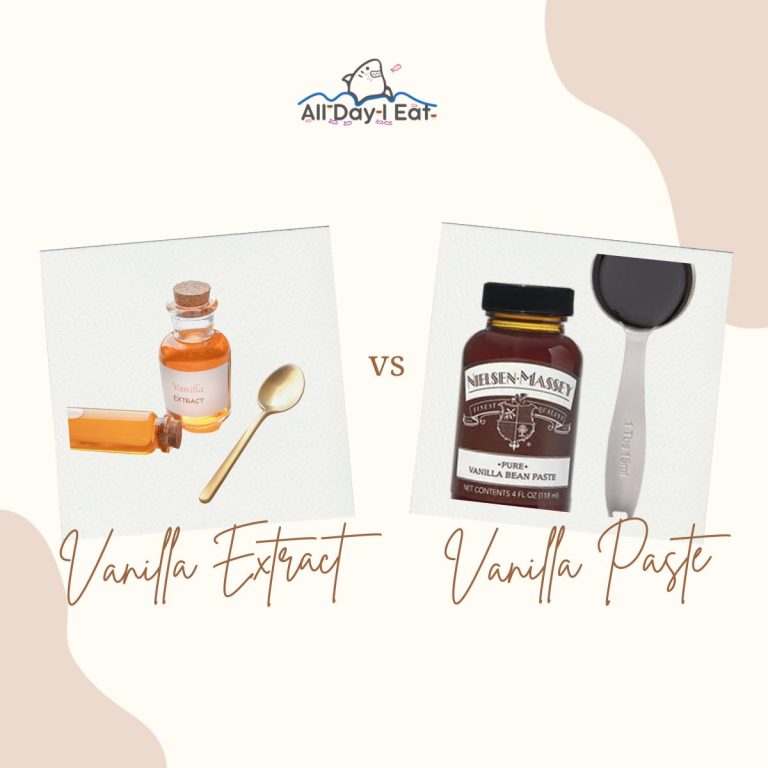
Vanilla-flavored syrups and glycerin-based vanilla flavoring are the most direct alcohol-free substitutes. Vanilla bean paste and vanilla powder are also excellent options that deliver authentic vanilla flavor without any alcohol content — making them suitable for recipes where minimizing alcohol is a priority.
Does cooking with vanilla extract burn off the alcohol?
When vanilla extract is added to baked goods or heated recipes, a significant portion of the alcohol evaporates during the cooking or baking process. However, the tiny amount used in a standard recipe (typically ½–1 teaspoon) means the residual alcohol per serving is negligible even without cooking.