How Many Sushi Rolls Per Person: Expert Recommendations
Sushi is a Japanese dish that has become increasingly popular around the world. It is a healthy and delicious meal option that can be enjoyed by people of all ages. However, if you’re planning a sushi party or ordering sushi for a group, it’s important to know how many sushi rolls per person are needed to avoid overordering or underordering.
Key Takeaways
- Plan for 3 rolls per person for a main course, but reduce to 2–2.5 rolls if serving side dishes
- Women typically consume 6–8 rolls, while men average 8+ rolls depending on appetite and roll size
- A standard sushi roll contains 6–8 pieces; always order slightly more than you think you’ll need
- For group events, include variety (60% classic rolls, 30% specialty, 10% vegetarian) to prevent waste
- Side dishes like miso soup, edamame, and salad help stretch sushi further and create a complete meal
Last updated: April 2026
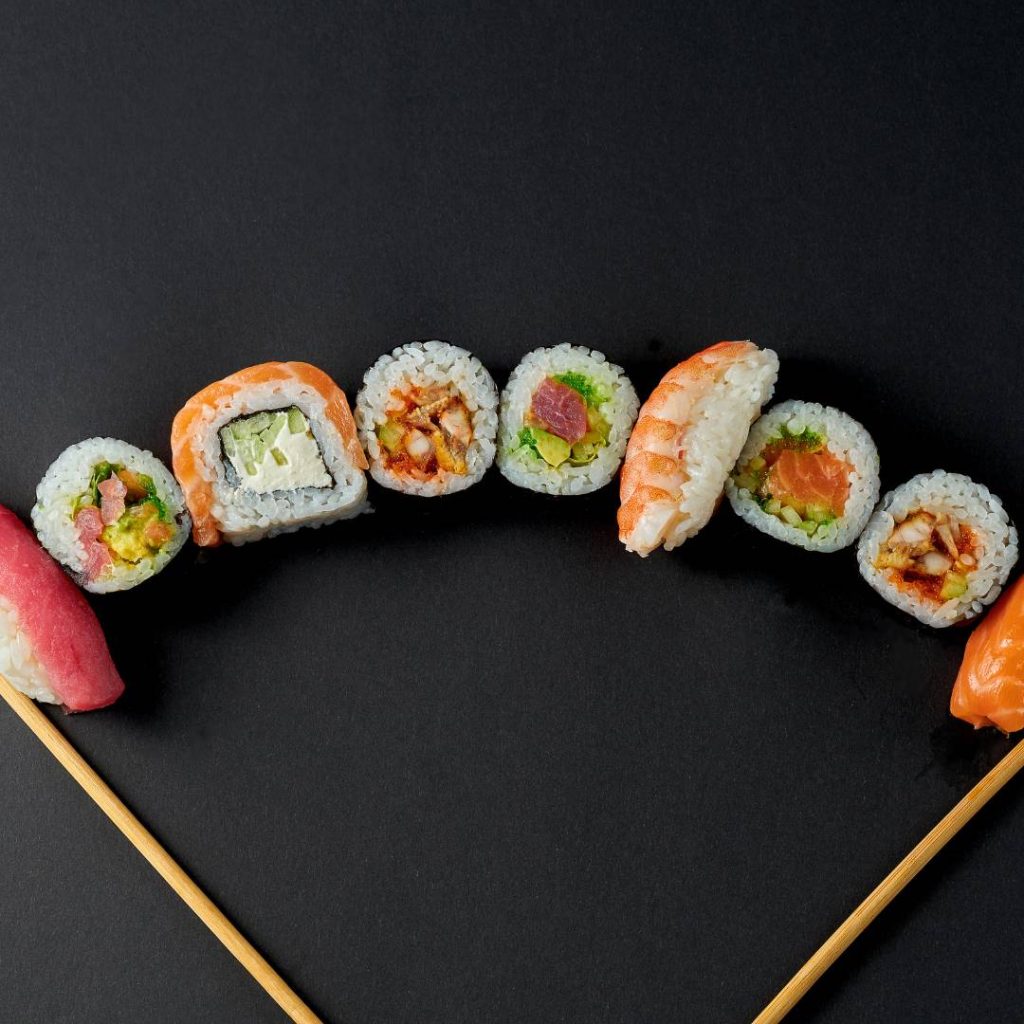
The visual below illustrates the wide variety of sushi roll types commonly served in Japanese cuisine.
Understanding Sushi
Sushi is a traditional Japanese dish that has become popular all over the world. It is a dish made with cooked vinegared rice, combined with various ingredients such as raw fish, vegetables, and seaweed (nori). Sushi is usually served in bite-sized pieces or rolls and accompanied by soy sauce, wasabi, and pickled ginger.
Types of Sushi
There are three main types of sushi: maki (rolls), nigiri (hand-formed), and sashimi (sliced fish). Each has distinct characteristics that affect serving size and consumption rates. Maki sushi is a type of sushi roll that typically contains rice, seaweed (nori), and fillings such as raw fish, vegetables, and avocado — best for those wanting complete, filling bites. Nigiri sushi consists of a small ball of rice topped with a slice of raw fish or other seafood — best for showcasing premium fish quality and individual tasting. Sashimi is thinly sliced raw fish or meat served without rice — best for purists who want pure fish flavor without filler.
Sushi Ingredients
The ingredients used in sushi vary depending on the type of sushi. The most common sushi ingredients include raw fish, seaweed (nori) — best for wrapping and structural integrity, cooked vinegared rice, and fillings such as cucumber — best for light, refreshing roles, avocado — best for creamy texture, and carrots — best for color and sweetness. Other ingredients used in sushi include wasabi — best for nose-clearing heat, pickled ginger, and soy sauce — best for savory depth without overpowering delicate fish.
Sushi Roll Varieties
Sushi rolls come in different sizes and shapes, each affecting consumption and serving calculations. The most common sushi roll varieties include uramaki — best for modern, approachable presentations with rice on the outside, futomaki (thick rolls) — best for maximum flavor variety with multiple fillings, and hand rolls (temaki) — best for interactive dining experiences. Uramaki has rice on the outside and seaweed on the inside, with fillings such as avocado and cucumber. Futomaki is a thick sushi roll that typically contains rice, seaweed, and fillings such as cooked egg, cucumber, and pickled vegetables. Hand rolls are cone-shaped sushi rolls that are usually filled with rice, seaweed, and fillings such as raw fish and vegetables.
As shown in the following illustration, serving size estimates vary based on appetite, group size, and dining occasion.
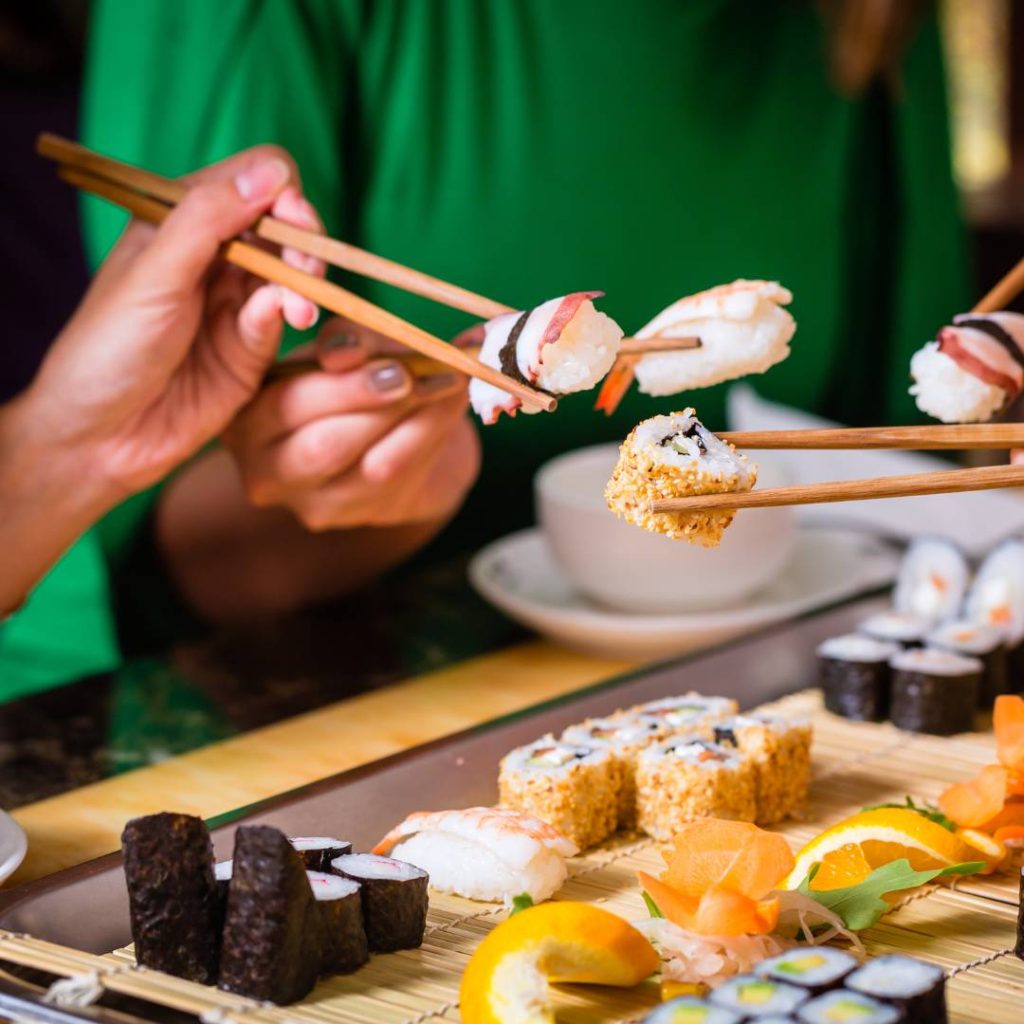
How Many Sushi Rolls Per Person?
The standard recommendation is 3 sushi rolls per person for a main course, though this varies significantly by gender, appetite, and whether side dishes are served. For planning purposes, women typically eat 6–8 rolls while men consume 8 or more, but individual appetite and roll size create considerable variation.
Sushi Rolls Per Person by Appetite
The number of sushi rolls per person can vary depending on several factors such as age, gender, and appetite. According to Cook for Folks, you should plan for 7 sushi rolls per person for dinner as a baseline. Women typically eat 6 rolls, while men can eat more than 8. However, this can vary depending on the size of the rolls, the appetite of your guests, and whether you’re serving side dishes.
Another source, Ichi Sushi, suggests that a woman will generally require 6–8 rolls, while a male can eat two orders of 8 rolls. Men need roughly twice the quantity of rolls women do. The size of the sushi rolls also matters significantly. If you have larger rolls, you need fewer of them to satisfy guests. However, if the sushi slices are smaller, you will need a larger quantity to feed a large group.
It’s also important to note that the number of pieces of sushi in a roll can vary. A standard sushi roll usually contains 6–8 pieces, but some rolls can contain as many as 10 pieces. If you’re ordering sushi for a group, it’s always better to have a little more than not enough.
The visual below illustrates key considerations when calculating how many rolls to order for a group or dinner.
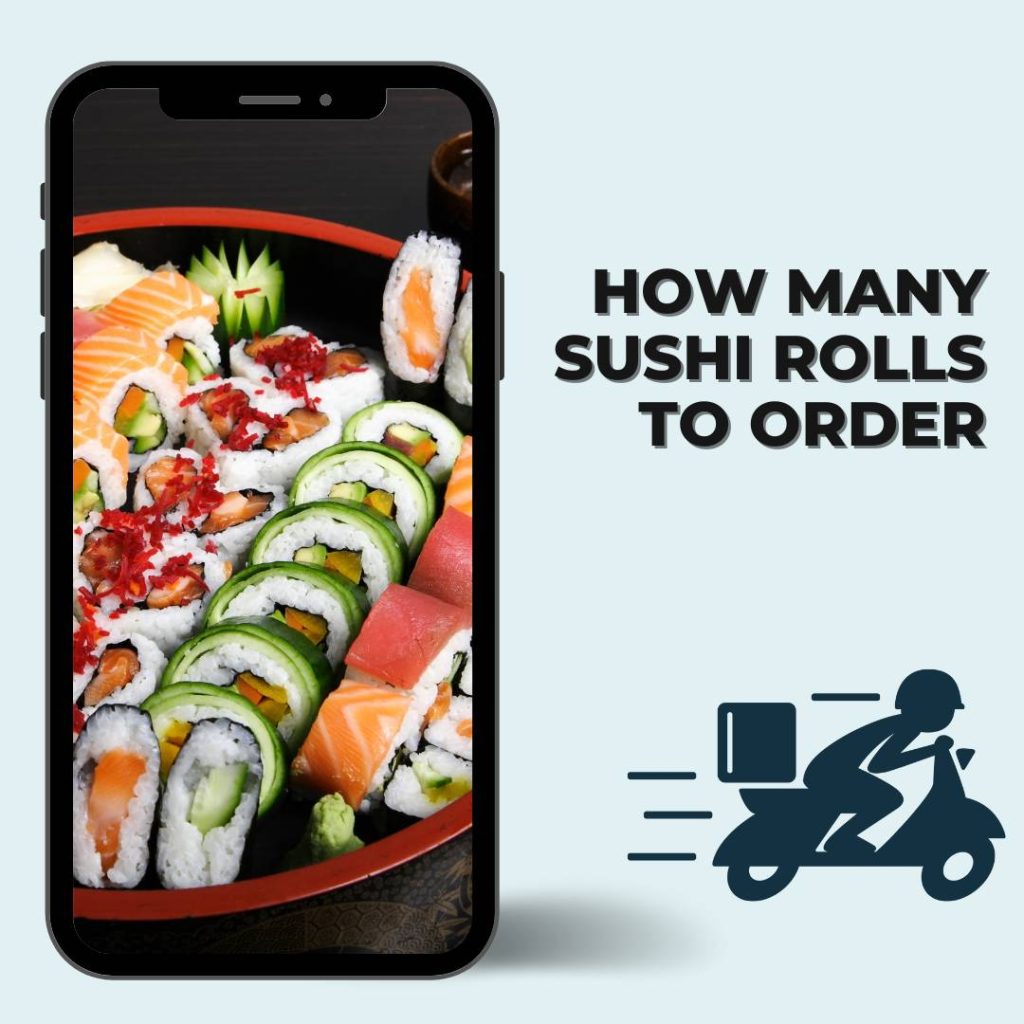
How Do You Order Sushi for Groups?
The key to successful sushi ordering is calculating 2.5–3 rolls per person when sushi is the main dish, and 2–2.5 rolls per person when side dishes are included. Always round up to the nearest roll to avoid leaving guests hungry.
Ordering Sushi for a Group
When ordering sushi for a group, it’s always better to have a little more than not enough. Generally, you should order at least 3 sushi rolls per person for a satisfying meal. If you’re unsure about the number of rolls to order, you can always ask the sushi chef or restaurant staff for guidance.
If you’re ordering sushi for a group, it’s also a good idea to consider the different types of sushi rolls that you want to order. You can include a variety of rolls with different fillings to cater to everyone’s taste preferences. You can also order side dishes like miso soup — best for warming the stomach and aiding digestion, edamame — best for adding protein without excess calories, or tempura — best for creating textural contrast to complement sushi.
Ordering Sushi at a Restaurant
Most sushi restaurants can guide you on portion sizes, and many offer catering platters designed for groups. When ordering sushi rolls, you should consider the size of the rolls and the number of pieces per roll. A standard sushi roll usually contains 6–8 pieces, while a larger roll may contain 4 pieces.
If you’re unsure about the number of rolls to order, you can ask the server or the sushi chef for guidance. They can recommend the number of rolls based on the size of your group and your appetite. You can also order different types of sushi rolls to try out new flavors and combinations.
When ordering sushi at a restaurant, it’s important to consider the price and the quality of the sushi rolls. Some sushi restaurants may have higher prices than others, depending on the location and the quality of the ingredients. It’s always better to choose a Japanese restaurant with a good reputation and quality ingredients to ensure that you get the best sushi experience.
Health Aspects of Sushi
Sushi can be a nutritious meal when prepared with quality ingredients, offering protein, omega-3 fatty acids, and essential vitamins and minerals. However, raw fish carries foodborne illness risks, and some fish varieties contain elevated mercury levels, so sourcing from reputable restaurants is essential.
Nutritional Value
Sushi is a nutrient-dense food that is rich in protein, vitamins, and minerals. The nutritional value of sushi varies depending on the type of sushi you eat. For example, a California roll typically contains avocado, cucumber, crab meat — best for budget-friendly protein, and rice. This type of sushi is relatively low in calories and fat and provides a good source of fiber, vitamin C, and potassium.
Fresh fish sushi, such as salmon or tuna, is a good source of omega-3 fatty acids, which are essential for brain health and heart health. Omega-3 fatty acids can help reduce inflammation, lower blood pressure, and improve cholesterol levels.
Potential Health Risks
While sushi can be a healthy addition to your diet, there are some potential health risks associated with eating sushi that require awareness. One of the main concerns is the risk of mercury poisoning. Some types of fish, such as tuna, can be high in mercury, which can be harmful to your health if consumed in large amounts.
Another potential health risk associated with sushi is the risk of foodborne illness. Raw fish and shellfish can contain harmful bacteria and parasites that can cause food poisoning. To reduce the risk of foodborne illness, it is important to choose a reputable sushi restaurant and to make sure that the sushi is prepared and stored properly.
Finally, sushi can be high in sodium, especially if you eat soy sauce with your sushi. High sodium intake can lead to elevated blood pressure and cardiovascular concerns. To reduce your sodium intake, you can ask for low-sodium soy sauce or use it sparingly when dipping.
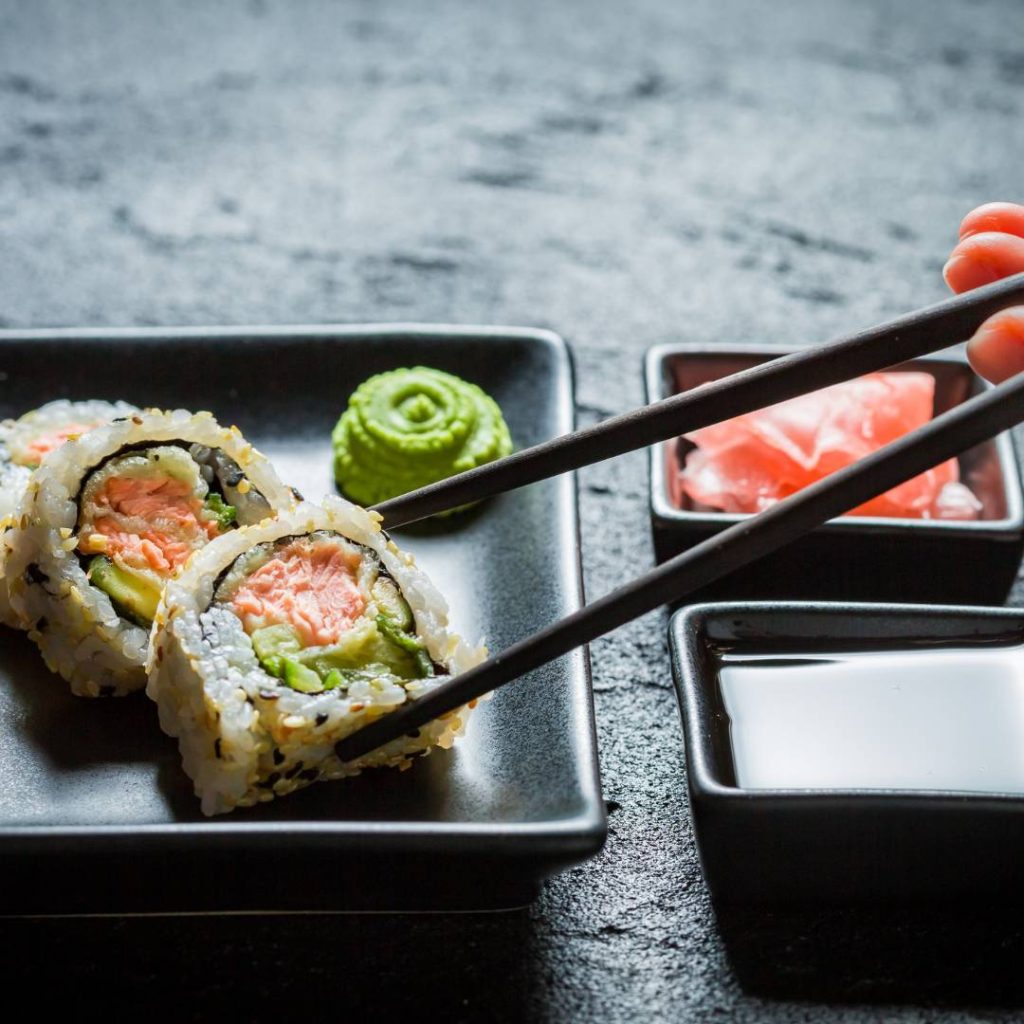
Sushi Accompaniments and Condiments
Sushi accompaniments are essential for enhancing flavor, cleansing the palate between bites, and creating a complete dining experience. Four key accompaniments — wasabi, soy sauce, ginger, and vegetables — each serve specific culinary purposes.
Wasabi
Wasabi is a green paste that is often served with sushi — best for adding sharp, nose-clearing heat and stimulating the palate. It is made from the root of the wasabi plant and has a pungent, spicy flavor. Wasabi is typically added to soy sauce to create a dipping sauce for sushi. It is important to note that wasabi should be used sparingly, as it can be quite spicy and may overpower delicate fish flavors.
Soy Sauce
Soy sauce is a staple condiment in Japanese cuisine and is essential to the sushi experience — best for enhancing savory umami flavors without overwhelming delicate ingredients. It is a salty, savory sauce made from soybeans, wheat, and salt. Soy sauce is typically used as a dipping sauce for sushi and can also be used to flavor other dishes.
When using soy sauce with sushi, it is important to use it in moderation. Too much soy sauce can overpower the flavor of the sushi and make it too salty. It is also recommended to use low-sodium soy sauce to reduce the salt content and accommodate those monitoring sodium intake.
Ginger
Pickled ginger, also known as gari, is often served with sushi — best for cleansing the palate between different rolls and resetting taste buds for the next bite. It is made by pickling thin slices of ginger in vinegar and sugar. Ginger is typically eaten between different types of sushi to cleanse the palate and enhance the flavor of the sushi.
Vegetables and Other Fillings
Vegetables such as cucumber — best for light refreshment and low calories, avocado — best for creamy richness and healthy fats, and daikon radish — best for peppery crunch, are often used as fillings in sushi. These vegetables add texture and flavor to the sushi and can also provide a healthy alternative to fish-based sushi for vegetarian guests.
Other fillings such as cream cheese — best for added richness in Western-style rolls, and green onions — best for mild onion flavor without overpowering fish, can also be used in sushi. These ingredients add a unique flavor and texture to the sushi and can be a great option for those who do not enjoy raw fish.
In addition to these accompaniments, other tools such as a bamboo mat — best for even rolling and professional presentation, and chopsticks can be used to enhance the sushi experience. Overall, the accompaniments play an important role in creating a well-balanced and flavorful sushi dish.
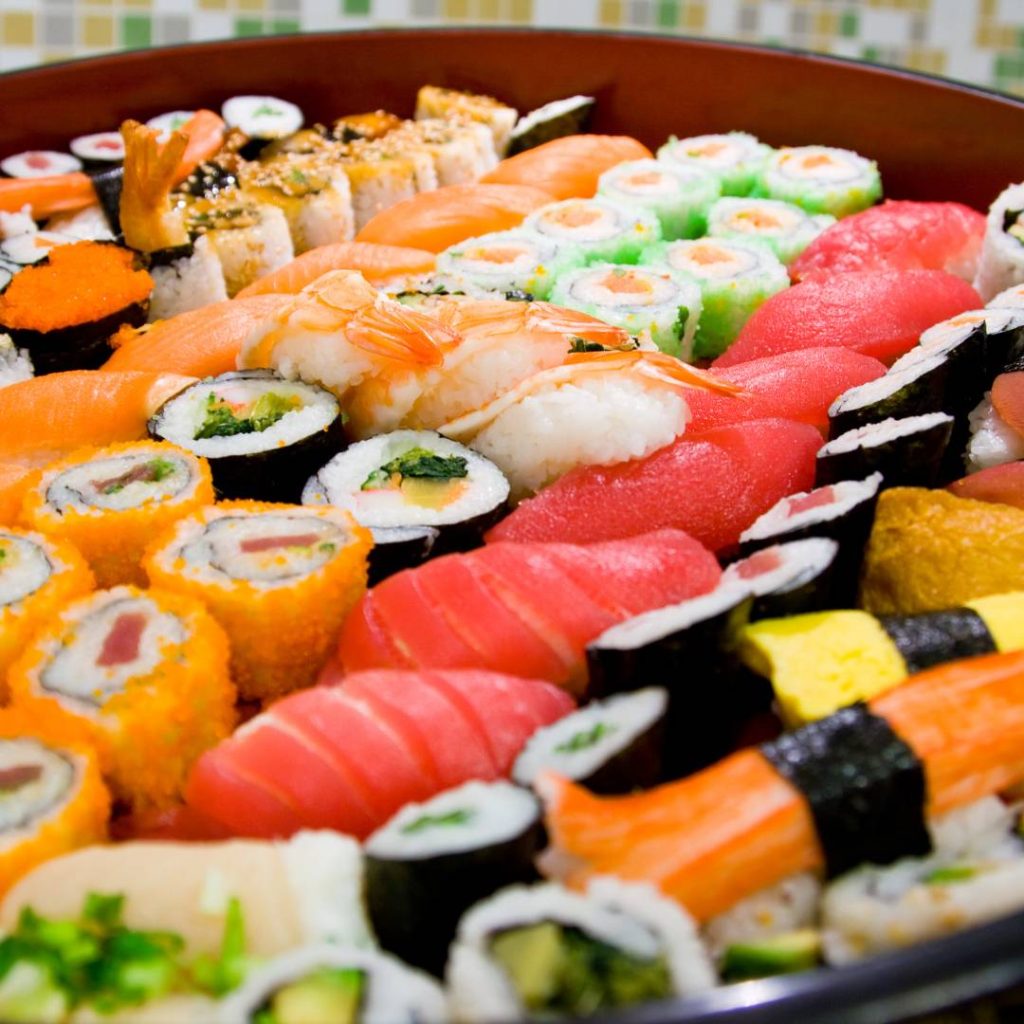
Sushi Party Planning: How Much Should You Order?
Order 2.5–3 rolls per person when sushi is the main dish, or 2–2.5 rolls per person if side dishes are served. Variety matters more than quantity — aim for 60% classic rolls, 30% specialty options, and 10% vegetarian choices to minimize waste while maximizing guest satisfaction.
How Many Sushi Rolls to Order
When it comes to sushi rolls, the amount you need per person can vary depending on a few factors. As a general rule, it’s best to order at least 3 rolls per person if sushi is your main dish. However, if you’re serving other dishes or sides, you can reduce the number of rolls you order.
If you’re serving unique flavors or premium seafood, keep in mind that some sushi lovers may eat more than others. Additionally, if you’re having a buffet-style sushi party, you may need to order more rolls to accommodate guests who go back for seconds.
Avoiding Leftovers
While it’s better to have more sushi rolls than not enough, you don’t want to end up with a lot of leftovers that go to waste. To avoid waste, consider these factors when ordering:
- The number of guests: Make sure you have an accurate headcount before ordering sushi rolls.
- Dietary restrictions: If you have guests with dietary restrictions, such as vegetarians or those who don’t eat seafood, you may need to order more vegetables or California rolls.
- Other dishes: If you’re serving other dishes or sides, you can reduce the number of sushi rolls you order.
- Sushi rice: Keep in mind that sushi rice can be filling, so you may not need as many rolls if you’re serving larger portions of rice.
By considering these factors, you can order the right amount of sushi rolls to avoid waste and ensure your guests are satisfied.
Sushi Serving Size Chart
Use this handy reference chart to quickly figure out how many sushi rolls you need based on the number of guests and appetite level:
| Number of Guests | Light Eaters (2 rolls each) | Average Appetite (3 rolls each) | Big Appetites (4-5 rolls each) |
|---|---|---|---|
| 2 people | 4 rolls | 6 rolls | 8-10 rolls |
| 4 people | 8 rolls | 12 rolls | 16-20 rolls |
| 6 people | 12 rolls | 18 rolls | 24-30 rolls |
| 8 people | 16 rolls | 24 rolls | 32-40 rolls |
| 10 people | 20 rolls | 30 rolls | 40-50 rolls |
| 15 people | 30 rolls | 45 rolls | 60-75 rolls |
| 20 people | 40 rolls | 60 rolls | 80-100 rolls |
Keep in mind that each standard maki roll is cut into 6 to 8 pieces. So when we say “3 rolls per person,” that means 18 to 24 individual pieces of sushi. If you’re serving side dishes like edamame, miso soup, or tempura, you can lean toward the lower end of the range. If sushi is the only food being served, plan for the higher end.
Sushi for Different Occasions
Portion planning varies by occasion type. The type of event — whether intimate dinner, social gathering, or large catering — determines ideal roll-per-person calculations and roll variety ratios.
Casual Dinner for Two
For a casual dinner at home, plan for 3 to 4 rolls per person if sushi is the main course — that’s 6–8 total rolls for both of you. Order a variety — one or two classic rolls (like California or spicy tuna) plus one specialty roll each. Add a bowl of miso soup and a small salad to round out the meal without over-ordering sushi.
Sushi Party (6–12 Guests)
For a sushi party, order 2.5 to 3 rolls per person and include plenty of variety — that’s approximately 15–36 total rolls depending on group size. A good ratio is about 60% classic rolls (California, spicy tuna, cucumber), 30% specialty or premium rolls (specialty combinations, premium fish), and 10% vegetarian options (vegetable rolls, avocado rolls) to accommodate different preferences. Have appetizers like edamame, gyoza, or seaweed salad available to fill the gaps. This approach prevents waste while keeping everyone satisfied.
Large Event or Catering (20+ Guests)
For large gatherings, plan for 2 to 2.5 rolls per person since there are usually other foods available — that’s 40–50+ rolls for 20 guests. Many catering sushi platters come in standard sizes: a small platter (4–5 rolls, serves 3–4), medium platter (6–8 rolls, serves 5–7), and large platter (10–12 rolls, serves 8–10). Order a mix of platters to accommodate your guest count, and always round up rather than down. Pair sushi with side dishes, appetizers, and desserts to create a complete catering menu.
Frequently Asked Questions
How many pieces of sushi are in one roll?
A standard maki roll is typically cut into 6 to 8 pieces. Thicker rolls like futomaki are usually cut into 6 pieces, while thinner hosomaki rolls may be cut into 6 to 8. Hand rolls (temaki) are a single cone-shaped piece per serving. When ordering nigiri sushi, it’s usually served in pairs (2 pieces per order). So if someone says they can eat “3 rolls,” that translates to roughly 18 to 24 individual pieces of sushi.
Is sushi enough for a full meal or do I need side dishes?
Sushi can absolutely be a full meal on its own. Three to four rolls per person (roughly 20 to 30 pieces) is typically enough for a satisfying dinner. However, adding side dishes like miso soup, edamame, a green salad, or tempura makes the meal feel more complete and lets you order slightly fewer rolls. If you’re on a budget, adding filling sides is a smart way to stretch your sushi further while still having a great meal.
How many sushi rolls should I order for kids?
Children typically eat about half as much sushi as adults. Plan for 1 to 1.5 rolls per child (6 to 12 pieces). Stick to mild, familiar options like cucumber rolls, California rolls, or tamago (egg) nigiri. Many kids are cautious with raw fish, so cooked options like shrimp tempura rolls or eel rolls tend to be more popular with younger diners.
What’s the most cost-effective way to order sushi for a group?
The most cost-effective approach is to order sushi platters or party trays rather than individual rolls. Most restaurants offer discounted platter pricing. Mix in affordable classic rolls (California, veggie, spicy tuna) with a few premium rolls as highlights. Adding appetizers like edamame and miso soup is cheaper than extra rolls and helps fill up guests. If you’re making sushi at home for a party, buying ingredients in bulk from an Asian grocery store can reduce costs significantly — a sushi-making party where guests roll their own is both fun and budget-friendly.
Can I make ahead and freeze sushi for a party?
Sushi is best consumed fresh (within 24 hours of preparation), and freezing is not recommended for most sushi types. Raw fish sushi loses quality when frozen due to ice crystal formation damaging cell structure. However, cooked sushi rolls (like California rolls with imitation crab or tempura rolls) can be refrigerated for up to 24 hours in an airtight container. For parties, it’s best to order sushi freshly made the day of the event or have a sushi-making station where rolls are assembled just before serving.