Kombu vs Kelp (5 Facts For Your Next Delicious Culinary Adventure)
Are you curious about kombu vs kelp? Look no further!
This article will dive into the flavor profile, nutritional composition, culinary uses, health benefits, and sustainability of these seaweed varieties.
Last updated: April 2026

Discover how kombu vs kelp differ in taste, their unique nutritional properties, and how they can be used in various dishes.
Learn about the environmental impact of harvesting these seaweeds and make informed choices for your next culinary adventure.
Kombu vs Kelp: Quick Reference
| Kombu | Kelp | |
|---|---|---|
| Taxonomy | Saccharina japonica and related spp. | Multiple species, order Laminariales |
| Primary origin | Hokkaido, Japan | Global — Pacific, Atlantic, Arctic |
| Flavor | Rich, deep umami with brininess | Mild, oceanic, slightly sweet |
| Key nutrients | Glutamate, calcium, iodine | Iodine, potassium, fucoidan |
| Main culinary role | Dashi base, stews, bean tenderizer | Salads, noodles, wraps, supplements |
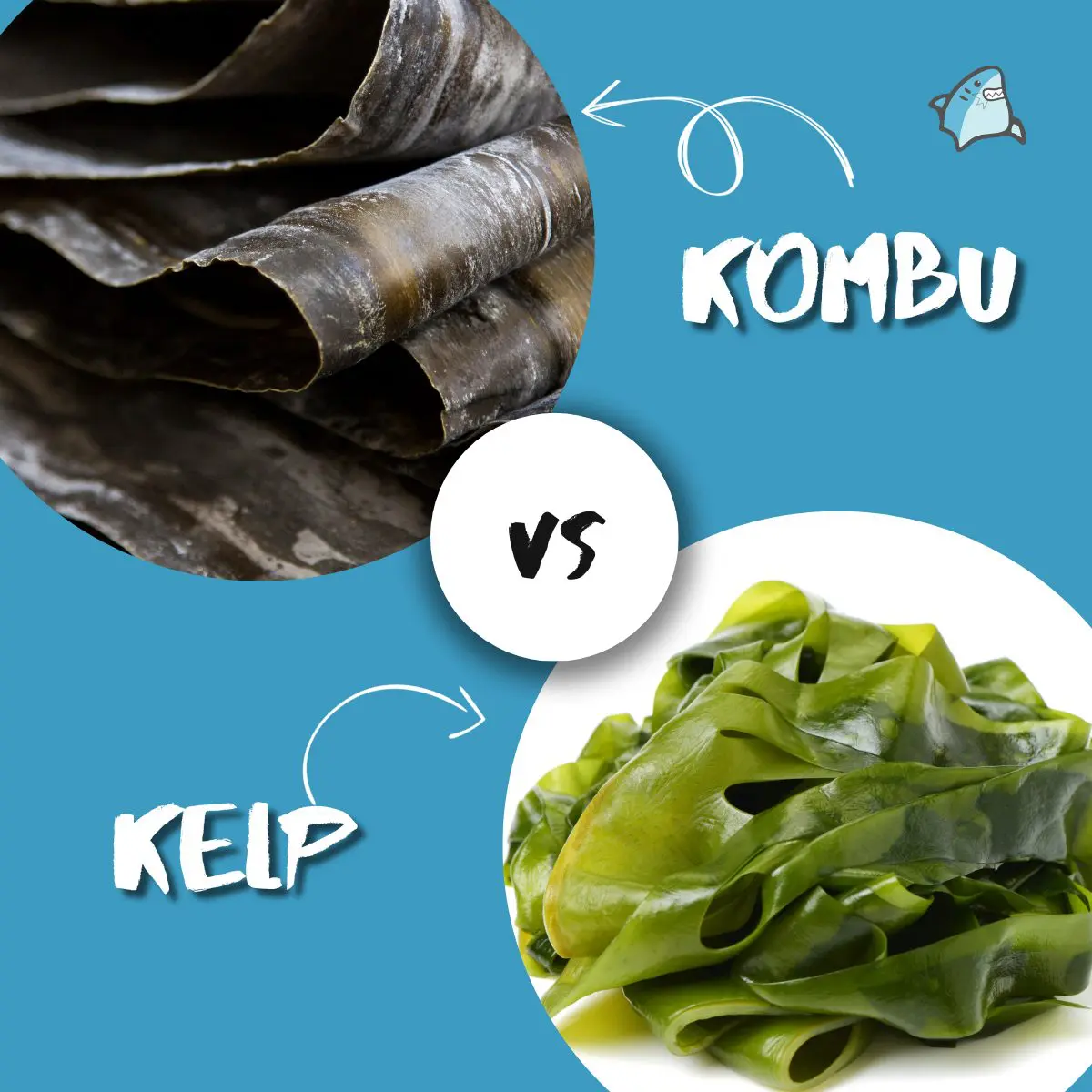
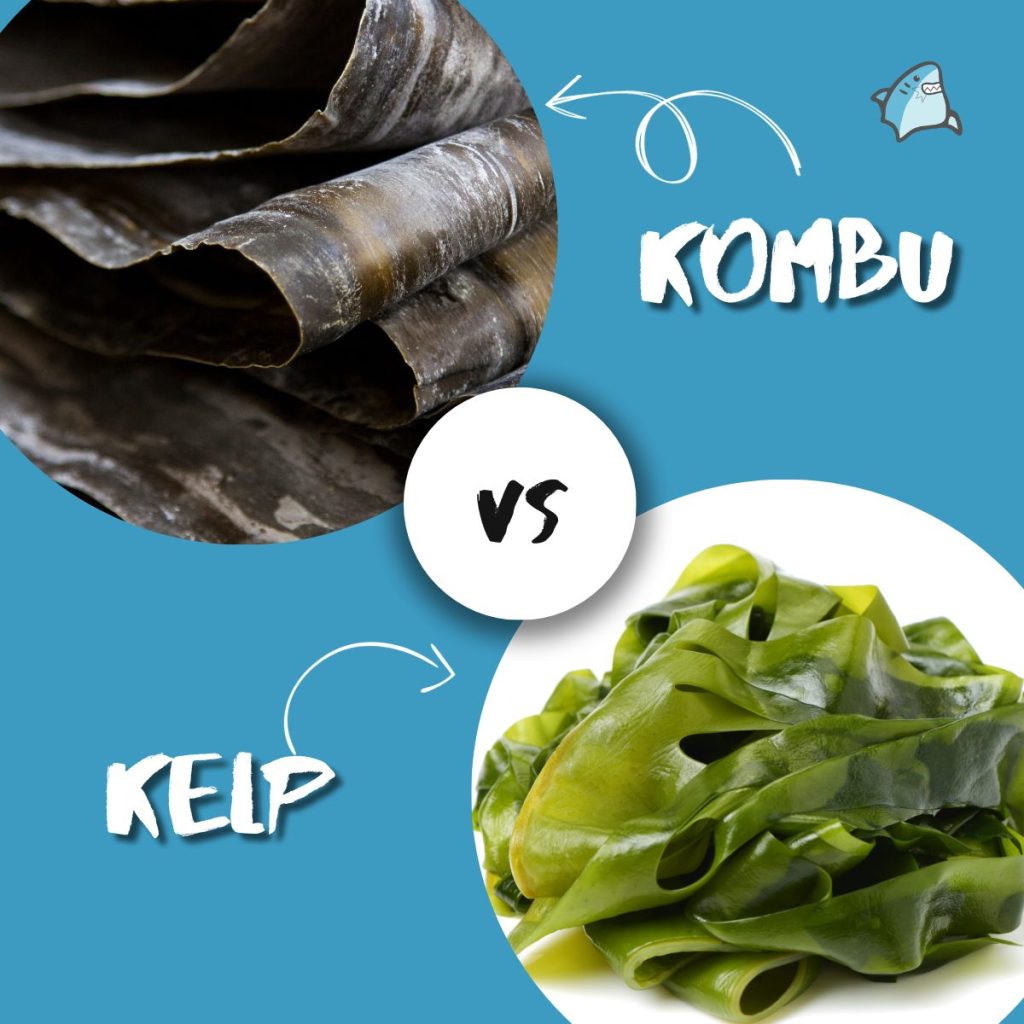
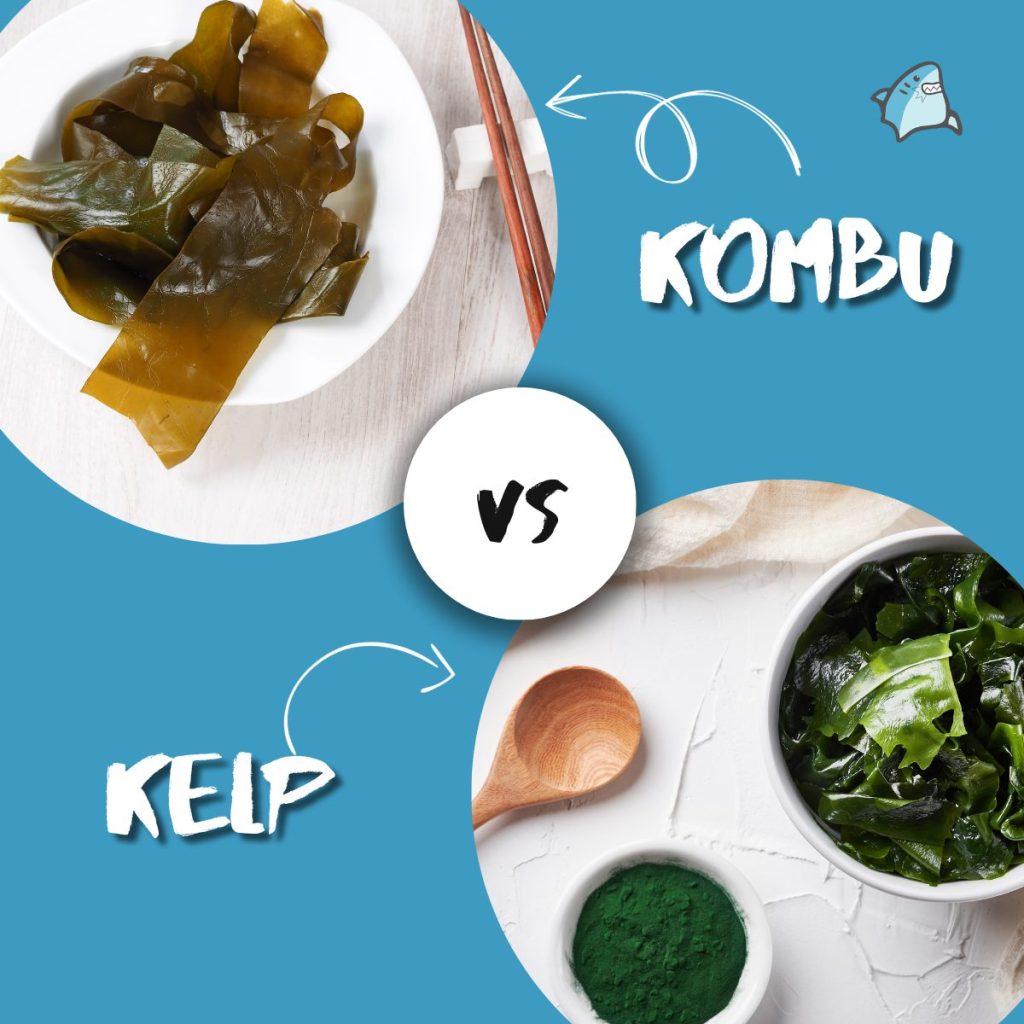
| Texture | Thick, leathery (dried); gelatinous (soaked) | Thinner, more tender depending on species |
| Sustainability | Predominantly aquacultured in Japan | Wild-harvested and farmed; varies by region |
Key Takeaways
- Kombu — a cultivated Japanese brown algae (Saccharina japonica and relatives) — delivers a rich, deep umami flavor; kelp (a broad umbrella covering 30+ brown seaweed species worldwide) has a much milder, delicate oceanic taste.
- Both kombu and kelp are low in calories and excellent sources of dietary fiber, making them nutrient-dense additions to a balanced diet.
- Kombu stands out for its very high free glutamate, calcium, and iron content; kelp is particularly abundant in iodine, potassium, and the bioactive compound fucoidan.
- Kombu is the cornerstone of Japanese dashi broth; kelp spans global cuisines — used in salads, noodles, wraps, and dietary supplements.
- Both seaweeds are considered environmentally sustainable: they grow rapidly without fertilizer, absorb excess ocean nutrients, and are increasingly aquacultured to reduce pressure on wild stocks.
Kombu vs Kelp: Flavor Profile
Kombu delivers a rich, deeply savory umami flavor with sweet-briny undertones, while kelp tastes milder and more delicately oceanic. The difference is largely driven by free glutamate concentration — kombu contains exceptionally high levels of free glutamic acid (the compound behind umami), whereas most non-Japanese kelp varieties have comparatively little.

Kombu — a brown algae in the genus Saccharina, cultivated primarily along the Hokkaido coast of Japan — has a rich and savory taste. It has a unique umami flavor that adds depth and complexity to dishes. Kombu also has a slightly sweet and briny undertone, which enhances the overall taste experience. Best for: Japanese dashi broths, simmered stews, and any recipe where a deep, foundational umami base is required.
Kelp — the broad category encompassing over 30 brown algae species in the order Laminariales, found in oceans from the Pacific to the Atlantic and Arctic — has a milder flavor than kombu. It has a subtle oceanic taste with hints of sweetness and a slight mineral-like quality. Kelp’s flavor is often described as delicate and refreshing, making it a popular addition to salads and seafood dishes. Best for: fresh salads, light soups, sushi wraps, and dishes where a gentle ocean note is preferred over bold umami.
Whether you prefer kombu’s robustness or kelp’s subtlety, both seaweeds offer a unique and enjoyable flavor experience. For a deeper dive into how kombu compares with another seaweed, consider our kombu comparison.
Kombu vs Kelp: Species Identification
Kombu is a specific type of kelp — not a separate organism — which means the two terms are not parallel categories. The distinction matters when you’re buying or cooking with either: all kombu is kelp, but most kelp sold outside Japanese markets is not kombu and will not behave the same way in dashi.
Kombu refers to a handful of brown algae species in the genus Saccharina (formerly classified under Laminaria), cultivated primarily in Japan. The main culinary species are: explore more edible seaweeds to understand the broader range of options available beyond kombu.
- Saccharina japonica (ma-kombu) — the most widely grown variety. Best for: everyday cooking, tsukudani (a simmered seaweed condiment), and general-purpose dashi.
- Saccharina ochotensis (rishiri kombu) — prized for its delicate, crystal-clear dashi; harvested on Rishiri Island off northern Hokkaido, generally considered the premium grade for clear soup stocks. Best for: refined, transparent stock and high-end Japanese kaiseki cuisine.
- Saccharina sculpera (rausu kombu) — richer and more intensely flavored. Best for: robust, full-bodied broths and deeply savory simmered dishes.
Kelp, by contrast, is a broad term encompassing over 30 species from the order Laminariales. This includes:
- Macrocystis pyrifera (giant kelp) — off the California coast, forming some of the world’s largest underwater kelp forests. Best for: commercial alginates, dietary supplements, and large-scale harvesting.
- Nereocystis luetkeana (bull kelp) — Pacific Northwest. Best for: artisan pickles, fresh salads, and specialty seaweed products.
- Laminaria digitata — harvested along Norway, Iceland, and Ireland, where seaweed farming has grown significantly. Best for: European seaweed food products, kelp meal, and supplement manufacturing.
Because “kelp” covers so many species, the flavor, nutrient density, and texture can vary considerably depending on what you purchase. When a supplement or recipe calls for “kelp,” the species behind the label matters more than most people realize.
Kombu vs Kelp: Nutritional Composition
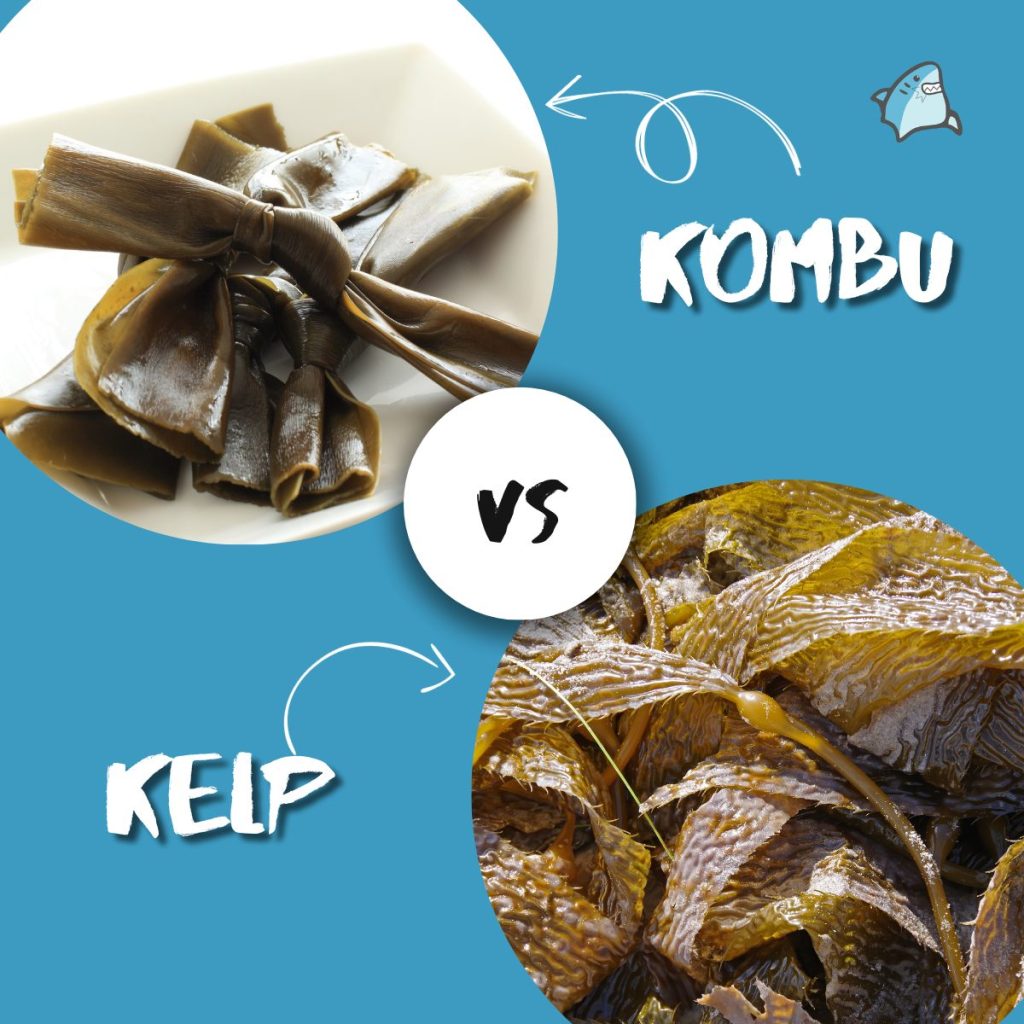
Both kombu and kelp are low in calories and rich in key minerals, but they differ meaningfully in free glutamate concentration, calcium levels, and bioactive compound profiles. According to the U.S. Department of Agriculture (2024, USDA FoodData Central), seaweeds are among the most mineral-dense whole foods by weight, delivering significant nutritional value with minimal caloric load.
Here are three key aspects to consider:
1. Macronutrients
Kombu and kelp are both low in calories, making them suitable for those watching their caloric intake. They are also excellent sources of dietary fiber, aiding digestion and promoting a healthy gut.

2. Micronutrients
These seaweeds are rich in essential minerals such as iodine, potassium, calcium, and iron. Iodine, particularly concentrated in kelp, supports thyroid function and metabolism regulation. Calcium and iron — present in higher concentrations in kombu — contribute to bone strength and red blood cell production.
3. Antioxidants
Kombu and kelp contain various antioxidants, including vitamins C and E, which help protect against oxidative stress and harmful free radicals. Kelp is also a notable source of fucoidan — a sulfated polysaccharide that has attracted interest in nutritional research for its potential bioactive properties.
Kombu vs Kelp: Nutritional Comparison at a Glance
| Nutrient / Property | Kombu | Kelp (general) |
|---|---|---|
| Calories (per 100g dry) | Low (~45 kcal) | Low (~43 kcal) |
| Dietary fiber | High | High |
| Free glutamate (umami compound) | Very high | Low to moderate |
| Iodine | Very high (species-dependent) | Very high (species-dependent) |
| Calcium | High | Moderate |
| Iron | High | Moderate |
| Potassium | Moderate | High |
| Fucoidan | Present | Present (notably high in some spp.) |
| Vitamins C & E | Present | Present |
| Vitamin K & B vitamins | Present | Present |
Kombu vs Kelp: Harvesting Regions
Where these seaweeds are grown directly shapes their flavor, nutrition, and quality — and explains why Japanese kombu commands a premium over generic kelp sold in health food stores.
Where Kombu Comes From
About 90% of Japan’s cultivated kombu comes from Hokkaido, the northernmost island. The cold, nutrient-rich waters of the Sea of Japan and the Tsugaru Strait drive the high glutamate content that gives kombu its signature umami. Three regions produce distinct kombu varieties:
- Rishiri Island — prized for transparent, refined dashi stocks. Best for: clear soups and delicate Japanese cooking. Generally considered the premium grade.
- Rausu coast — a richer, more robustly flavored kombu. Best for: full-bodied broths and hearty simmered dishes.
- Hidaka area — highest production volume, the most widely available variety. Best for: everyday cooking, tsukudani, and budget-friendly dashi.
Wild kombu is still harvested by traditional divers along coastal Hokkaido, though aquaculture now dominates commercial supply.
Where Kelp Comes From
Kelp grows across far more diverse geography. In North America, giant kelp forests thrive in cold Pacific waters from Baja California through Alaska — California’s kelp forests once stretched for miles and are the subject of ongoing restoration efforts. Atlantic varieties are harvested commercially along the Norwegian coast, Iceland, and Ireland, where seaweed farming has grown significantly. In East Asia, Korean dasima — a kelp species closely related to Japanese kombu — is harvested in the Yellow Sea and Sea of Japan. Best for buyers to note: the diversity of sources means quality and iodine levels can vary widely — worth checking carefully when purchasing kelp supplements or dried kelp in bulk.
Kombu vs Kelp: Culinary Uses
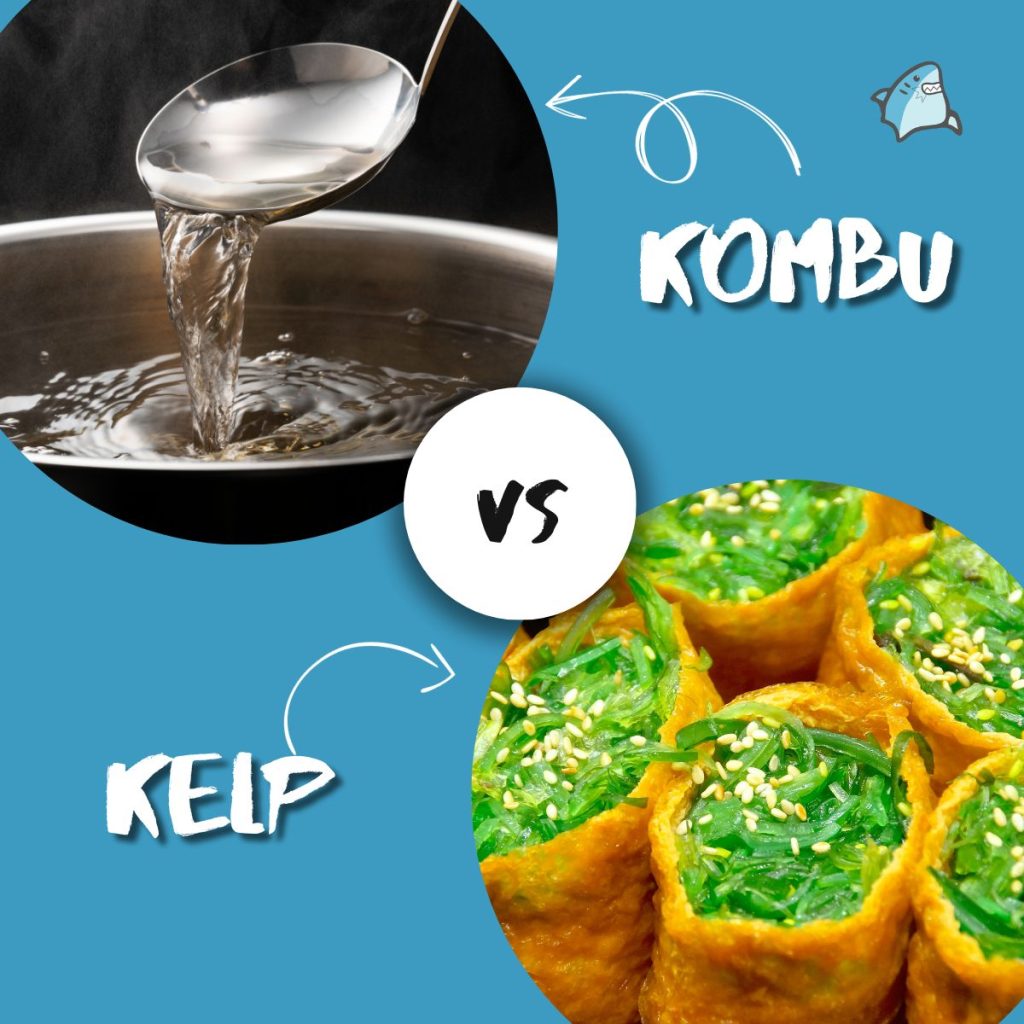
Kombu is the essential base for Japanese dashi broth, while kelp is more versatile across global cuisines — appearing in salads, noodles, wraps, and dietary supplements. Both seaweeds enhance the nutritional profile and flavor of dishes, but they excel in different culinary contexts.
With its strong umami flavor, kombu is commonly used in Japanese cuisine to make dashi, a broth that forms the base of many dishes. It can also be added to stews, soups, and sauces to impart its unique taste. Kombu can tenderize beans and lentils, making them easier to digest. Best for: dashi, miso soup, ramen bases, and cooking dried legumes.
Kelp is often used in salads, as its mild, slightly sweet flavor pairs well with fresh vegetables. It can also be used as a wrap for sushi, adding a subtle oceanic taste. Additionally, kelp can be used to make kelp noodles — a gluten-free alternative to traditional pasta. Best for: raw salads, cold noodle dishes, sushi wraps, and anyone seeking a gluten-free noodle substitute.
The versatility of both kombu and kelp makes them valuable ingredients in a wide range of culinary creations.
Kombu vs Kelp: Health Benefits
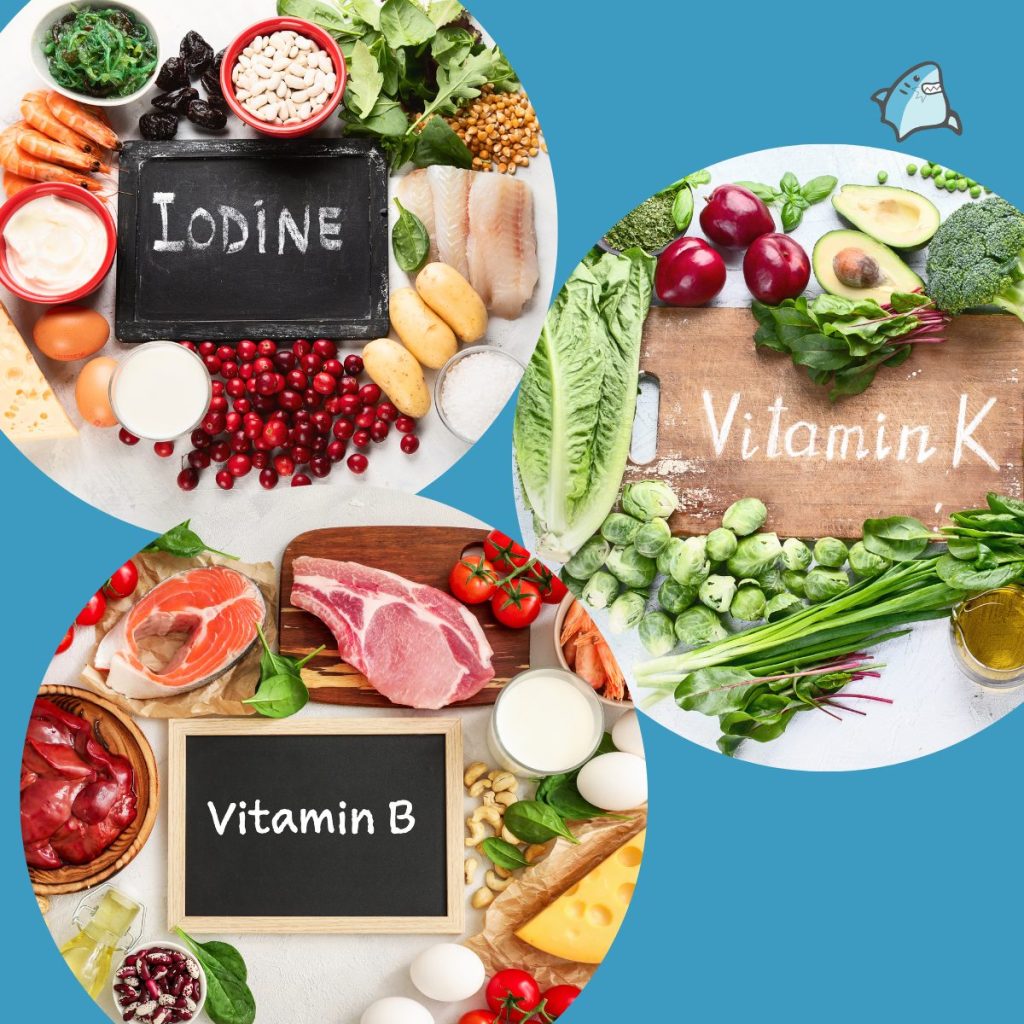
Both kombu and kelp are nutrient-dense whole foods that provide iodine, essential vitamins, dietary minerals, and antioxidants as part of a varied diet. The specific nutritional strengths of each differ — kombu leads in free glutamate, calcium, and iron, while kelp offers high potassium and notable fucoidan content.
Rich in iodine
Kombu and kelp are both excellent dietary sources of iodine — a mineral that plays an important role in thyroid gland function, including hormone synthesis and metabolism regulation. Because iodine levels can vary significantly by species and harvest location (U.S. Department of Agriculture, 2024, USDA FoodData Central), it is worth being mindful of portion sizes, particularly with kombu, where some varieties can deliver very high amounts in a single serving.
High in vitamins and minerals
Kombu and kelp are packed with essential vitamins and minerals including vitamin K, B vitamins, calcium, iron, and magnesium. These nutrients contribute to bone health, blood clotting, energy production, and support various bodily functions.

Potential anti-inflammatory properties
Studies suggest that the bioactive compounds in kombu and kelp — such as fucoidan, a sulfated polysaccharide found in brown algae — may possess anti-inflammatory properties. These compounds have shown promising potential in preliminary research related to reducing inflammation and oxidative stress.
Including kombu and kelp as part of a balanced, varied diet can contribute a meaningful range of vitamins, minerals, and bioactive compounds.
Kombu vs Kelp: Sustainability and Environmental Impact

Both kombu and kelp rank among the most environmentally sustainable food sources available — they grow rapidly without fertilizer, absorb excess ocean nutrients, and require minimal land or freshwater resources. That said, their cultivation and harvesting practices differ, and sustainability can vary by region and sourcing method.
Kelp cultivation often involves using ropes or buoys to grow the plants in offshore arrays, which helps minimize damage to the ocean floor. Kombu is typically harvested by hand in Japan — either by traditional coastal divers or from aquaculture lines — ensuring minimal disruption to the marine ecosystem. Additionally, both kombu and kelp absorb excess nutrients from the surrounding water, helping to improve water quality and reduce the risk of harmful algal blooms.
Both seaweeds grow quickly and require few inputs to cultivate, making them highly sustainable options for food production. Kombu production in Japan is almost entirely aquacultured, offering a consistent and traceable supply chain. Kelp sourcing is more variable — look for products certified by recognized sustainability bodies when purchasing kelp in bulk or supplement form.
Frequently Asked Questions
Is kombu the same as kelp?
Not exactly. Kombu is a specific type of kelp — usually Saccharina japonica or closely related species — cultivated in Japan and central to Japanese cuisine. “Kelp” is the broader category covering dozens of brown seaweed species worldwide. All kombu is technically kelp, but most kelp sold outside Japanese markets is not kombu and won’t perform the same way in dashi.
Can I substitute kelp for kombu in dashi?
You can, but the result will be noticeably different. Kombu’s high free glutamate content is what creates dashi’s distinctive umami depth. Generic dried kelp from health food stores typically lacks this concentration. For authentic Japanese dashi, use Japanese kombu specifically — the regional variety (rishiri, rausu, or ma-kombu) matters less than using genuine Saccharina japonica rather than a different kelp species.
Which has more iodine — kombu or kelp?
Both are very high in iodine, but levels vary significantly by species and harvest source. Some kombu varieties can deliver very large amounts in a single serving. Kelp supplements can be similarly variable in potency. Both should be consumed in moderation — particularly by anyone with thyroid conditions or iodine sensitivity. If you eat large amounts of either regularly, consult a qualified healthcare provider.
Where can I buy Japanese kombu?
Look for it at Japanese or Korean grocery stores (Mitsuwa, H Mart, Marukai) or reputable online retailers. Dried kombu is sold in sealed packages, often labeled by regional variety — rishiri, rausu, or ma-kombu. Avoid anything labeled only as “dried seaweed” without species or regional identification, as quality and glutamate content will be unpredictable.
What is the white powder on dried kombu?
The white powder on dried kombu is mannitol — a naturally occurring sugar alcohol that forms on the surface as the kombu dries. It is a sign of quality and a significant contributor to kombu’s characteristic mild sweetness. Do not rinse it off before making dashi; simply wipe the surface gently with a damp cloth if needed to remove any debris.