Miso Paste vs Soybean Paste: Key Differences, Flavor, and When to Substitute
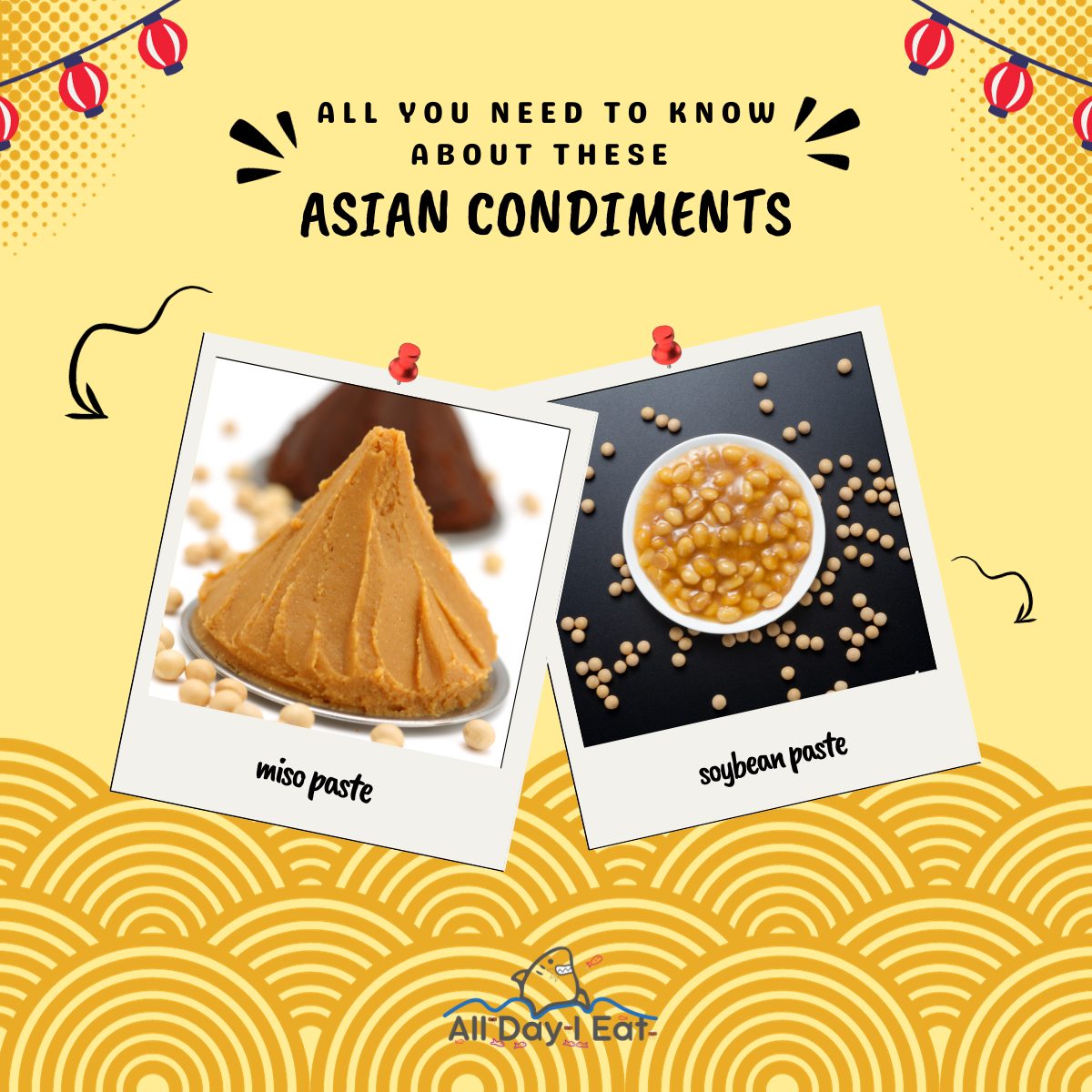
Miso paste and soybean paste are both fermented soybean products, and they look similar enough in the jar that cooks often wonder if they’re interchangeable. The short answer: they’re related but distinct — different fermentation methods, different flavor profiles, and different culinary traditions. Using one where the other belongs will noticeably change your dish.
This guide covers both products in depth: what they are, how they’re made, how they taste, how they’re used, and when you can substitute one for the other.
What Is Miso Paste?
Miso (味噌) is a Japanese fermented paste made primarily from soybeans, a grain (usually rice or barley), salt, and koji — the mold Aspergillus oryzae that drives fermentation. The koji breaks down starches in the grain and proteins in the soybeans, producing a deeply savory paste with complex umami, sweetness, and varying degrees of saltiness depending on the type.
Miso has been central to Japanese cuisine since at least the 7th century, when Buddhist monks brought fermentation techniques from China. Over centuries, regional Japanese varieties developed based on local grain preferences, climate, and taste traditions.
Types of Miso
| Type | Japanese Name | Color | Fermentation Time | Flavor | Best Uses |
|---|---|---|---|---|---|
| White miso | Shiro miso (白味噌) | Pale yellow | Days to weeks | Sweet, mild, lightly salty | Salad dressings, light soups, marinades, glazes |
| Yellow miso | Shinshu miso | Golden yellow | Months | Balanced, medium umami, versatile | All-purpose — soups, stews, marinades |
| Red miso | Aka miso (赤味噌) | Dark reddish-brown | 1–3 years | Intense, robust, salty, complex | Hearty soups, braises, bold sauces |
| Mixed miso | Awase miso (合わせ味噌) | Medium brown | Varies | Balanced blend of types | Everyday miso soup, general cooking |
| Barley miso | Mugi miso (麦味噌) | Light to medium brown | 1–2 years | Earthy, slightly sweet, rustic | Western Japan cuisine, hearty dishes |
The color difference comes from the Maillard reaction during fermentation — longer fermentation equals darker color and deeper flavor. White miso is mild enough to use in desserts and dressings; red miso can overpower delicate ingredients and is reserved for bold applications.
What Is Soybean Paste?
The term “soybean paste” most commonly refers to Korean doenjang (된장), though several Asian fermented soybean pastes fall under this general description. Doenjang is made from soybeans and salt only — no grain, no koji in the traditional method. The soybeans are boiled, formed into blocks called meju, fermented outdoors for months (developing naturally occurring bacteria and molds), then mixed with brine and aged further.
The result of this double-fermentation process is a paste with a fundamentally different character from miso: stronger, more pungent, funkier, with a rougher texture and more assertive flavor. Where miso is smooth and rounded, doenjang has edges.
Other Soybean Pastes in Asian Cooking
Beyond Korean doenjang, other soybean pastes appear across Asian cooking:
- Tianmian sauce (甜面酱) — Chinese sweet bean paste made from wheat flour and soybeans; used in Peking duck and dan dan noodles
- Doubanjiang (豆瓣酱) — Sichuan fermented bean and chili paste; fiery, umami-rich, essential in mapo tofu
- Tauco / Tauco — Indonesian/Malaysian fermented soybean paste; used in stir-fries and sambal
- Hatcho miso — technically miso but made with soybeans only (no grain), aged 2–3 years; sometimes grouped with soybean pastes for its intensity
Miso vs Doenjang: Key Differences
| Factor | Miso (Japanese) | Doenjang (Korean) |
|---|---|---|
| Base ingredients | Soybeans + grain (rice/barley) + koji + salt | Soybeans + salt only (traditional) |
| Fermentation agent | Koji (Aspergillus oryzae) — controlled | Naturally occurring molds/bacteria on meju blocks |
| Texture | Smooth, uniform paste | Coarser, chunkier, more rustic |
| Flavor | Umami-rich, sweet-salty balance, rounded | Stronger, pungent, earthy, funkier |
| Aroma | Pleasant, savory-sweet | More assertive, fermented, stronger |
| Sodium content | ~600–1000mg per tablespoon | ~700–1000mg per tablespoon (similar range) |
| Cuisine origin | Japanese | Korean |
| Typical fermentation | Weeks to 3 years (type-dependent) | Months to years |
Flavor Profile Comparison
The most practical difference is taste. Miso, especially white and yellow varieties, has a harmonious flavor — the koji fermentation produces glutamates (umami) alongside some sweetness, with saltiness that integrates rather than dominates. You can add miso to a dish and have it blend in, enhancing without announcing itself.
Doenjang is bolder. The natural fermentation produces more complex byproducts — the flavors include deep umami but also more pungent, fermented notes. In Korean cooking this intensity is the point: doenjang jjigae (soybean paste stew) is meant to be robustly flavored. In Japanese cooking, the more controlled koji fermentation produces a result better suited to delicate applications like miso soup with tofu and wakame.
Culinary Uses
How Miso Is Used
- Miso soup (miso shiru) — the daily staple; typically awase or white miso dissolved in dashi broth
- Marinades — miso + mirin + sake for fish, chicken, or eggplant; the sugars caramelize beautifully
- Glazes — white miso + butter is a finishing glaze for fish, vegetables, mushrooms
- Ramen broth — miso ramen uses red or awase miso blended into pork or chicken broth
- Dressings — white miso mixed with rice vinegar, sesame oil, ginger for salad dressing
- Braises and stews — red miso adds depth to long-cooked dishes (miso-braised pork belly, tonjiru)
- Baked goods — white miso in cookies, caramel, and butterscotch for a subtle salty-savory depth
How Doenjang Is Used
- Doenjang jjigae — the quintessential Korean soybean paste stew with tofu, zucchini, mushrooms
- Ssamjang — mixed with gochujang for the lettuce wrap dipping sauce served with Korean BBQ
- Marinades — for galbi (short ribs), pork belly, beef
- Soups and broths — added to kimchi jjigae and kongnamul guk (bean sprout soup) for depth
- Dipping sauce — mixed with sesame oil, garlic, green onion as a banchan accompaniment
- Cucumber muchim — cold cucumber salad with doenjang dressing
Can You Substitute One for the Other?
In a pinch, yes — with caveats. The substitution works better in some directions than others.
Using miso in place of doenjang: Use red miso (aka miso) for the closest flavor match. White or yellow miso will be too mild and sweet for dishes that expect doenjang’s assertiveness. Expect a milder, less pungent result — sometimes preferable if you find doenjang too strong, but not authentic.
Using doenjang in place of miso: Start with half the amount the recipe calls for — doenjang is more intense. Taste as you go. It works reasonably in soups and stews but will add more pungency than miso would. Avoid in delicate applications (light miso soup, desserts, glazes) where the stronger flavor is unwelcome.
For Japanese recipes specifically designed around miso (miso ramen, dengaku, miso cod), substituting doenjang will produce a noticeably different and less authentic result. Use the right product when it matters.
Health Benefits
Both miso and doenjang are fermented foods with documented nutritional value. They share several properties:
The sodium content is meaningful — both products are salty condiments, and large amounts contribute significantly to daily sodium intake. Use as a flavor enhancer rather than a base ingredient.
Storage and Shelf Life
Both miso and doenjang keep well refrigerated after opening:
- Miso: Refrigerate after opening; lasts 3–6 months for light types, up to a year for red/aged miso. Press plastic wrap directly against the surface to prevent oxidation. Freezes well (texture is maintained).
- Doenjang: Refrigerate after opening; lasts 3–6 months. The strong aroma intensifies over time. Keep sealed — the smell can permeate other foods in the refrigerator.
Which Should You Buy?
If you cook Japanese food: buy miso. Start with white or yellow (awase) miso for versatility — add red miso once you want to explore richer applications.
If you cook Korean food: buy doenjang. It’s not a one-to-one swap for miso in Korean dishes — recipes are calibrated for doenjang’s intensity.
If you cook both: keep one of each. They’re different enough that having both is worthwhile, and both last long enough in the refrigerator that this doesn’t create waste.
Frequently Asked Questions
Is doenjang the same as miso?
No. Both are fermented soybean pastes, but they use different fermentation processes, different ingredients, and produce noticeably different flavors. Doenjang uses only soybeans and salt with natural fermentation; miso uses soybeans with grain and koji mold in a controlled process. Doenjang is stronger and more pungent; miso is more rounded and mild (especially white varieties).
Can I use doenjang in miso soup?
Yes, but the result will be significantly different — stronger, more pungent, less sweet. Use about half the amount of doenjang that the recipe calls for in miso. This is sometimes called “doenjang guk” in Korean cooking rather than miso soup — it’s a legitimate dish in its own right, just not Japanese miso soup.
Which is healthier, miso or doenjang?
Both are nutritionally similar fermented soybean products. Neither is clearly healthier — both provide probiotics, isoflavones, protein, and minerals. Doenjang traditionally undergoes longer, more complex natural fermentation which may produce a somewhat different probiotic profile, but the practical difference for most people is minimal. Focus on using whichever suits your cooking — a condiment you use is more beneficial than one that sits in the refrigerator.
What does miso taste like?
Miso tastes intensely savory (umami) with a saltiness that varies by type and a subtle sweetness — particularly in white miso. It has a fermented depth without being overtly pungent. The flavor is difficult to describe without tasting it: it adds a rounded, lingering savoriness that enhances surrounding flavors rather than dominating.
What does doenjang taste like?
Doenjang tastes stronger than miso — deeper fermented notes, more pungent, earthier, with less sweetness. The aroma is assertive and characteristically “fermented.” In Korean cooking, this intensity is valued rather than tempered. New tasters sometimes find it strong initially; it’s an acquired taste that becomes deeply appealing once your palate acclimates to it.
Is white miso the same as soybean paste?
No. White miso (shiro miso) is a specific type of Japanese miso made with a high ratio of rice koji, fermented briefly — it’s the mildest, sweetest miso type. It contains grain (usually rice) in addition to soybeans and is fermented for days to weeks. Doenjang (soybean paste) uses soybeans and salt only, fermented for months to years. They’re related products from different culinary traditions.