Where Is Miso Paste In The Grocery Store?
Last updated: April 2026
Looking to add some umami flavor to your dishes?
Look no further than your local grocery store for miso paste!
Miso paste — a traditional Japanese fermented condiment made from soybeans, salt, and koji (a mold culture grown on rice, barley, or soybeans) — is a staple in Asian cuisine and can be found in various sections of the store.
Key Takeaways
- Miso paste is most reliably found in the Asian cuisine aisle or international foods section of most mainstream grocery stores.
- Organic and unpasteurized varieties are often stocked in the refrigerated section or health food department.
- There are six main types of miso paste — white, yellow, red, awase, hatcho, and barley — each with different flavor intensities and uses.
- Asian specialty grocery stores (H Mart, Mitsuwa, 99 Ranch) carry the widest selection, often at lower prices than mainstream supermarkets.
- If you’re buying miso paste for the first time, awase (mixed) miso is the most versatile all-purpose choice.
Let’s discover where we can find this amazing condiment.
So, grab your shopping list and embark on a miso paste hunt during your next grocery trip!
Where in the Asian Cuisine Aisle Can You Find Miso Paste?
Miso paste is most reliably found in the Asian cuisine aisle — your first stop when searching any mainstream grocery store. This aisle is typically located towards the back of the store, near the international foods section.
As you make your way down the aisle, you’ll see a wide variety of Asian ingredients and products, including soy sauce, rice vinegar, and noodles.
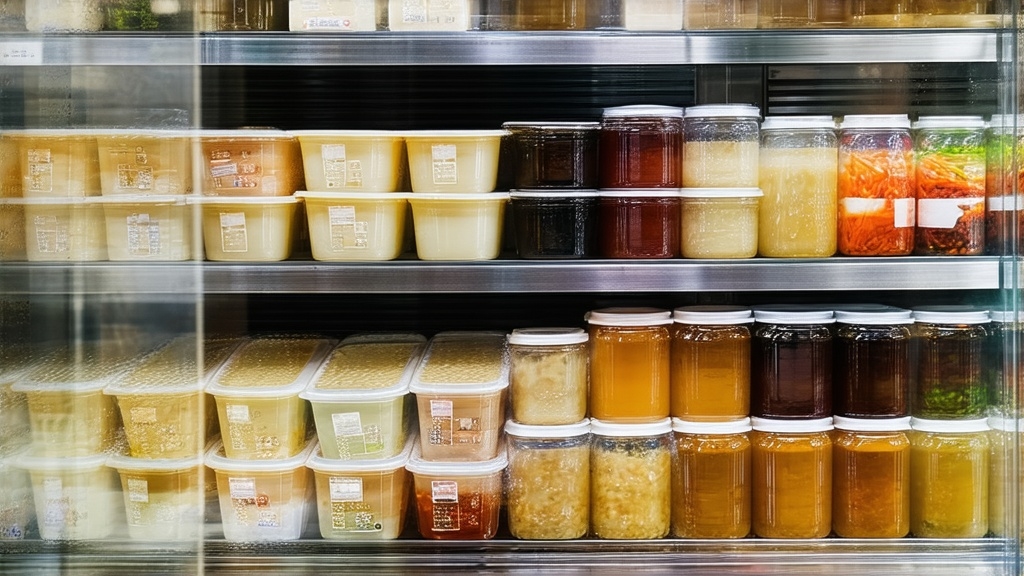
Look for the section that specifically displays Japanese ingredients, as miso paste is a staple in Japanese cooking.
It’s usually packaged in small tubs or jars and comes in different colors, such as white, yellow, or red, each with its own unique flavor profile.
If you’re having trouble finding it, don’t hesitate to ask a store employee for assistance.

Is Miso Paste in the International Foods Section?
Yes — if your store doesn’t have a dedicated Asian cuisine aisle, check the international foods section, where miso paste is typically grouped near other Japanese staples. Located in the international aisle, you’ll find a tantalizing array of flavors from around the world. This section in the grocery store is a treasure trove for adventurous foodies looking to explore new cuisines.
As you navigate through this diverse selection, keep an eye out for the miso paste you’re searching for.
The international foods section typically organizes products by country of origin, so you might need to look for Japanese ingredients specifically.
Don’t worry though, the miso paste is often located near other Japanese staples like soy sauce and rice vinegar.
If you’re having trouble finding it, don’t hesitate to ask a store associate for assistance.
Once you have your miso paste in hand, you’ll be ready to add a rich and savory kick to your Asian-inspired dishes.

Can You Find Miso Paste in the Condiments and Sauces Area?
Some stores do stock miso paste in the condiments and sauces area — look for small tubs or jars labeled “miso” or “soybean paste” on the shelf. In the condiments and sauces area, you’ll discover a wide range of tantalizing flavors to enhance your meals.
And right there, nestled among the shelves, you’ll find miso paste.
This versatile ingredient adds a unique and savory taste to your dishes, whether you’re making traditional Japanese recipes or experimenting with fusion cuisine.
You can find different varieties of miso paste, such as white (best for light soups and dressings), yellow, or red (best for hearty stews and bold marinades), each with its distinct taste and intensity.
So next time you’re in the condiments and sauces area, don’t forget to grab a jar of miso paste and embark on a culinary adventure.

Is Miso Paste Sold in the Health Food or Natural Food Department?
Yes — organic and unpasteurized miso paste varieties are commonly found in the Health Food or Natural Food Department, often kept in the refrigerated section to preserve their live cultures. As you make your way through this section of the grocery store, you may come across the miso paste you’ve been searching for.
Miso paste is commonly found in the Health Food or Natural Food Department due to its naturally fermented properties.
Look for it in the refrigerated section, as it’s often kept chilled to maintain its freshness.
This department is also home to other healthy and organic products, such as gluten-free options, organic produce, and alternative sweeteners.
Don’t forget to take your time and read the labels to ensure you’re making the best choices for your needs.
Is Miso Paste Found in the Refrigerated or Fresh Products Section?
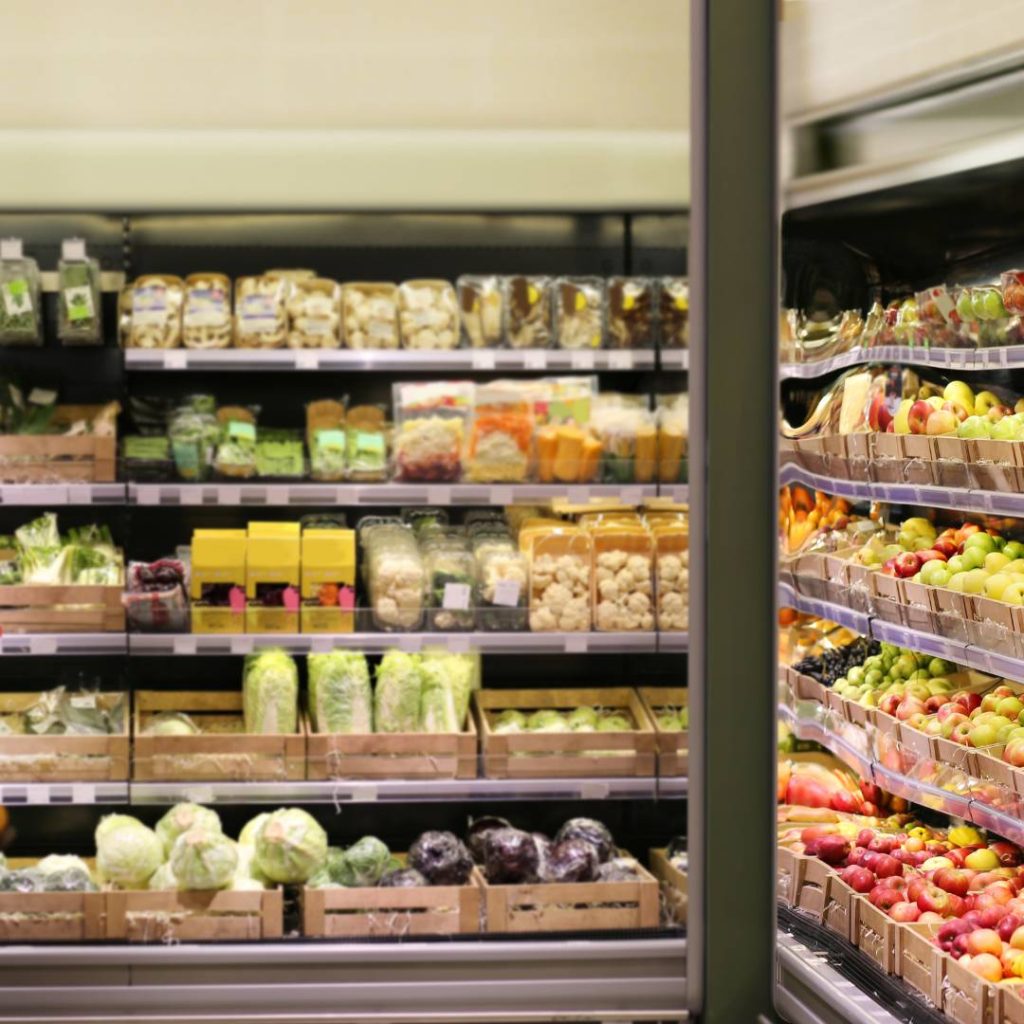
Unpasteurized and organic miso paste varieties are almost always stocked in the refrigerated section — look near other Asian ingredients like tofu and seaweed. Step into the Refrigerated or Fresh Products Section to experience a wide range of options that’ll make your taste buds dance with delight.
As you browse through the section, keep an eye out for the miso paste you’re searching for.
Look for a small, rectangular package with a label clearly stating ‘Miso Paste.’
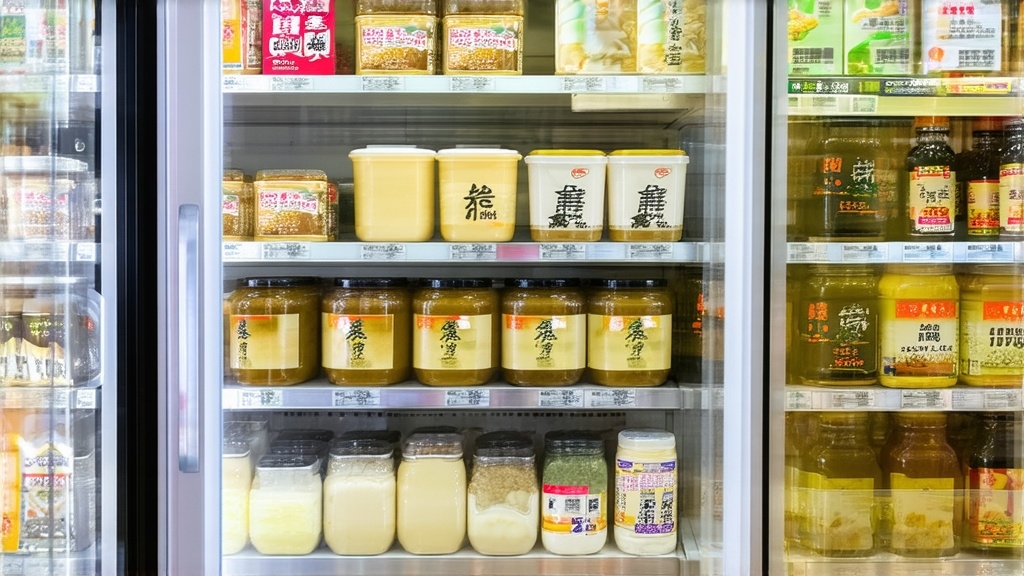
Don’t forget to check both the refrigerated and non-refrigerated areas, as some stores may have different placement preferences.
If you’re having trouble finding it, don’t hesitate to ask a friendly store associate for assistance.
They’ll be more than happy to help you locate the miso paste you need to add that umami flavor to your dishes.
Where to Find Miso Paste at Popular Grocery Chains
Finding miso paste can be easier when you know where specific stores tend to stock it. Here’s a breakdown by store:
- Walmart: Check the international foods aisle, typically near the soy sauce and rice vinegar. Some Walmart locations also carry it in the refrigerated section near the tofu. Best for: budget shoppers looking for a basic everyday miso paste.
- Kroger: Usually found in the Asian foods section of the international aisle. Kroger’s Simple Truth Organic line sometimes includes a miso paste option in the natural foods department. Best for: shoppers who want a national-brand organic option at mid-range prices.
- Whole Foods: Look in the refrigerated section near the produce area or the macrobiotic section. Whole Foods tends to carry higher-quality, organic, and unpasteurized miso paste varieties. Best for: those seeking organic, live-culture, or specialty miso varieties.
- Trader Joe’s: Typically stocked in a small refrigerated section. Trader Joe’s usually carries one or two varieties at an affordable price. Best for: casual cooks who want a quality, affordable option without too many choices.
- Target: Found in the international foods aisle, usually alongside other Asian cooking ingredients. Selection may be limited to one or two brands. Best for: convenience when miso paste is a secondary item on a broader shopping trip.
- Costco: Check the Asian foods section. Costco occasionally carries larger tubs of miso paste, which is great value if you use it frequently. Best for: frequent miso users looking for bulk savings.
- Asian grocery stores (H Mart, Mitsuwa, 99 Ranch): These stores carry the widest selection of miso paste, including specialty varieties you won’t find at mainstream supermarkets. Prices are often lower, too. Best for: cooks who want the most variety, authenticity, and value.
Types of Miso Paste and How to Choose the Right One
Not all miso paste is the same. Understanding the different varieties will help you pick the right one for your recipe:
- White Miso (Shiro Miso): The mildest and sweetest variety. Fermented for a shorter period (usually a few weeks to a few months), it has a light color and delicate flavor. Best for: salad dressings, light soups, and marinades for fish.
- Yellow Miso (Shinshu Miso): A versatile middle-ground option. It has a balanced flavor that isn’t too sweet or too salty. Best for: most miso soup recipes and glazes.
- Red Miso (Aka Miso): Fermented for the longest time (sometimes over a year), red miso has a deep, rich, and salty flavor. Best for: hearty stews, braised dishes, and bold marinades.
- Awase Miso (Mixed Miso): A blend of white and red miso that offers the best of both worlds. This is the most commonly used type in everyday Japanese cooking. Best for: first-time buyers and general all-purpose cooking.
- Hatcho Miso: Made entirely from soybeans (no grain added), this is the darkest and most intensely flavored miso. It’s a specialty product often used in Nagoya-style cooking. Best for: bold, umami-forward dishes and specialty Japanese recipes.
- Barley Miso (Mugi Miso): Made with barley instead of rice, this variety is popular in southern Japan. It has a slightly chunky texture and a robust, earthy flavor. Best for: rustic soups, dips, and robust vegetable dishes.
When choosing miso paste, consider the recipe you’re making. Lighter dishes pair well with white or yellow miso, while hearty dishes benefit from the deeper flavors of red or hatcho miso. If you’re buying your first container, awase (mixed) miso is the most versatile choice.
Miso Paste Types at a Glance
| Type | Color | Flavor Profile | Fermentation Time | Best For |
|---|---|---|---|---|
| White (Shiro) | Pale cream | Mild, slightly sweet | Weeks to a few months | Dressings, light soups, fish marinades |
| Yellow (Shinshu) | Light tan to yellow | Balanced, mildly savory | A few months | Everyday miso soup, glazes |
| Red (Aka) | Deep reddish-brown | Bold, salty, rich | 1 year or more | Stews, braises, bold marinades |
| Awase (Mixed) | Medium brown | Balanced, versatile | Varies (blend) | All-purpose; best choice for beginners |
| Hatcho | Very dark brown | Intense, deeply umami | 2–3 years | Specialty Japanese dishes, Nagoya cuisine |
| Barley (Mugi) | Medium to dark brown | Earthy, robust | Several months to 1+ year | Rustic soups, vegetable dishes, dips |
Frequently Asked Questions
Where exactly is miso paste located in most grocery stores?
In most mainstream grocery stores, miso paste is found in the Asian cuisine aisle or the international foods section, typically near soy sauce and rice vinegar. Organic and unpasteurized varieties may also appear in the refrigerated section of the health food department, often near tofu and seaweed. If you’re unsure, ask a store associate — miso paste is sometimes shelved in more than one location within the same store.
Is miso paste the same as soybean paste?
Miso paste is a type of soybean paste, but not all soybean pastes are miso. Miso is specifically a Japanese fermented paste made from soybeans, salt, and a fermenting agent called koji (a type of mold grown on rice, barley, or soybeans). Korean soybean paste (doenjang) is a different product with a different fermentation process and a stronger, more pungent flavor. If a recipe calls for miso paste, make sure you’re buying Japanese miso rather than another type of soybean paste.
Does miso paste need to be refrigerated?
Yes, once opened, miso paste should be stored in the refrigerator. It can last for up to a year when properly sealed and refrigerated. Unopened miso paste is shelf-stable and can be stored at room temperature, but refrigeration helps maintain its flavor and quality. Some unpasteurized or organic varieties are sold in the refrigerated section from the start because they contain live cultures that benefit from cold storage.
Can I use miso paste as a substitute for salt in recipes?
Miso paste can replace salt in many recipes while adding depth and umami flavor that plain salt cannot provide. Use about one tablespoon of miso paste for every half teaspoon of salt. Keep in mind that miso will add flavor complexity beyond just saltiness, so it works best in savory dishes like soups, stews, sauces, and marinades. It’s also excellent mixed into butter for a compound butter that pairs well with roasted vegetables and grilled meats.
How much does miso paste cost at the grocery store?
Miso paste prices vary depending on the brand, type, and store. At mainstream grocery stores like Walmart or Kroger, a standard 13 to 17.6-ounce tub typically costs between $3 and $6. Organic or specialty varieties at stores like Whole Foods may range from $6 to $12. At Asian grocery stores, you can often find larger containers at a better per-ounce price. A single container of miso paste lasts a long time since most recipes only call for one to three tablespoons.
Which type of miso paste should I buy first?
If you’re new to cooking with miso, start with awase (mixed) miso — a blend of white and red miso that works well across a broad range of recipes. It’s the most commonly used type in everyday Japanese cooking and is available at most grocery stores that carry miso paste. Once you’re comfortable, you can experiment with white miso for lighter dishes or red miso for richer, bolder flavors.
Conclusion
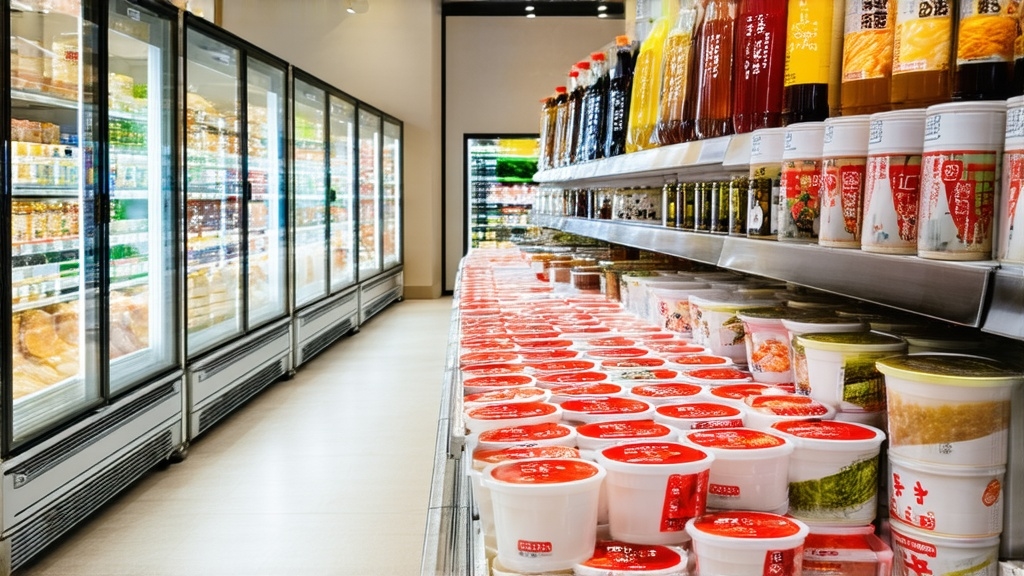
So next time you’re at the grocery store and wondering where to find miso paste, head on over to the Asian Cuisine Aisle.
Don’t waste time searching in the wrong sections, like the International Foods or Condiments and Sauces areas.
And if you’re looking for an organic or unpasteurized option, you might find miso paste in the Health Food or Natural Food Department.
And finally, don’t forget to check the Refrigerated or Fresh Products Section for any refrigerated miso paste options.
Happy shopping!
Want to learn everything about miso paste? Read my Miso Paste 101 Blog post now!