Exquisite Dashi Broth: Effortlessly Make it from Katsuobushi and Konbu
There’s nothing like making homemade dashi stock from katsuobushi and konbu. It takes roughly 10 minutes of active prep and 20 minutes of active ‘cooking’. Compare that to the all day cooking of traditional beef and chicken stocks, and you can’t really complain that it ‘takes too long’. Because it doesn’t. Dashi is full of umami and has a wonderful, yet delicate aroma that Japanese cuisine so often embodies. Here’s how I make dashi from scratch.
Key Takeaways
- Dashi is a fast, flavorful Japanese broth made from just two ingredients: konbu (kelp) and katsuobushi (dried bonito)
- Ichiban (first extraction) is delicate and ideal for soups and noodle bases where you want pure dashi flavor
- Niban (second extraction) is more umami-forward and best for simmered dishes and miso soup
- The entire process—soaking, simmering, and straining—takes only 30–55 minutes from start to finish
- You can reuse the solids to make furikake seasoning and tsukudani, eliminating waste
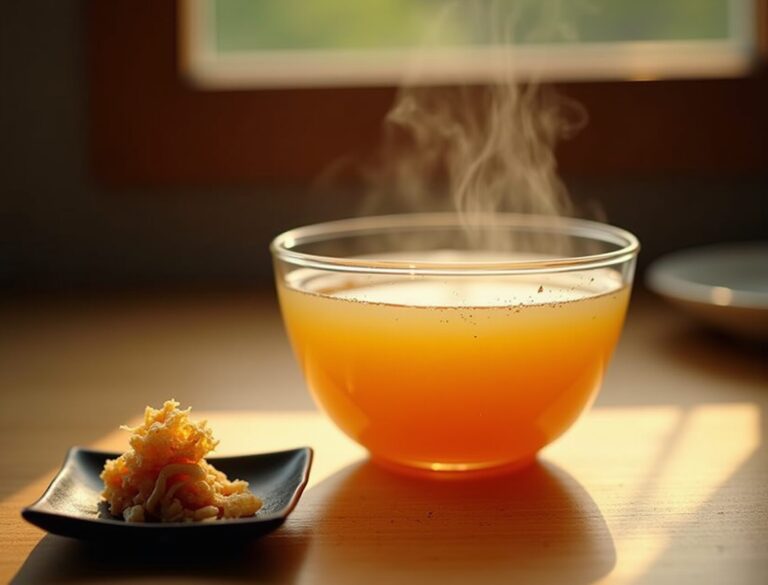
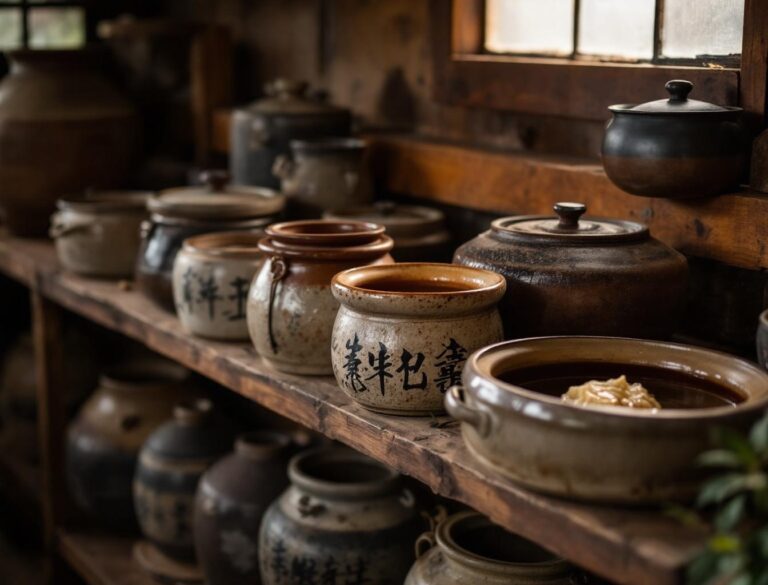
The visual below illustrates golden dashi broth actively steeping with thin pink katsuobushi bonito flakes in a Japanese kitchen setting.
What is Dashi stock(出汁)?
Dashi is a fundamental Japanese broth made from konbu (dried kelp) and katsuobushi (dried, smoked bonito fish). It’s the foundation of Japanese cuisine, delivering deep umami flavor in just 30 minutes of simmering. The broth can be made from many different ingredients depending on the region, but today we’re going to focus on dashi made with konbu (昆布) and katsuobushi (鰹節), the two most essential components.

Understanding the Key Ingredients
Konbu is kelp that comes in a dried form. The majority of konbu in Japan is produced in Hokkaido, the Northern part of Japan. Read more about konbu in this article. It provides natural glutamates that create the savory umami taste.
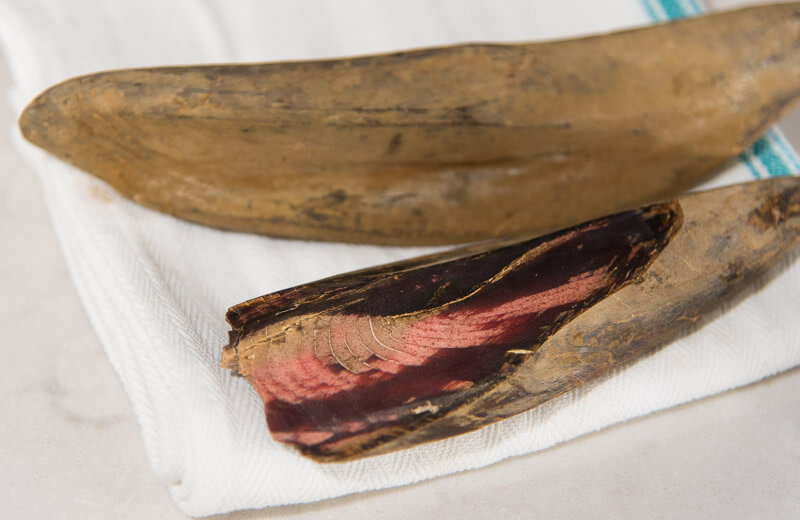
Katsuobushi is a dried, smoked, and fermented skipjack tuna (Best for: creating rich, savory broths) that generally comes in 4 sections. The fish is cut lengthwise into quarters, creating different shapes of dried katsuobushi blocks. Read all about katsuobushi here. Together, these two ingredients create a deeply flavorful umami base for countless Japanese dishes.
Should You Use Premade Dashi Stock?
You can buy premade dashi liquid, powdered packs, or powder (だしの素 – dashi no moto) to make your broth. These options provide the quickest preparation—your stock is ready in less than 5 minutes—making them ideal for busy weeknights.
However, if you have an extra 20–30 minutes to spare or plan ahead, making dashi from scratch delivers noticeably superior flavor. Like anything made from scratch, the quality rivals anything store-bought. For example, comparing instant chicken broth to a broth made from a chicken carcass and fresh vegetables reveals the significant difference in depth and complexity. While not everyone can detect the flavor difference, those seeking premium quality dashi will appreciate the homemade version. After all, your final dish will only be as good as the ingredients you put into it.
Below, we’ll walk through making ichiban dashi (一番だし), which is the first extraction from the konbu and katsuobushi, followed by how to create a second batch of niban dashi from the same solids.
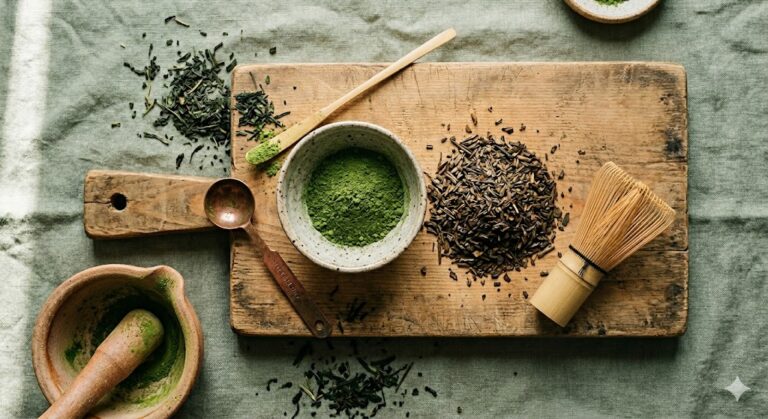
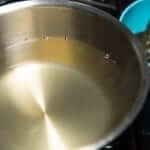
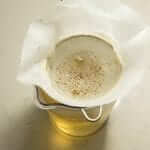
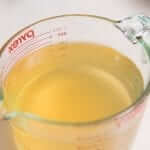
As shown in the following step-by-step photos, the dashi process moves from simmering dark green konbu to straining the finished clear golden broth.
What is Ichiban Dashi (一番だし)?
Ichiban dashi is the first, most delicate extraction of konbu and katsuobushi—literally “number one dashi.” This initial brewing preserves the subtle, nuanced flavors of both ingredients, making it ideal for dishes where you want the dashi’s pure character to shine. Because of its refined taste, ichiban dashi should be reserved for preparations where its delicate profile won’t be overshadowed.
Common uses for ichiban dashi include:
- Suimono 吸い物 (clear, delicate soups)
- Chawanmushi 茶碗蒸し (savory egg custard)
- Ozoni お雑煮 (traditional New Year’s soup)
- Mentsuyu めんつゆ (Best for: noodle soups where delicate dashi flavor matters)
What is Niban Dashi (二番だし)?
Niban dashi is the second extraction from the same konbu and katsuobushi solids—literally “number two dashi.” While less delicate than ichiban, niban dashi delivers robust umami and depth, making it perfect for heartier preparations. The second steeping extracts remaining flavor compounds that would otherwise go to waste.
Unlike ichiban dashi, niban has different culinary purposes and works well in bold, flavorful dishes:
- Nimono 煮物 (simmered dishes: stews, braised fish, meat, and vegetables)
- Misoshiru 味噌汁 (miso (Best for: everyday miso soup with its hearty, rich flavor) soup)
Ichiban vs. Niban Dashi: Quick Comparison
| Characteristic | Ichiban (First) | Niban (Second) |
|---|---|---|
| Flavor Profile | Delicate, refined, subtle | Robust, bold, umami-forward |
| Best For | Soups, noodle bases, custards | Miso soup, simmered dishes |
| Simmering Time | 3–6 minutes | 5+ minutes |
| Strength | Lighter, more nuanced | Stronger, more concentrated |
| Straining | Gentle—don’t squeeze solids | Can press gently on solids |
You don’t have to follow these guidelines rigidly. Some cooks use ichiban dashi for nimono and misoshiru, while others reserve it solely for delicate preparations. Experiment to discover your own preferences. The beauty of homemade dashi is that you control the final product—make both extractions and decide for yourself how to use each one!
The infographic pictured here demonstrates the complete two-stage dashi brewing method, from konbu soaking through katsuobushi straining.

In the video below, I walk you through making both ichiban dashi and niban dashi. Let me know what you think!
How to Make Dashi Broth (Japanese katsuobushi and konbu stock)
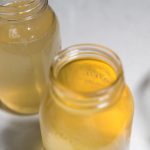
There’s nothing like making homemade dashi stock from katsuobushi and konbu. It takes roughly 10 minutes of active prep and 20 minutes of active ‘cooking’. Compare that to the all day cooking of traditional beef and chicken stocks, and you can’t really complain that it ‘takes too long’. Because it doesn’t. Dashi is full of umami and has a wonderful, yet delicate aroma that Japanese cuisine so often embodies. Here’s how I make dashi from scratch. This recipe prepares 1 Liter of Ichiban dashi and 500mL of niban dashi.
- Prep Time: 5 minutes
- Cook Time: 20 minutes
- Total Time: 55 minutes
- Yield: 1.5 liters 1x
- Category: multipurpose
- Cuisine: Japanese
Ingredients
Scale
Ichiban dashi (first dashi)
- 10 grams katsuobushi flakes
- 10 grams konbu
- 1 liter water
Niban dashi (second dashi)
- all of the used katsuobushi (from ichiban dashi extraction)
- all of the used konbu (from ichiban dashi extraction)
- 5 grams katsuobushi flakes (optional)
- 500 ml water
Instructions
Ichiban dashi (first dashi)
- Using a medium sauce pan, soak the konbu for a minimum of 30 minutes.
- After soaking, bring the konbu stock to barely a boil and remove from the pot. Reserve for niban dashi.
- Turn the heat up until the konbu stock begins to boil, add in the katsuobushi flakes and turn heat back down to low.
- Simmer for 3–6 minutes.
- Strain the katsuobushi using a paper towel (Best for: gentle filtering without squeezing) lined mesh strainer, coffee filter, or nutmilk bag. Do not squeeze the katsuobushi.
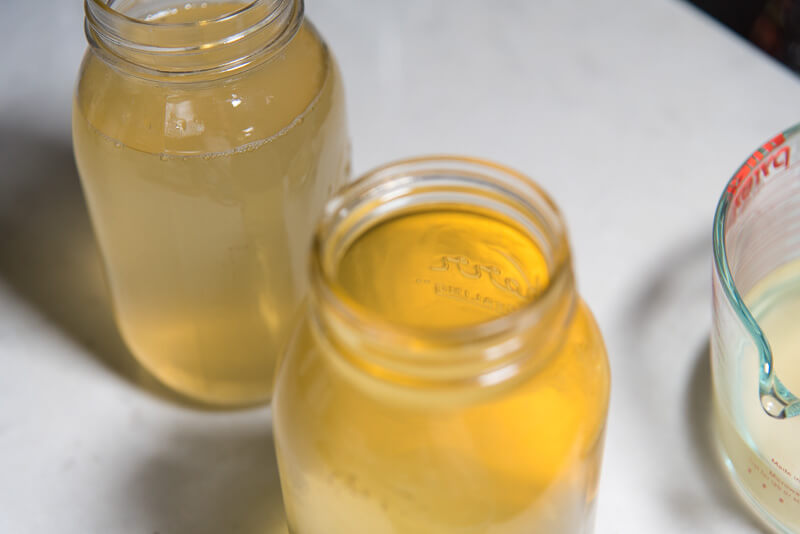
- You now have ichiban dashi!
Niban dashi (second dashi)
- Return the katsuobushi back to the pot.
- Add 500mL of water and add back the same konbu used before. Optional: add 5 grams of new katsuobushi, also known as oikatsuo (追いかつお)
- Bring the liquid to a just about to boiling, and just as it begins to boil you turn the heat to low and allow to sit at least 5 minutes.
- After that time has passed, strain as before, but this time you can press against the katsuobushi.
- Now you have niban dashi!
- You can reuse the used katsuobushi to make furikake and you can reuse the konbu to make tsukudani, so don’t throw either away!
Notes
Critical Tip: Never boil the konbu or you risk extracting bitter, undesirable compounds. Similarly, avoid boiling ichiban or niban dashi itself, as high heat can make the broth cloudy and introduce off-flavors. Keep temperatures low and gentle throughout the brewing process to preserve the delicate umami character.
Frequently Asked Questions
How long does homemade dashi last in the refrigerator?
Homemade dashi keeps in the refrigerator for up to 5 days in an airtight container, or up to 3 months frozen. Store it in ice cube trays for convenient portioning—each cube is easy to drop into a pot of miso soup or simmered dishes without thawing a whole batch.
Can I reuse katsuobushi and konbu after making dashi?
Absolutely! The used katsuobushi makes an excellent seasoning called furikake when dried and crumbled with a little soy sauce and sesame. The leftover konbu can be simmered with soy sauce and sugar to create tsukudani, a savory-sweet condiment delicious over rice. This eliminates waste and maximizes every bit of flavor from your ingredients.
What’s the difference between ichiban dashi and niban dashi?
Ichiban dashi is the first, delicate extraction best suited for soups and noodle bases where you want the pure, refined character of the broth to come through. Niban dashi comes from a second brewing of the same solids and is bolder and more umami-forward, making it ideal for miso soup and heartier simmered dishes like nimono.
Do I need to buy expensive dashi ingredients?
Quality matters, but you don’t need premium grades to get great results. Standard konbu and katsuobushi sold at Japanese or Asian grocery stores deliver excellent flavor at reasonable prices. Pre-packaged instant dashi powder works in a pinch for busy weeknights, but making dashi from scratch—even with everyday ingredients—produces a noticeably more complex and fragrant broth.
Can I make dashi ahead of time for meal prep?
Yes! Homemade dashi is ideal for batch cooking. Make a large quantity on the weekend and freeze it in portions using ice cube trays or small containers. This gives you quick access to high-quality dashi throughout the week without the time investment on busy days.
Why should I never boil konbu when making dashi?
Boiling konbu releases mucilaginous compounds and bitter flavor notes that cloud the broth and introduce unpleasant flavors. Always remove the konbu just before the water reaches a full boil—right when small bubbles begin forming at the bottom of the pot. This keeps your dashi clear, clean, and naturally sweet.