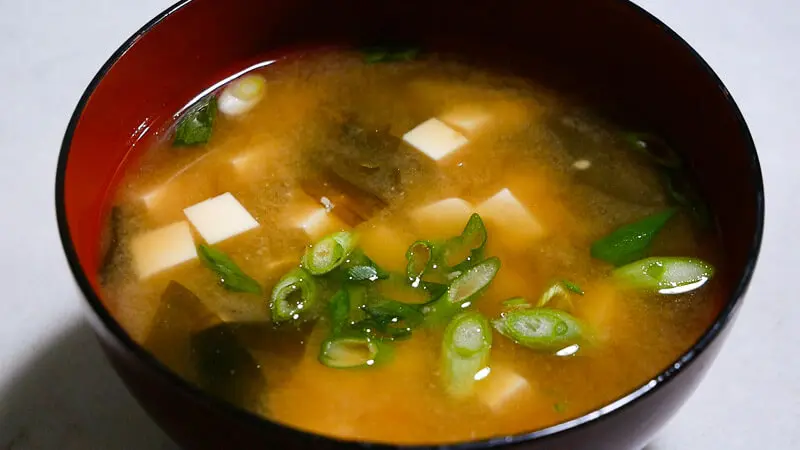
Miso Soup with Tofu: The Complete Japanese Guide
Miso soup with tofu is one of the most deeply nourishing things you can make in under 15 minutes. It’s Japan’s answer to chicken soup — warming, savory, quietly restorative. And while it looks simple, the difference between good miso soup and truly great miso soup comes down to a handful of techniques that most recipes gloss over.
This guide covers everything: proper dashi-making, the science behind why you must never boil miso, the right tofu to use, and the exact ratios that produce restaurant-quality results at home.
Understanding the Foundation: Dashi
Dashi is to Japanese cooking what a great stock is to French cooking — the invisible foundation that makes everything taste better. For miso soup with tofu, the standard is awase dashi: a combination of kombu (dried kelp) and katsuobushi (dried bonito flakes). These two ingredients together create something greater than either alone — kombu provides glutamic acid (sweet, oceanic umami), while katsuobushi provides inosinic acid (smoky, savory depth). Together, they create a synergistic umami explosion.

How to Make Proper Dashi
- Add a 4-inch piece of kombu to 3 cups of cold water in a saucepan
- Heat over medium heat, watching carefully
- Remove the kombu just before the water comes to a full boil — small bubbles at the bottom signal it’s time (about 80°C/176°F). Boiling kombu makes it slimy and bitter.
- Bring to a full boil, then remove from heat
- Add 1 cup loosely packed (or ½ cup tightly packed) katsuobushi flakes
- Let steep undisturbed for 1-2 minutes
- Strain through a fine mesh strainer — you can gently squeeze the flakes to extract a bit more dashi if desired
- Use immediately or refrigerate for up to 3-5 days
This is ichiban dashi (first dashi) — delicate, clear, and ideal for miso soup. The leftover kombu and bonito can be simmered again for about 10 minutes to make niban dashi (second dashi), a bolder stock used for heartier dishes.
The Only Rule You Cannot Break: Never Boil Miso
Ask any Japanese cook and they’ll tell you the same thing: miso should never boil. This isn’t a preference — it’s chemistry.
Miso is a living fermented food. It contains beneficial bacteria, enzymes, and volatile aromatic compounds that make it taste complex and alive. Boiling destroys all of these. The soup becomes flat, the delicate aroma evaporates, and the beneficial probiotics are killed. Namiko Hirasawa Chen of Just One Cookbook specifies the exact technique: bring dashi to 205°F (96°C), turn off the heat completely, then add miso.
Every time you reheat leftover miso soup, don’t let it boil. Warm it gently to steaming — not bubbling.
Choosing the Right Tofu for Miso Soup
Tofu type matters more than most recipes acknowledge:
| Tofu Type | Texture | Best For |
|---|---|---|
| Silken tofu | Custard-soft, delicate, melts slightly in broth | Classic restaurant-style miso soup |
| Soft/medium tofu | Holds its shape but still tender | Everyday miso soup with more body |
| Firm tofu | Sturdy, holds shape completely | Heartier soups; won’t break apart |
For authentic restaurant-style miso soup, silken tofu is the answer. Cut it into ½-inch (1.3cm) cubes — this is the classic size. Handle it gently; silken tofu breaks easily and should be added after the miso, just to warm through.
Choosing Your Miso Paste
The miso you choose defines the soup’s character:
- White miso (shiro miso) — Fermented for only a few weeks to 3 months. Sweet, mild, pale golden. Perfect for delicate, lighter soups with silken tofu. The most common choice for the classic version of this soup.
- Red miso (aka miso) — Fermented 6-18+ months. Bold, salty, deeply earthy. Excellent with root vegetables and firmer proteins.
- Mixed miso (awase miso) — A pre-blended white/red combination. Balanced and versatile. If you want a more complex flavor without blending your own, this is ideal.
- Pro tip: A 70/30 white-to-red blend is the sweet spot according to Japanese culinary experts — the depth of red with the lightness of white.
The Perfect Miso Ratio
The standard ratio is 1 tablespoon (about 18g) of miso paste per 200ml (roughly 1 cup) of dashi. This is the restaurant ratio — deeply savory without being salty. Adjust based on the specific miso you’re using (white miso is milder, so you may want slightly more; red miso is much more intense, so start with less).
Always dissolve miso paste in a small amount of hot broth before adding it to the pot. This prevents clumps. A proper miso muddler (a small wire whisk on a stick, available for under $20) makes this effortless, but a small ladle and chopstick work perfectly well.
Classic Add-Ins and Variations
The Classic Version (Tofu + Wakame)
Silken tofu + dried wakame seaweed + green onions. This is the version you’ll find in virtually every Japanese restaurant. The wakame rehydrates directly in the hot broth in 2 minutes and adds both texture and a subtle oceanic sweetness.
Mushroom Miso Soup
Add thinly sliced shiitake, shimeji, or enoki mushrooms to the dashi before adding the miso. Mushrooms add another layer of umami that amplifies the soup’s depth significantly.
Root Vegetable Miso
Daikon or kabocha squash cubed and simmered in the dashi until tender, then red miso added. A winter soup that’s deeply satisfying.
Clam Miso Soup (Asari no Miso Shiru)
Manila clams or littleneck clams steamed open in the dashi, then white miso whisked in. One of the most deeply flavorful miso soups you can make — the clams release their own briny umami into the dashi.
Nutritional Information
A standard serving of homemade miso soup with silken tofu and wakame contains approximately 57 calories, 5g carbohydrates, 4g protein, 2g fat, and 532mg sodium. It’s a genuinely low-calorie, high-nutrient food — the miso provides beneficial bacteria and B vitamins; the tofu contributes plant-based protein and calcium; the wakame adds iodine and trace minerals.
Japanese Dining Etiquette for Miso Soup
A few traditional notes that make the experience more authentic:
- Miso soup is traditionally served in a lacquered or ceramic bowl with a lid to trap heat and aroma. The lid is removed at the table just before drinking.
- In Japan, you lift the bowl to your lips and sip directly — no spoon. Chopsticks are used only for the tofu and solid ingredients.
- Miso soup is served as part of a complete meal: rice, a main dish, pickles, and soup. It’s not a standalone course.
- Traditional Japanese meals conclude on a savory note (soup + pickles), not with dessert.
Storage and Reheating
Miso soup keeps for 3-4 days refrigerated. Cool it within 4 hours and store with the tofu in. When reheating: warm gently over low heat until steaming — never boiling. The tofu will continue to soften over time; some people actually prefer the texture of tofu that’s been in the soup overnight.
Freeze the broth only for up to 2 weeks — remove the tofu first, as freezing irreversibly changes its texture (it becomes spongy and crumbly). Add fresh tofu when reheating from frozen.
Frequently Asked Questions
Can I use instant dashi for miso soup?
Yes — instant dashi granules (Hon Dashi) are widely available and produce a perfectly good miso soup. They’re what most Japanese home cooks use on weeknights. Dissolve about 1 teaspoon per 2 cups of water. Homemade dashi has a cleaner, more delicate flavor, but instant is a legitimate shortcut.
Why is my miso soup cloudy?
If you boiled the kombu, the broth will be cloudy. If you boiled the miso, it will be flat and somewhat cloudy. This is why temperature control matters. A clear, jewel-like broth is the sign of properly made dashi with carefully handled miso.
Is miso soup good for you?
Yes, genuinely so. Miso is a fermented food that provides beneficial bacteria, B vitamins, and complete protein. Tofu adds plant-based protein and calcium. Wakame provides iodine, magnesium, and folate. The main caution is sodium — at 532mg per bowl, it’s significant. Those managing sodium intake can use low-sodium miso or reduce the amount of miso paste per serving.
How much miso paste per serving?
1 tablespoon (18g) per 200ml (about 1 cup) of broth. This produces a restaurant-quality depth. Adjust to taste — lighter white miso may need slightly more, intense red miso slightly less.




Hi! I’ve just started to make my own home made tofu (and soon tempeh) and I would like to have your opinion about the milk. Is it really better to make it on the pan or it will be just as good in a machine? Thank you so much for your time and for sharing your knowledge. Sónia
hi Sonia! homemade soy milk in a pan or in machine is delicious either way 🙂
how do you usually make it?
I’m impressed with the info. Just starting to learn about making my own miso, so very helpful. TY