Japanese Sesame Dressing (Goma Dressing): The Authentic Method
Japanese sesame dressing — goma dressing — is one of those condiments that people eat at Japanese restaurants and immediately want to bottle and take home. That deep, toasty, nutty flavor isn’t from a package. It’s from properly toasted sesame seeds, the right kind of Japanese mayo, and a technique that takes less than 15 minutes but produces results that taste genuinely authentic.
This guide covers the three main styles of Japanese sesame sauce (they’re quite different), the crucial difference between Japanese sesame paste and Mediterranean tahini, and the secrets that make restaurant-quality goma dressing at home.
The Three Japanese Sesame Sauces (And When to Use Each)
Not all Japanese sesame sauces are the same. Understanding which type you want changes everything:
| Type | Japanese Name | Texture | Best Used For |
|---|---|---|---|
| Sesame tossed vegetables | Goma-ae | Thick paste, not creamy | Blanched spinach, green beans, asparagus |
| Sesame dipping sauce | Goma dare | Pourable but rich | Shabu-shabu hot pot, cold noodles |
| Creamy sesame dressing | Goma dressing | Creamy, pourable | Green salads, cabbage, cucumber |
This recipe focuses on the creamy goma dressing — the salad dressing version that most people are looking for. But all three share the same foundation: deeply toasted sesame.
The Most Important Step: Toasting Sesame Seeds Properly
Most recipes say “toast for 2-3 minutes.” That’s not enough. Properly toasted sesame seeds for Japanese dressing take closer to 10-12 minutes over medium heat — until they’re deeply golden, cracking, popping, and filling your kitchen with an intense roasty fragrance.
Here’s the step-by-step technique from food expert Jacqueline Piper:
- Place raw white sesame seeds in a dry skillet — no oil, no butter
- Set over medium heat and begin stirring immediately
- Around the 4-minute mark, they’ll begin smelling nutty
- Around the 7-minute mark, they’ll start crackling and turning golden
- By 10-12 minutes, they should be a deep golden color and smelling intensely toasty
- Immediately transfer to a cool plate — residual heat in the pan continues cooking them and will burn them in seconds
The difference between seeds toasted for 3 minutes and 12 minutes is dramatic. The longer-toasted seeds have a depth of roasted flavor that defines authentic goma dressing — you can’t fake it.
Nerigoma vs. Tahini: What to Use
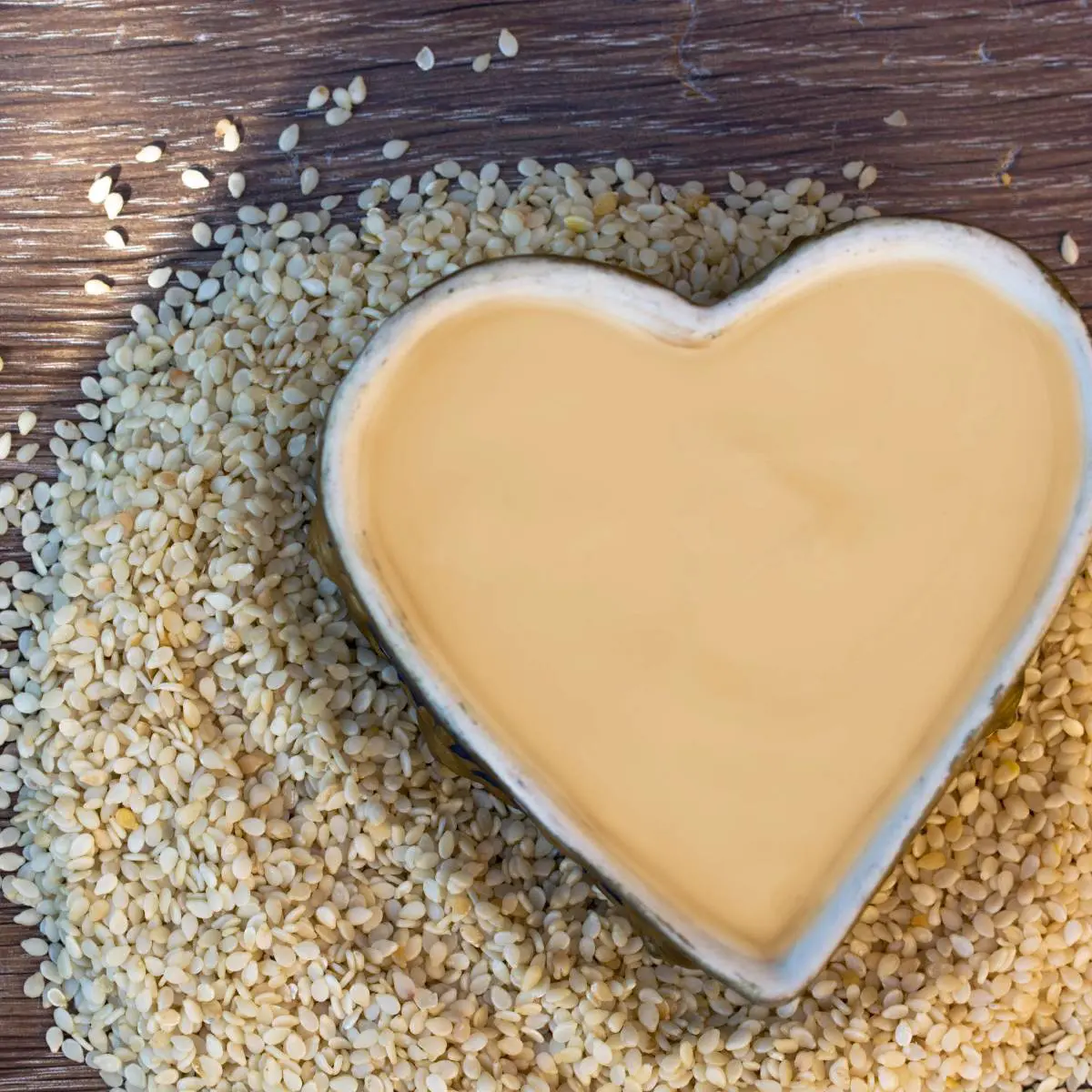
Japanese sesame paste (nerigoma, 練りごま) and Mediterranean tahini are made from sesame seeds, but they taste notably different:
- Nerigoma — Made from whole, deeply toasted sesame seeds. The result is darker, richer, and more intensely nutty. This is what Japanese recipes call for.
- Tahini — Made from hulled, raw or lightly toasted seeds. Lighter in color, milder, slightly bitter. Works as a substitute but the flavor is noticeably different.
If you can find nerigoma at a Japanese grocery store, use it. If not, regular tahini works — but make sure you compensate by toasting your own whole sesame seeds to add to the dressing separately for that deep flavor.
Why Kewpie Mayo Is Essential
Japanese goma dressing calls for Kewpie mayonnaise specifically — not regular American mayo. Kewpie is made with egg yolks only (not whole eggs) and seasoned with rice vinegar and MSG. The result is richer, creamier, more savory, and tangier in a cleaner way. Recipe developer ChihYu Smith specifically notes that Kewpie provides “a thicker texture and deeper umami punch” that’s essential for authentic goma dressing.
If you can’t find Kewpie, add a few drops of soy sauce and a tiny splash of rice vinegar to regular mayo to approximate the profile. It’s not identical but significantly better than using plain American mayo.
The Critical Technique: Preventing Your Sesame Paste from Seizing
Sesame paste is prone to seizing when liquids are added too quickly — it goes from smooth to lumpy and grainy in seconds. A safe technique: combine all the ingredients in a bowl and whisk everything together — start slowly if your paste is stiff, then work in the liquids until smooth.
If your dressing does seize up: add a teaspoon of warm water at a time while whisking vigorously. It will come back together.
Umami Boosters to Try
- Dashi (1 tablespoon) — Adds the savory depth that separates restaurant dressing from home versions. If you don’t have liquid dashi, dissolve a tiny pinch of dashi granules in the rice vinegar.
- Soy sauce (vs. tamari) — Regular soy sauce gives the most authentic flavor; tamari for gluten-free versions
- Dried shiitake mushroom powder — A pinch provides plant-based umami that mimics dashi’s depth. ChihYu Smith uses this as a clean-label alternative to MSG.
- Toasted sesame oil — Just a few drops (not more) at the very end. It’s powerful and can become overwhelming.
The Soy Sauce Rule: Never Dilute with Water
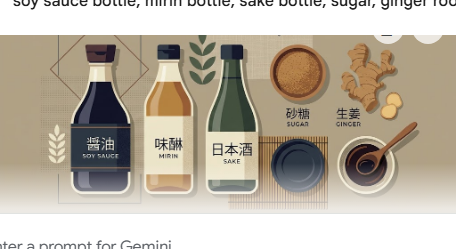
Japanese culinary master Yoshihiro Fujiwara has a strong opinion on this: if you want a less salty dressing, don’t water down the soy sauce — it introduces bacteria and the sauce goes off quickly. Instead, mix soy sauce with reduced sake or mirin at a 70:30 ratio. This softens the intensity while adding complementary sweetness. It’s a professional technique worth adopting.
What to Dress With Japanese Sesame Dressing
This dressing pairs beautifully far beyond green salads:
- Shredded cabbage — The most common use at Japanese restaurants; the dressing clings to every strand
- Cold soba or udon noodles — Thin slightly with 1-2 tablespoons of cold water for noodle salad
- Blanched broccoli or green beans — Toss warm vegetables with dressing for a goma-ae-adjacent side dish
- Grilled chicken — Drizzle over sliced chicken thighs; excellent with a squeeze of yuzu or lemon
- Cucumber and wakame seaweed salad — A classic pairing in Japanese cuisine
- Avocado slices — Unexpected but excellent; the richness of avocado loves the nutty, tangy dressing
- Shabu-shabu dipping sauce — Thin the recipe with more dashi for a perfect hot pot accompaniment
Storage and Shelf Life
Refrigerate in a sealed jar for up to 1 week. The dressing thickens as it chills — bring to room temperature and whisk before using. If it’s very thick, stir in a teaspoon of warm water. Do not freeze; the mayo will break.
Frequently Asked Questions
Can I make this without sesame paste?
Yes — just use more ground toasted sesame seeds. Blend 3-4 tablespoons of deeply toasted seeds with a teaspoon of neutral oil in a blender until a coarse paste forms, then proceed with the recipe. The texture will be slightly grainier than using smooth nerigoma, but the flavor will be excellent.
Is Japanese sesame dressing the same as tahini dressing?
No — though they share a sesame base, they’re distinct in flavor profile. Tahini dressing is Mediterranean and typically combines tahini, lemon, garlic, and water. Japanese sesame dressing uses toasted sesame, soy sauce, rice vinegar, mirin, and Japanese mayo. The flavors go in completely different directions.
Why does my sesame dressing taste bitter?
Two common causes: (1) the sesame seeds burned during toasting — they should be golden, not brown-black; or (2) you used too much sesame paste relative to the balancing ingredients. Add a touch more mirin and rice vinegar to balance. A very small pinch of sugar can help too.
What’s the nutritional info for Japanese sesame dressing?
A standard serving (2 tablespoons) of this dressing contains approximately 111 calories, primarily from the sesame seeds and mayo. It’s nutrient-dense — sesame seeds add healthy fats, protein, and calcium.