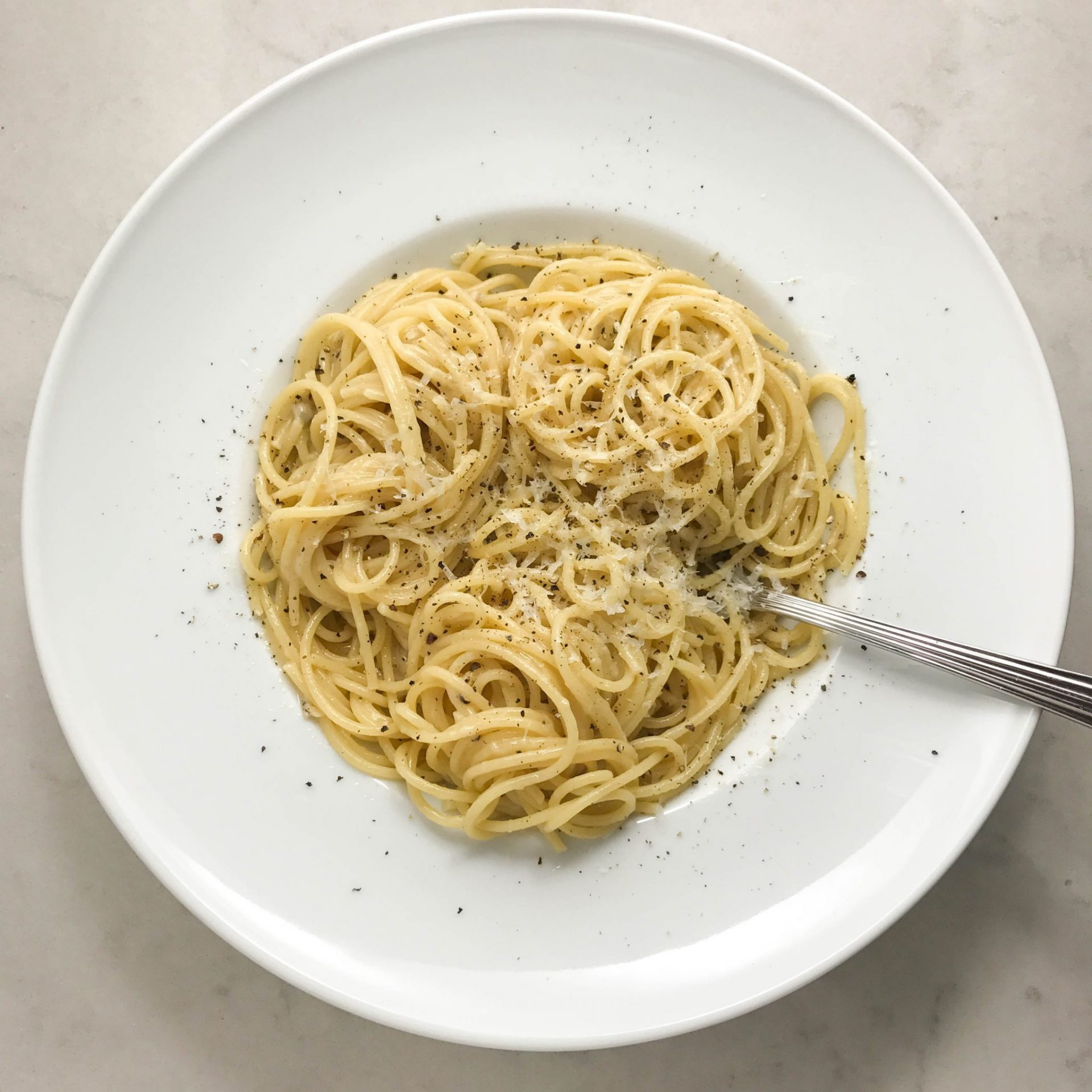
Ultimate Cacio e Pepe: A Classic Roman Pasta Delight
When I first tasted **authentic Cacio e Pepe** in a small trattoria in Rome, it wasn’t just a meal; it was a revelation. The dish, with its deceptively simple appearance, delivered a profound depth of flavor that instantly transported me. It reminded me of the profound simplicity found in the best Japanese dishes – not about complex sauces or a multitude of ingredients, but the perfect harmony of a few, exceptional elements. The experience was akin to savoring a perfectly crafted piece of **sushi** or a meticulously prepared bowl of **ramen**, where every component plays a crucial, balanced role.
That moment in Rome, amidst the bustling atmosphere of Taverna Trilussa, inspired me to recreate that **authentic taste** back home. It was a challenge I eagerly embraced, much like mastering a new Japanese technique. The beauty of Cacio e Pepe lies in its minimalist approach, echoing the Japanese culinary philosophy of “less is more,” where the quality of each ingredient truly shines through. This Roman classic, often translated as “cheese and pepper,” is a testament to how humble ingredients can create something extraordinary.
Join me as we delve into the art of making this iconic pasta dish, bringing a piece of Roman culinary magic to your kitchen, with a keen eye for detail and balance, much like we appreciate in Japanese cooking.
PrintCacio e Pepe (Roman pasta with cheese and pepper)
- Prep Time: 10 minutes
- Cook Time: 10 minutes
- Total Time: 20 minutes
- Yield: 2 people 1x
- Category: Main Dish
- Cuisine: Italian
Ingredients
- 5 tablespoons extra-virgin olive oil
- 1 teaspoon Coarsely ground black pepper (+ more to taste)
- Kosher salt
- 1/2 pound Spaghetti (225g)
- 1 tablespoons unsalted butter (15g)
- 1 cup Pecorino Romano cheese (approximately 60 grams)
Instructions
- Heat 5 tablespoons olive oil and a teaspoon of black pepper in a skillet over medium heat until ingredients are fragrant, After about 1 minute remove from heat.
- Add spaghetti to a large skillet and cover with water. Season with a small pinch of salt, then bring to a boil over high heat until spaghetti is al dente.
- Drain pasta and reserve at least 1/4 cup pasta water.
- Add 2 Tablespoons pasta water and 1 Tablespoon butter to the olive oil pepper mixture. Add spaghetti and cheese and mix thoroughly until cheese is melted
- Add additional pasta water to thin if necessary. Top with more cracked pepper and cheese. Serve immediately.
Why You’ll Love This Cacio e Pepe Recipe
Simple Ingredients, Incredible Flavor
At its heart, Cacio e Pepe is a celebration of simplicity. With just a handful of ingredients – pasta, Pecorino Romano cheese, black pepper, and pasta water – it achieves a complexity and richness that belies its humble origins. This recipe honors that tradition, focusing on quality ingredients and proper technique to unlock their full potential.
Quick & Easy Weeknight Meal
In just about 20 minutes, you can have a restaurant-quality meal on your table. This makes Cacio e Pepe an ideal choice for busy weeknights when you crave something satisfying and delicious without spending hours in the kitchen. It’s faster than ordering takeout and infinitely more rewarding.
A Taste of Rome at Home
Recreating **authentic Cacio e Pepe** is like taking a culinary trip to Rome. Each bite transports you to the charming trattorias and vibrant streets of the Eternal City. This recipe provides the tools and knowledge to achieve that genuine Roman flavor profile, allowing you to experience a piece of Italian culture from the comfort of your home.
What is Cacio e Pepe? (カチョ・エ・ペペとは?)
Cacio e Pepe, pronounced “kah-cho eh peh-peh,” literally means “cheese and pepper” in Roman dialect. It’s one of the four classic Roman pasta dishes, alongside Carbonara, Amatriciana, and Gricia. Its fame stems from its incredible flavor achieved with minimal ingredients.
The Roman Shepherd’s Dish
Historically, Cacio e Pepe was a staple for Roman shepherds. They would carry dried pasta, aged Pecorino Romano, and black peppercorns with them during their transhumance (seasonal migration with livestock). These ingredients were non-perishable, easy to transport, and provided a hearty, energy-rich meal. The hot pasta water would melt the cheese and create a creamy sauce, a perfect example of ingenious simplicity born out of necessity.
The “Cheese and Pepper” Philosophy
The philosophy behind Cacio e Pepe is a profound one: respect for ingredients. It teaches us that when you use high-quality components and understand how to coax the best out of them, you don’t need elaborate preparations. This mirrors the **washoku (和食)** philosophy, where the inherent flavors of fresh, seasonal ingredients are highlighted rather than masked. The **umami (うま味)** of the Pecorino and the pungent warmth of the **black peppercorns** are the stars, creating a symphony of taste and texture.
Essential Ingredients for Authentic Cacio e Pepe
The magic of Cacio e Pepe lies in its simplicity, but this simplicity demands high-quality ingredients. Think of it like a perfectly executed sushi roll – the rice, fish, and nori must be exceptional for the final product to truly shine.
**Pecorino Romano Cheese**: The Heart of the Dish
This is non-negotiable. **Pecorino Romano** is a hard, salty sheep’s milk cheese, aged for at least 5 months. Its sharp, tangy, and intensely savory flavor is what defines Cacio e Pepe. Do not substitute with Parmesan (Parmigiano Reggiano) if you want an authentic experience. While delicious, Parmesan has a nuttier, less pungent profile that won’t give you the characteristic Roman taste.
- Why DOP matters: Look for Pecorino Romano with the **DOP (Denominazione d’Origine Protetta)** seal. This certification guarantees that the cheese is produced, processed, and prepared in a specific geographical area (Lazio, Sardinia, or Grosseto) using traditional methods, ensuring its authenticity and quality.
- Freshly grated is key: Always grate your Pecorino Romano fresh, just before using. Pre-grated cheese often contains anti-caking agents (like cellulose) that prevent it from melting smoothly, leading to a clumpy sauce.
**Black Peppercorns**: Freshly Ground is Key
Pepper is not just a seasoning here; it’s a co-star. The quality and preparation of your pepper are crucial.
- Freshly ground: Use whole **black peppercorns** and grind them yourself, preferably with a mortar and pestle for a coarser, more rustic grind, or a good quality pepper mill. Pre-ground pepper lacks the vibrant aroma and pungent kick essential for this dish.
- Toasting: Lightly toasting the whole peppercorns in a dry pan or with a touch of olive oil before grinding enhances their aroma and deepens their flavor, releasing their essential oils. This step adds a layer of complexity that elevates the dish significantly.
- Types of peppercorns: While standard black peppercorns are fine, experimenting with varieties like Tellicherry or Kampot can add nuanced flavor profiles. Tellicherry offers a bold, fruity heat, while Kampot is known for its floral and citrus notes.
**Pasta**: Traditional **Tonnarelli** or **Spaghetti**
The choice of pasta is important for how the sauce clings and emulsifies.
- Traditional choices: In Rome, **Tonnarelli** (a thick, square-cut spaghetti-like pasta) is often preferred for its rough texture, which holds the sauce beautifully. **Spaghetti** is the most common and widely available alternative, and it works wonderfully.
- Why these shapes work best: Long, thin, and slightly rough pastas are ideal because they provide ample surface area for the creamy, peppery sauce to adhere to. Their texture also contributes to the overall mouthfeel.
- Quality matters: Opt for high-quality bronze-die extruded pasta. This type of pasta has a rougher surface, allowing the sauce to cling better than smooth, Teflon-extruded varieties.
**Pasta Water**: The Secret to Creaminess
This humble liquid is the unsung hero of Cacio e Pepe.
- Starchy water explained: As pasta cooks, it releases starch into the cooking water. This starchy water is essential for creating the creamy, emulsified sauce. The starch acts as a binder, helping the cheese and pepper to form a smooth, luscious coating around the pasta.
- Don’t discard it all: Always reserve at least a cup of pasta water before draining your pasta. You’ll use it to achieve the perfect consistency for your sauce.
(Optional) A Touch of Olive Oil or Butter
While purists might argue against it, a small amount of fat can aid in the emulsification process and add richness.
- When and why: A drizzle of high-quality **extra virgin olive oil** can be used to toast the peppercorns, or a small knob of unsalted butter can be added to the pan with the pepper before introducing the pasta and cheese. This can help create a smoother sauce and add a subtle depth of flavor without overpowering the cheese and pepper. However, it’s not strictly necessary if your technique is solid.
How to Make Cacio e Pepe: Step-by-Step Instructions
Making Cacio e Pepe is an exercise in technique and timing. Follow these steps carefully to achieve that coveted creamy, emulsified sauce.
Prep Your Ingredients
- Grate the **Pecorino Romano** finely. You want it almost powdery for the best melting.
- Coarsely grind your **black peppercorns**.
- Measure out all your ingredients. This dish moves quickly, so having everything ready is crucial.
Toast the Peppercorns
- In a large skillet or pan (one that will eventually hold all the pasta), add your coarsely ground **black peppercorns**.
- Toast them over medium heat for 1-2 minutes, stirring constantly, until fragrant. Be careful not to burn them.
- If using, add a tablespoon of **olive oil** or butter to the pan with the toasted pepper. This helps infuse the fat with pepper flavor.
Cook the Pasta
- Bring a pot of water to a boil. Unlike most pasta dishes, you’ll want to use less water than usual for Cacio e Pepe. This concentrates the starch, making your **pasta water** extra potent for the sauce.
- Season the water with a small pinch of salt. Remember, Pecorino Romano is very salty, so don’t overdo it.
- Add your **spaghetti** or **tonnarelli** and cook until just shy of **al dente** (about 1-2 minutes less than package directions). The pasta will finish cooking in the sauce.
- Before draining, reserve at least 1 to 1.5 cups of the starchy **pasta water**.
Create the Pecorino Paste
- While the pasta is cooking, take about 1/2 cup of the grated Pecorino Romano and place it in a heatproof bowl.
- Gradually add a few tablespoons of hot **pasta water** to the cheese, stirring vigorously with a fork or whisk to create a smooth, thick paste. It should be the consistency of a thick batter. This step is vital for preventing clumps.
Emulsify and Combine
- Drain the pasta, but do not rinse it.
- Add the nearly cooked pasta directly to the skillet with the toasted pepper (and olive oil/butter, if used).
- Add about 1/2 cup of the reserved **pasta water** to the skillet.
- Over low heat, begin tossing and stirring the pasta vigorously.
- Gradually add the Pecorino paste, continuing to toss and stir. The goal is to create a smooth, creamy **emulsion**. The starch from the pasta water, combined with the fat from the cheese (and optional olive oil/butter), will bind together to form the sauce.
- If the sauce is too thick, add more **pasta water** a tablespoon at a time until you reach your desired consistency. If it’s too thin, add a little more grated Pecorino.
Serve Immediately
- Cacio e Pepe is best enjoyed immediately. The sauce can seize up as it cools.
- Serve in warm bowls, garnished with an extra sprinkle of freshly ground **black peppercorns** and a little more grated Pecorino Romano.
Expert Tips for the Perfect Cacio e Pepe (失敗しないカチョ・エ・ペペのコツ)
Achieving the perfect, creamy Cacio e Pepe is all about mastering a few key techniques. Here are some expert tips to ensure your success, much like the precision required in Japanese culinary arts.
The Importance of Freshly Grated Cheese
This cannot be stressed enough. **Freshly grated Pecorino Romano** is paramount. Pre-grated cheese contains anti-caking agents that prevent it from melting smoothly, leading to a grainy or clumpy sauce. Grate it finely, almost like snow, for the best results. The finer the grate, the quicker and more evenly it will melt into the sauce.
Mastering the Emulsion: No Clumps Allowed!
The creamy sauce is an **emulsion** of cheese, pepper, and starchy **pasta water**. The key to preventing clumps and achieving a silky texture is temperature control and continuous movement.
- Gradual addition: Don’t dump all the cheese in at once. Add it gradually, stirring constantly.
- Right temperature: The pan should be off the heat or on very low heat when you add the cheese. Too much heat will cause the cheese proteins to seize and clump.
- Vigorous stirring: Continuously toss and stir the pasta as you add the cheese and pasta water. This motion helps to create the emulsion.
- Pre-mixing cheese: Making a paste with some of the Pecorino Romano and hot pasta water before adding it to the pan can significantly reduce the risk of clumping.
Don’t Overcook the Pasta
Cook your pasta until it’s very **al dente**, meaning it still has a firm bite. It will continue to cook in the hot pan with the sauce. Overcooked pasta will become mushy and won’t hold the sauce as well.
Adjusting Consistency with Pasta Water
The reserved **pasta water** is your best friend. It’s the primary tool for adjusting the sauce’s consistency. If the sauce is too thick, add a tablespoon or two of pasta water at a time, stirring until it reaches your desired creaminess. If it’s too thin, you can try adding a little more grated Pecorino, but be careful not to make it too salty.
Serving Hot is Non-Negotiable
Cacio e Pepe is a dish that waits for no one. The moment it’s ready, serve it immediately in warm bowls. As it cools, the sauce will thicken and can become less creamy. The best experience is when the pasta is piping hot, and the sauce is still luscious and flowing.
Common Cacio e Pepe Mistakes to Avoid
Even with simple recipes, there are pitfalls. Avoiding these common mistakes will ensure your Cacio e Pepe is a triumph, not a tragedy.
Using Pre-Grated Cheese
As mentioned, pre-grated cheese is the enemy of a smooth Cacio e Pepe. The anti-caking agents prevent proper emulsification, leading to a gritty or clumpy sauce. Invest in a block of **Pecorino Romano** and grate it fresh.
Not Toasting the Pepper
Skipping the toasting step means missing out on a significant layer of flavor. Toasting the **black peppercorns** awakens their aromatic compounds, giving the dish a much deeper, more complex peppery kick. It’s a small step with a big impact.
Adding Cold Water
Always use hot **pasta water** when creating your cheese paste or adjusting the sauce’s consistency. Cold water will shock the cheese, causing it to seize and clump, and will cool down your pasta, making it harder to emulsify.
Over-Stirring or Under-Stirring
There’s a sweet spot for stirring. Too little stirring won’t create the emulsion, leaving you with separate pasta, cheese, and water. Too much vigorous stirring, especially at high heat, can break the emulsion or make the cheese stringy. Aim for continuous, but controlled, tossing and stirring as you combine the ingredients off the direct heat.
Serving Suggestions & Pairings
Cacio e Pepe is a complete meal in itself, but a few thoughtful additions can elevate the experience, much like a carefully chosen side dish complements a main course in Japanese dining.
What to Serve with Cacio e Pepe
- Simple Green Salad: A light, crisp green salad with a simple vinaigrette provides a refreshing contrast to the richness of the pasta.
- Crusty Bread: Perfect for soaking up any leftover sauce.
- Roasted Vegetables: Asparagus, broccoli rabe, or zucchini, simply roasted with olive oil, salt, and pepper, make a great side.
Wine Pairings
For a truly Roman experience, pair your Cacio e Pepe with a dry, crisp white wine or a light-bodied red.
- White Wines: A Frascati, Vermentino, or a crisp Sauvignon Blanc would cut through the richness of the cheese beautifully.
- Red Wines: A light-bodied Sangiovese or a young Chianti offers a nice balance without overpowering the delicate flavors of the pasta.
Frequently Asked Questions (FAQs) about Cacio e Pepe
Can I use Parmesan instead of Pecorino Romano?
While you can use Parmesan (Parmigiano Reggiano), it will not result in an **authentic Cacio e Pepe**. Pecorino Romano has a sharper, saltier, and more pungent flavor profile due to being made from sheep’s milk, which is crucial for the dish’s characteristic taste. Parmesan, made from cow’s milk, is nuttier and milder. For the true experience, stick to **Pecorino Romano**.
Why is my Cacio e Pepe clumpy?
Clumpy Cacio e Pepe is a common issue, usually due to one of these reasons:
- Too much heat: Adding cheese to a pan that’s too hot will cause the cheese proteins to seize and clump. The pan should be off the heat or on very low heat when you add the cheese.
- Pre-grated cheese: Anti-caking agents in pre-grated cheese prevent it from melting smoothly.
- Not enough starchy pasta water: The starch helps emulsify the sauce.
- Not stirring enough: Continuous, vigorous stirring is essential to create a smooth **emulsion**.
- Cold water: Using cold water to thin the sauce will cause the cheese to seize.
Can I make Cacio e Pepe ahead of time?
No, **Cacio e Pepe** is a dish that must be served immediately. The sauce relies on a delicate **emulsion** that breaks down as it cools, leading to a thick, clumpy, or oily texture. It’s best enjoyed fresh off the stove.
What kind of pasta is best for Cacio e Pepe?
Traditionally, **Tonnarelli** is the preferred pasta in Rome due to its thick, square shape and rough texture, which holds the sauce beautifully. However, **spaghetti** is a widely accepted and excellent alternative. Look for high-quality, bronze-die extruded pasta for the best sauce adhesion.
Variations & Twists
While the beauty of Cacio e Pepe lies in its purist form, a few subtle additions can offer interesting variations, much like how Japanese cuisine offers regional takes on classic dishes.
Adding a Protein (e.g., Guanciale, Pancetta)
For those who enjoy a richer flavor and added texture, crispy cured pork can be a delicious addition. While not traditional Cacio e Pepe, it creates a dish reminiscent of a simplified Carbonara.
- Guanciale: The cured pork jowl used in Carbonara and Amatriciana, **guanciale** renders beautifully and provides an incredible depth of flavor and crispy texture.
- Pancetta: Cured pork belly, similar to bacon but not smoked, **pancetta** can also be used.
- How to add: Dice the guanciale or pancetta and render it in the pan until crispy before toasting the pepper. Remove the crispy bits, then proceed with the recipe, using the rendered fat as part of your base. Stir the crispy pork back in at the end or sprinkle on top.
Other Pasta Shapes
While long pasta is traditional, you can experiment with other shapes that have good surface area for sauce adhesion.
- Rigatoni or Bucatini: These tubular shapes can trap the creamy sauce inside, offering a different textural experience.
- Mezze Maniche: A shorter, wider tube pasta, also excellent for hearty sauces.



This sounds so yummy and so frickin easy! Talk about comfort food 😀
Thank you Emily, it is really easy, hope you get a chance to try it!!
You had me at “fresh cracked pepper”!!! That pasta sounds so delicious and you getting to check out Rome sounds like it must have been a blast. Great post!!!
Danielle | FollowMyGut.com <3
Thanks for the note Danielle!! ill be posting about my trip in the next week or so 🙂
I love just about any kind of pasta and I do like sprinkling pepper on many dishes. A tsp. of pepper, huh? I bet it’s good 🙂
Yes it was!! I grind it fresh almost everyday!! Let me know if you try it 🙂
I love pasta- I usually buy organic wholemeal…this looks tasty too
It was very tasty!!