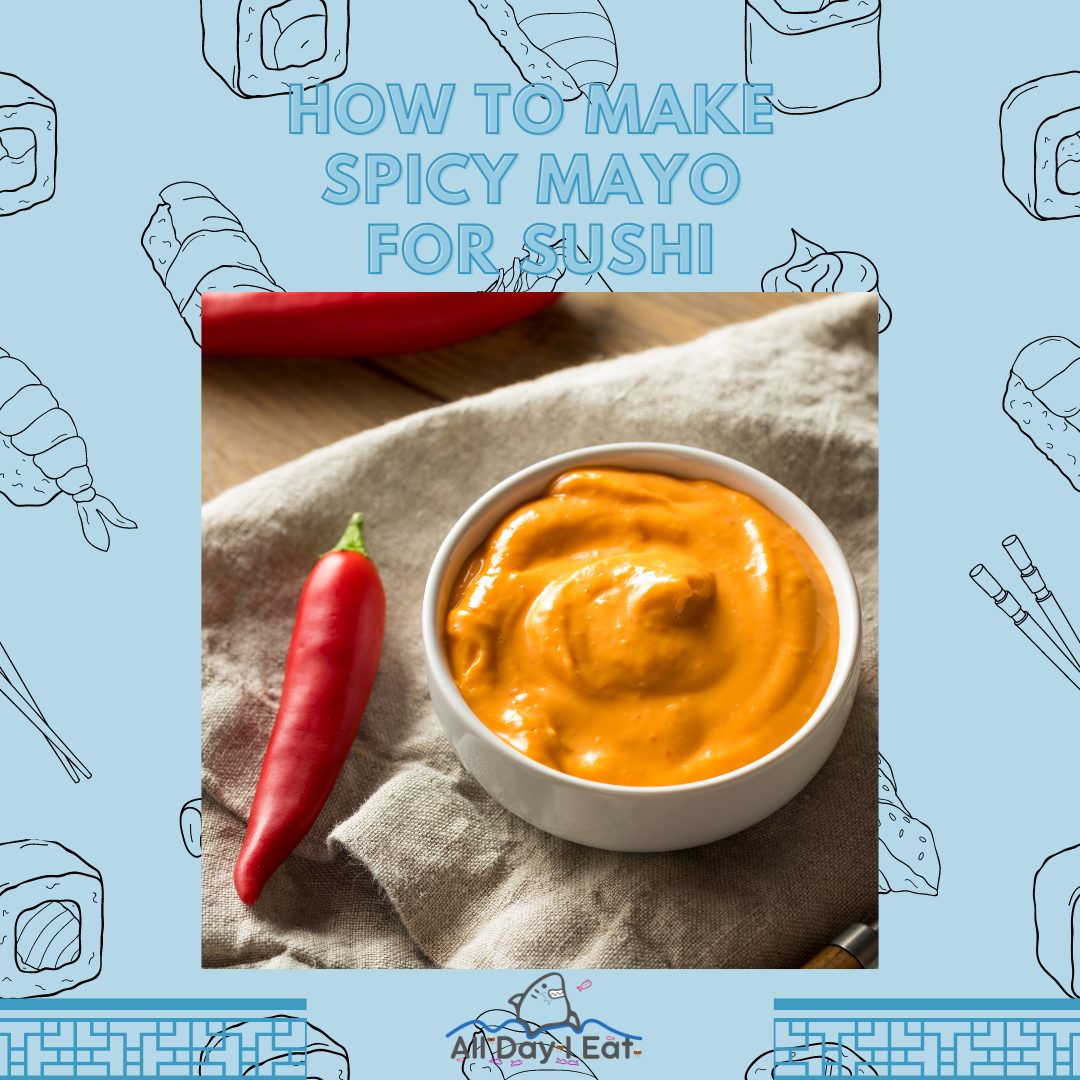
How to Make Spicy Mayo for Sushi (The Kewpie Secret)
Spicy mayo for sushi is one of those condiments that seems impossibly simple until you taste the real thing. The version you get at a proper sushi restaurant — creamy, balanced, with a slow heat that doesn’t overwhelm — isn’t just mayo and hot sauce in a squeeze bottle. There’s a reason it tastes different, and it starts with the mayo.
This guide covers the Japanese-American version that defines sushi bar spicy mayo, how to adjust it for different uses (from sushi rolls to poke bowls), and the flavor variations that take it well beyond the basic recipe.
Kewpie Mayo vs. Regular Mayo: Why It Matters
The most important ingredient decision in spicy mayo is the mayo itself. Kewpie Japanese mayonnaise is fundamentally different from American mayo in two key ways:
- Egg yolks only (not whole eggs) — this makes Kewpie richer, denser, and more golden in color
- Rice vinegar and MSG — the acid is milder and more delicate; the MSG adds a savory depth that American mayo completely lacks
The result is a mayo that’s creamier, tangier in a cleaner way, and significantly more complex. Using regular American mayo in spicy mayo gives you something that technically works but tastes noticeably flat by comparison. Kewpie is widely available at Asian grocery stores and most large supermarkets — it’s the red bottle with the baby on the label.
The Base Recipe: Classic Spicy Mayo for Sushi
A good starting ratio is 3-4 parts Kewpie mayo to 1 part sriracha — adjust heat to taste from there. That ratio gives you a spicy mayo that’s creamy, orange-tinted, and moderately spicy — the version you’ll find in most sushi restaurants.
Why Sriracha Works (And When to Use Something Else)
Sriracha has become the default hot sauce for spicy mayo because its garlic-forward heat and vinegary tang complement Kewpie mayo so naturally. But it’s not the only option — and it’s not always the best one depending on what you’re making:
| Hot Sauce | Flavor Profile | Best Used For |
|---|---|---|
| Sriracha | Garlicky, vinegary, medium heat | Classic sushi rolls, poke bowls, general purpose |
| Togarashi (shichimi) | Complex, citrusy, multi-spice Japanese blend | When you want authentic Japanese character |
| Gochujang | Deep, fermented, slightly sweet Korean chili paste | Poke bowls, grain bowls; needs a touch of water to thin |
| Sambal oelek | Pure chili heat, less garlic and vinegar | When you want straightforward heat without distraction |
| Wasabi paste | Sharp, sinus-clearing heat that dissipates quickly | Classic Japanese flavor; pairs naturally with fish |
| Yuzu kosho | Bright, citrusy, complex Japanese chili-citrus paste | Delicate fish dishes; premium upgrade |
Flavor Enhancers Worth Adding
The base two-ingredient recipe is good. These additions make it great:
- Sesame oil — Just 1/4 teaspoon adds a nutty warmth that reads as distinctly Japanese. Don’t add more; it’s powerful stuff.
- Soy sauce — A few drops deepens the umami without making it salty. Especially useful if you’re using regular mayo instead of Kewpie.
- Lime juice — A small squeeze brightens the entire sauce. Use sparingly — you want tang, not sourness.
- Grated garlic — Half a clove, grated finely, intensifies the heat and adds complexity. Let it sit for 5 minutes before using so the flavor mellows slightly.
- Rice vinegar — A few drops if your mayo feels too rich; it lightens the sauce.
10 Ways to Use Spicy Mayo Beyond Sushi
Once you have a squeeze bottle in the fridge, you’ll find uses everywhere:
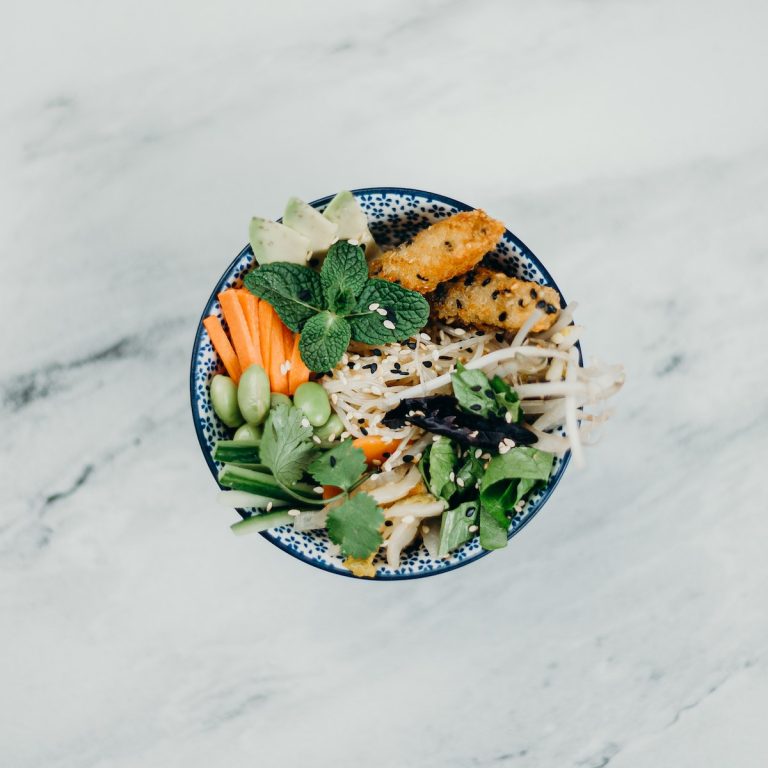
- Poke bowls — Drizzle over tuna or salmon poke with rice, edamame, and avocado
- Dragon rolls and California rolls — The classic sushi use; pipe from a squeeze bottle for restaurant presentation
- Sushi bake — Mix with crab meat or salmon, spread over sushi rice, bake until bubbling
- Shrimp tacos — Drizzle over grilled or fried shrimp with slaw and lime
- French fries and sweet potato fries — An excellent dipping sauce or drizzle
- Ahi tuna poke nachos — Over crispy wonton chips with tuna, avocado, and sesame
- Grilled chicken sandwiches — As a spread; the heat complements charred chicken beautifully
- Deviled eggs — Mix into the yolk filling for a Japanese-inspired variation
- Salmon burgers — Spread on the bun as a condiment
- Ramen topping — A drizzle over instant or homemade ramen adds richness and heat
How to Get the Restaurant-Quality Squeeze Bottle Presentation
The thin, precise lines of spicy mayo you see drizzled over sushi at restaurants come from the sauce being the right consistency and applied through a thin nozzle. Here’s how to replicate it:
- Transfer your spicy mayo to a small squeeze bottle (available at restaurant supply stores or on Amazon for about $1-2)
- Thin the sauce slightly if needed — stir in a few drops of water or sesame oil until it flows freely
- For crosshatch drizzle: pipe in parallel lines, rotate the plate 90 degrees, pipe again
- For dots: hold the bottle vertical and apply quick small squeezes
- Refrigerate the squeeze bottle between uses; it keeps for 7 to 10 days
Spice Level Adjustments
- Mild: 3 parts mayo : 1 part sriracha — creamy with background warmth
- Medium (standard): 2 parts mayo : 1 part sriracha
- Hot: 1.5 parts mayo : 1 part sriracha — noticeably spicy
- Fiery: Equal parts — for serious heat lovers only
When adjusting, remember that the heat level also varies significantly between hot sauce brands. Sambal oelek is much hotter than sriracha per tablespoon; gochujang is much milder but more complex.
Vegan and Dairy-Free Spicy Mayo
Good news: standard spicy mayo is already dairy-free. For a vegan version, swap Kewpie (which contains egg yolks) for a vegan mayo — either store-bought vegan mayo or a cashew-based homemade version. Add a few drops of soy sauce to compensate for the umami that egg yolks provide in Kewpie. The texture will be slightly different but the flavor is still excellent.
Storage and Make-Ahead
Spicy mayo keeps well refrigerated in an airtight container for 7 to 10 days. The flavors actually improve after the first day as everything melds together. Stir or shake before using if separation occurs. Do not freeze — mayonnaise doesn’t freeze well and will break when thawed.
Frequently Asked Questions
Can I use regular mayo instead of Kewpie?
Yes, but the result is noticeably different. Regular mayo is milder and less rich. To compensate, add a few drops of soy sauce (for umami) and a small splash of rice vinegar (for the clean tang that Kewpie gets from rice vinegar). The flavor gap narrows significantly with these additions.
Is spicy mayo just mayo and hot sauce?
Technically yes, but the quality of each ingredient matters enormously. Kewpie mayo (not Hellmann’s) and sriracha (not generic hot sauce) are what give restaurant spicy mayo its distinctive character. The optional additions — sesame oil, soy sauce, lime — are what take it from good to great.
What is the white sauce on sushi?
White sauce on sushi is usually eel sauce (sweet soy glaze), ponzu (citrus soy), or a plain Kewpie mayo drizzle — sometimes all three layered. If it’s creamy and white (not orange), it’s likely just plain Japanese mayo with no hot sauce added.
How do sushi restaurants make their spicy mayo so smooth?
Three factors: Kewpie mayo (smoother base), the right ratio of hot sauce (too much breaks the emulsion), and sometimes a tiny amount of water added to the finished sauce to achieve the perfect drizzling consistency. They also typically use a fine-tip squeeze bottle for application.
Can I make spicy mayo without sriracha?
Absolutely. See the hot sauce comparison table above. Togarashi (shichimi) mixed with Kewpie mayo is a great Japanese-inspired variation — it’s complex, fragrant, and slightly citrusy. Yuzu kosho mayo is the premium upgrade that upscale Japanese restaurants use.