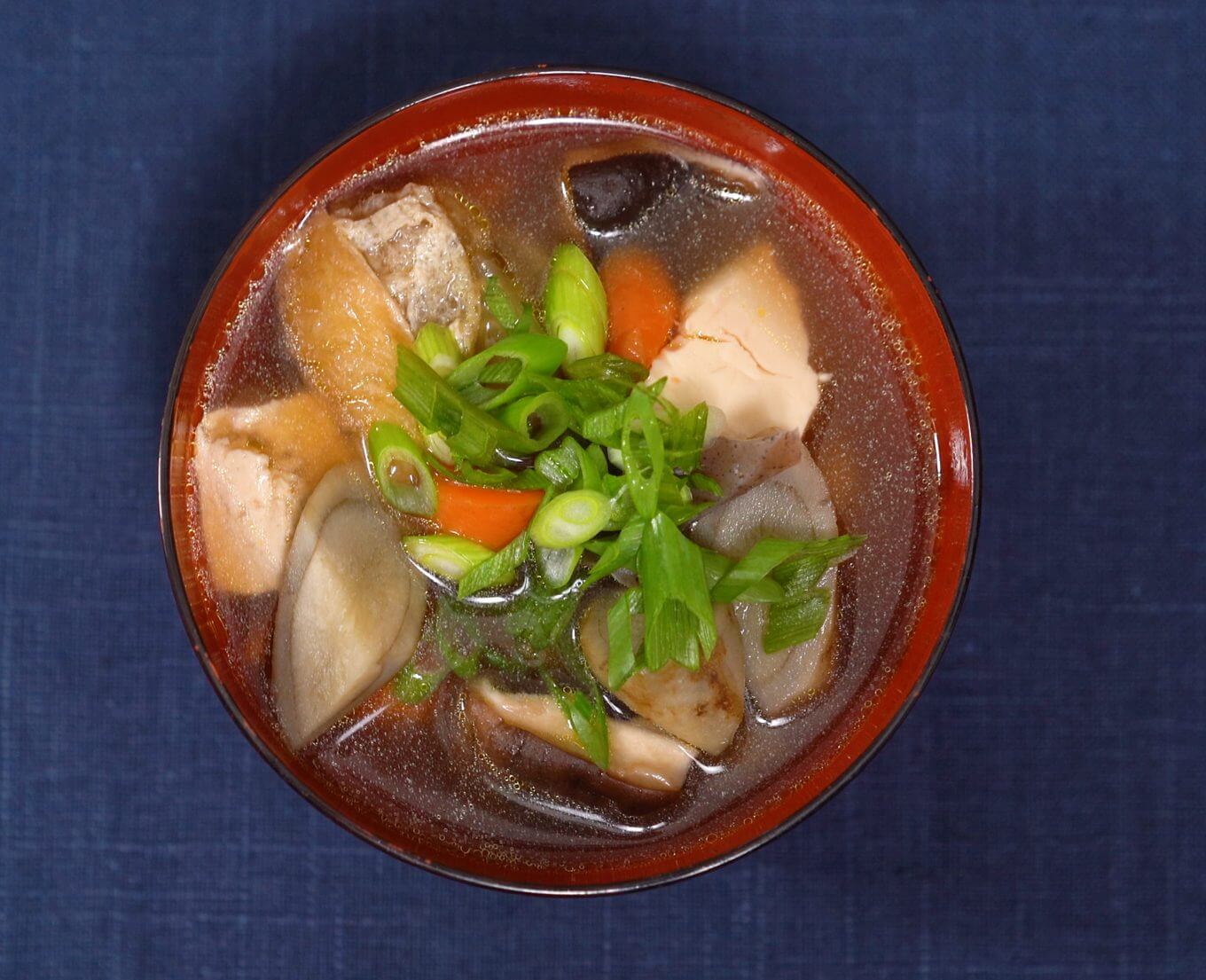
Delicious Kenchinjiru Recipe: The Ultimate Japanese Vegetable Soup
Similar Posts
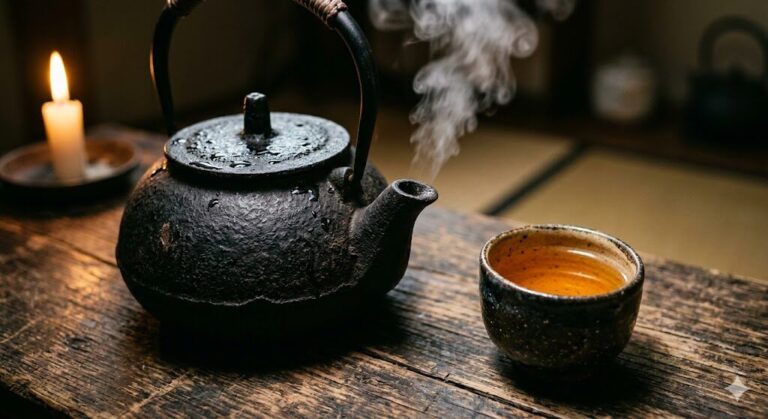
How Cast Iron Tetsubin Add Minerals to Water for Better Tea
Cast iron tetsubin are Japan’s most iconic teaware — used for heating water for tea ceremonies and everyday drinking for over 400 years. Their reputation for improving water quality isn’t merely tradition or placebo. Traditional Japanese cast iron kettles (unlined inside) genuinely interact with water chemistry in measurable ways that affect tea flavor. This guide…
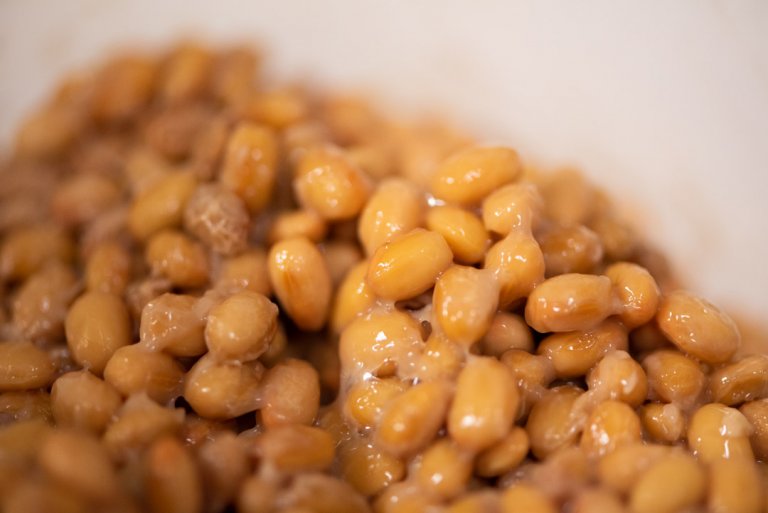
Effortless Natto Making: How to Make with Tanica Yogurtia Yogurt Maker
Disclosure: As an Amazon Associate, all day i eat like a shark earns from qualifying purchases. This post contains affiliate links — we may earn a commission at no extra cost to you. Table of Contents Toggle what’s natto? Dried natto soy beans Preparing the natto soy beans for steaming in the pressure cooker Fermenting…
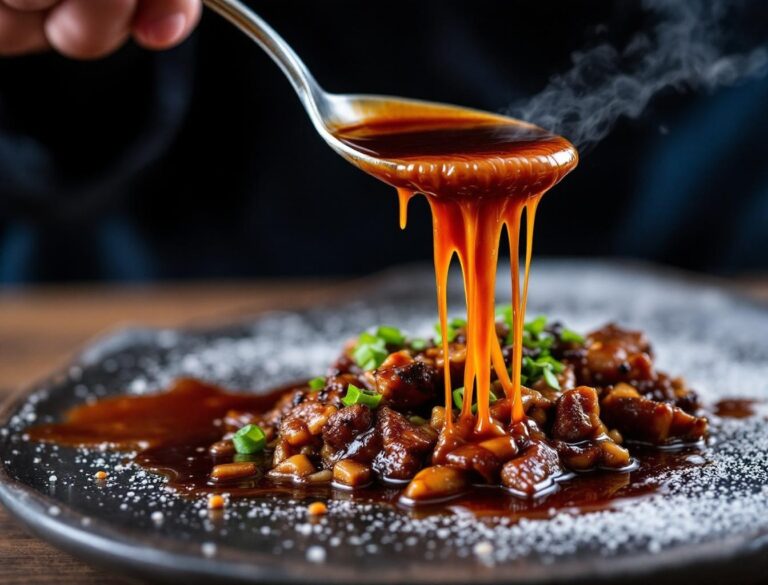
Teriyaki Sauce Guide: The Real Japanese Technique vs the American Version
Table of Contents Toggle The Real Teriyaki: What It Is, What It Isn’t, and How to Do It Right Teriyaki Is a Technique, Not a Sauce The Authentic Japanese Recipe: Three Ingredients The Chemistry Behind the Glaze Traditional Teriyaki Applications Buri no Teriyaki (Yellowtail) Tori no Teriyaki (Chicken) Sake no Teriyaki (Salmon) Gyu Teriyaki (Beef)…
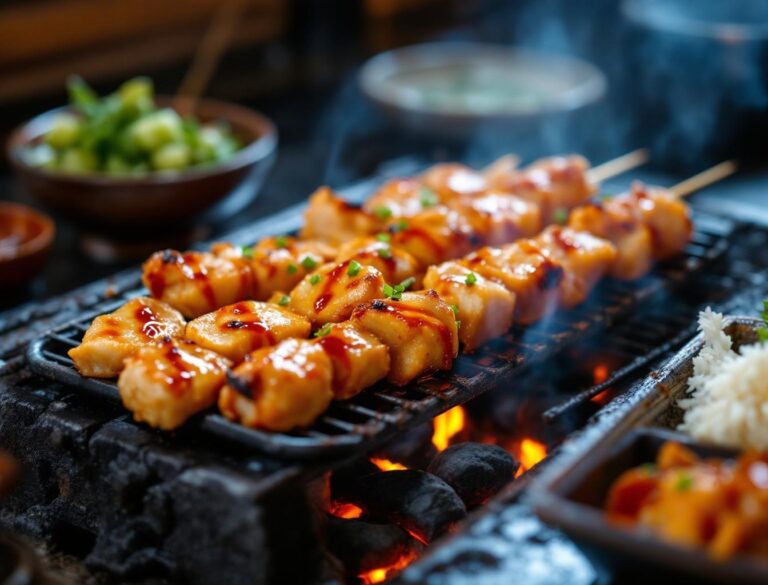
Negima Yakitori: Chicken and Negi Skewers with Homemade Tare
Authentic negima yakitori — chicken thigh and Japanese negi skewered and grilled with a caramelized homemade tare sauce. Negi is not a scallion, and the difference matters.
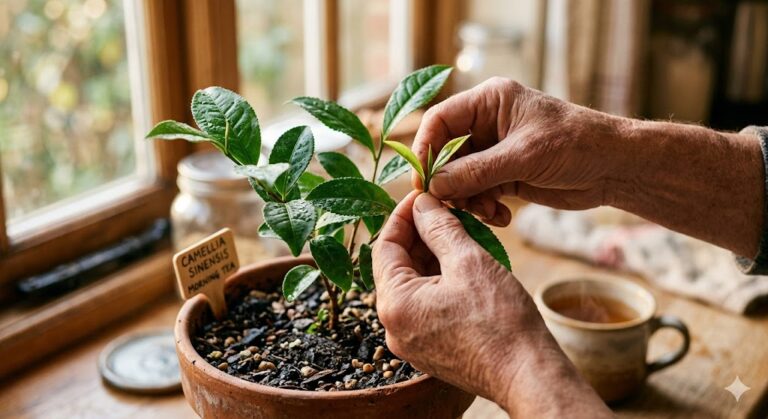
How to Grow Tea Plants at Home
Every cup of tea you’ve ever had started as leaves on a Camellia sinensis plant — a surprisingly hardy, attractive evergreen shrub that grows well in many home garden climates. Growing your own tea plants isn’t just a novelty — it’s a genuinely rewarding way to connect with one of the world’s oldest cultivated beverages…
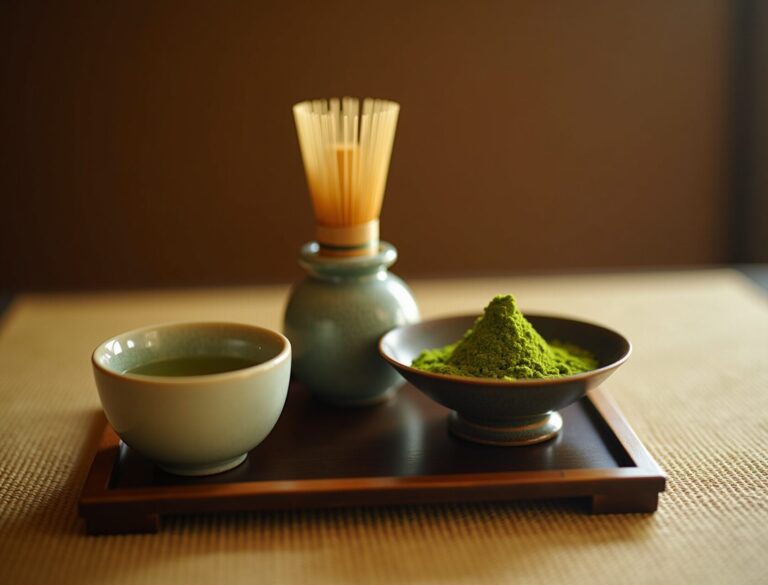
Kabusecha vs Gyokuro: How to Choose the Right Shaded Tea
Both kabusecha and gyokuro are shade-grown Japanese green teas, and both are prized for their sweetness, umami richness, and elevated L-theanine content. But they are not the same tea, and the differences are significant enough to matter when you’re buying. I’ve been drinking both for years, and I think kabusecha is one of the most…