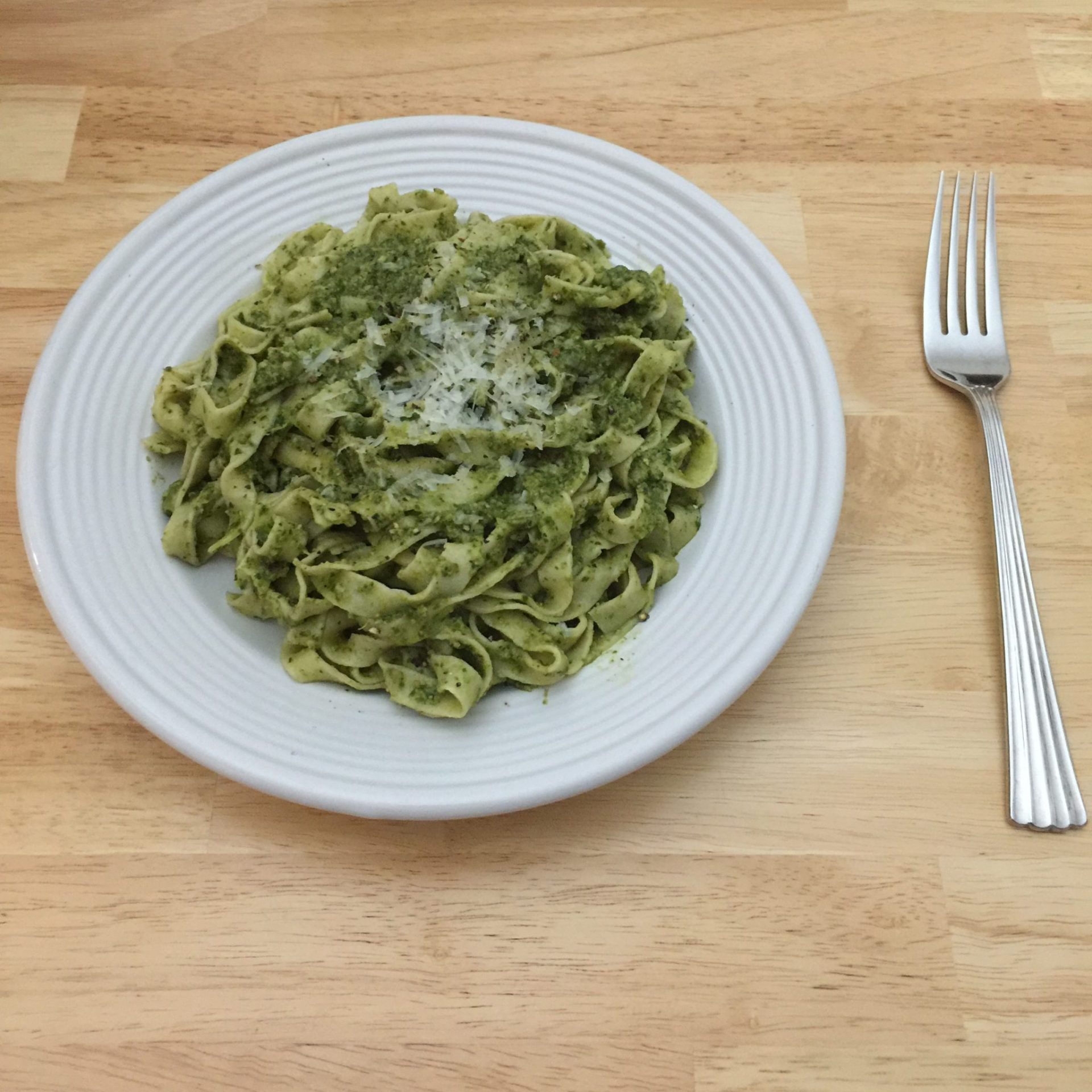
Make Fresh Pasta: Delicious Fettuccine with Arugula Walnut Pesto
Fresh Pasta with Arugula Walnut Pesto: A Japanese-Inspired Culinary Journey
There’s a certain magic that happens in the kitchen when East meets West, a culinary dialogue that transcends borders and creates something truly unique. For us at Alldayieat.com, this isn’t just about recipes; it’s about a philosophy—a deep appreciation for fresh ingredients, meticulous technique, and the profound concept of umami. Today, we embark on a journey to craft a dish that perfectly embodies this spirit: Fresh Pasta with Arugula Walnut Pesto.
Growing up, my grandmother’s kitchen was a sanctuary of aromas. While her specialty was traditional Japanese fare, she always encouraged exploring new flavors. I remember her once telling me, “Good food speaks a universal language, but the best food whispers secrets from its origins.” This dish, with its Italian heart and potential for Japanese whispers, feels like a tribute to her wisdom.
The idea for this particular pesto came to me not from a bustling Italian trattoria, but from a quiet conversation with my mother. She’d discovered an arugula and walnut pesto at a cooking class, a departure from the classic basil, and insisted I try it. Initially, I was skeptical. My palate, trained on the delicate balance of Japanese cuisine, found the idea of a non-basil pesto intriguing but untested. Yet, as often happens, the universe conspired. Soon, food magazines were abuzz with “fancy pestos” sans basil, and I knew it was time to dive in. The result? A revelation. And when paired with the incomparable texture of homemade fresh pasta, it transformed into an experience that truly sings.
Join me as we explore the art of making fresh pasta from scratch and elevate a vibrant pesto with subtle touches inspired by the Japanese culinary tradition. This isn’t just a meal; it’s a meditative process, a connection to ingredients, and a celebration of flavor.
Why Make Fresh Pasta? The Alldayieat Difference
In a world of convenience, the act of making fresh pasta might seem daunting. But for us at Alldayieat, it’s an essential part of the culinary journey, much like preparing dashi from scratch or carefully slicing sashimi. It’s about respect for the ingredients and the transformative power of human touch.
The Unmatched Texture and Flavor of Homemade Fettuccine
If you’ve only ever experienced dried pasta, prepare for a revelation. Fresh pasta, especially homemade fettuccine, possesses a delicate, silken texture and a subtle chewiness that dried varieties simply cannot replicate. It’s lighter, more tender, and has a nuanced flavor that truly shines. This isn’t just a vehicle for sauce; it’s an integral component of the dish, offering a delightful mouthfeel that elevates every bite.
A Meditative Process: Connecting with Your Food
The process of making fresh pasta—from mixing the dough to kneading, resting, and finally rolling it into thin sheets—is deeply meditative. It requires focus, patience, and a tactile connection with your ingredients. Much like the mindful preparation of a traditional Japanese
The Vibrant Heart of the Dish: Arugula Walnut Pesto
While basil pesto is a beloved classic, this arugula walnut version offers a sophisticated, peppery alternative that stands beautifully on its own. It’s a testament to how simple, high-quality ingredients can create profound flavor.
Beyond Basil: The Peppery Kick of Arugula
Arugula, or rocket, brings a distinctive peppery, slightly bitter note that sets this pesto apart. This vibrant green is rich in flavor and adds a wonderful complexity that complements the richness of the walnuts and cheese. Its assertive character ensures the pesto is anything but bland, providing a lively counterpoint to the fresh pasta.
Walnuts vs. Pine Nuts: A Nutty Revelation
Traditional pesto famously uses pine nuts, but walnuts offer a delightful alternative. When lightly toasted, walnuts develop a deeper, earthier flavor and a softer texture that blends beautifully into the pesto. They contribute a rich, buttery quality and a subtle bitterness that harmonizes perfectly with the arugula. Plus, walnuts are often more accessible and budget-friendly than pine nuts.
Crafting Your Pesto: Ingredients & Equipment
The beauty of pesto lies in its simplicity, but the quality of each ingredient is paramount. Think of it like a Japanese broth – each component must be excellent to achieve true harmony.
- Arugula: Choose fresh, vibrant leaves. Wilted arugula will yield a less vibrant color and flavor.
- Walnuts: Toasting them briefly in a dry pan or oven before adding them to the pesto significantly enhances their flavor.
- Garlic: Fresh cloves are essential for that pungent, aromatic kick. Adjust the amount to your preference.
- Parmesan Cheese: Opt for freshly grated Parmigiano-Reggiano for its salty, umami-rich depth. Pecorino Romano can be used for a sharper, tangier profile.
- Extra Virgin Olive Oil: A high-quality, fruity extra virgin olive oil is crucial. It binds the pesto and contributes significantly to its overall flavor.
- Lemon Juice: Freshly squeezed lemon juice adds brightness and cuts through the richness, balancing the flavors.
- Salt and Black Pepper: Season to taste. Freshly ground black pepper offers the best aroma.
- Optional: Red pepper flakes for a subtle heat, if desired.
- Equipment: A food processor makes quick work of pesto. For a more traditional, rustic texture and a meditative experience, a mortar and pestle (or even a Japanese suribachi and surikogi) can be used.
Step-by-Step Pesto Perfection
Creating the perfect pesto involves a few key steps:
- Toasting walnuts: Briefly toast walnuts in a dry pan over medium heat until fragrant, about 3-5 minutes. This deepens their flavor. Let them cool.
- Combining ingredients: In a food processor, combine toasted walnuts, garlic, arugula, and a portion of the Parmesan cheese. Pulse until finely chopped.
- Achieving the ideal texture: With the food processor running, slowly drizzle in the extra virgin olive oil until a smooth, yet slightly coarse, paste forms. Add lemon juice, salt, and pepper, and pulse again to combine. Taste and adjust seasoning as needed. The consistency should be spreadable but not overly oily.
Mastering Homemade Fettuccine: A Step-by-Step Guide
Making fresh pasta is a rewarding culinary endeavor. It’s a skill that, once learned, opens up a world of delicious possibilities. Our focus here is on fettuccine, a classic flat pasta that pairs beautifully with the rich pesto.
Essential Ingredients for Silky Pasta
The beauty of pasta dough lies in its simplicity, requiring just a few core ingredients:
- All-purpose flour: While standard all-purpose flour works well, for a truly authentic Italian texture, consider using “00” flour, which is finely milled and results in a silkier dough.
- Eggs: Fresh, large eggs are the binder and provide richness and color to the pasta.
- Water: Only a tiny splash, if needed, to bring the dough together.
- Salt: A pinch of salt enhances the flavor of the pasta itself.
The Art of Dough Making: Kneading and Resting
This is where the magic truly begins, transforming simple ingredients into a pliable dough.
- Forming the well: On a clean work surface, mound the flour and create a well in the center. Crack the eggs into the well.
- Incorporating eggs: Using a fork, gently whisk the eggs, gradually drawing in flour from the sides of the well until a shaggy dough forms.
- Kneading technique: Gather the dough and begin kneading. This is the most crucial step. Knead for 8-10 minutes by hand (or 5-7 minutes in a stand mixer with a dough hook) until the dough is smooth, elastic, and springs back when poked. This develops the gluten, giving the pasta its characteristic chew.
- Resting the dough: Wrap the kneaded dough tightly in plastic wrap and let it rest at room temperature for at least 30 minutes (or up to 2 hours). This resting period is crucial; it allows the gluten to relax, making the dough much easier to roll and preventing it from snapping back.
Rolling and Cutting: From Dough to Fettuccine Strands
This is where your dough takes its final form. A pasta machine simplifies this greatly, but a rolling pin works too.
- Using a pasta machine: Divide the rested dough into manageable portions. Flatten one portion and feed it through the widest setting of your pasta machine. Fold it in thirds, flatten, and feed it through again. Repeat this 5-6 times. Then, gradually reduce the setting, feeding the dough through each setting once or twice until you reach the desired thickness for fettuccine (usually setting 5 or 6 on most machines).
- Using a rolling pin: If you don’t have a pasta machine, roll the dough as thinly as possible on a lightly floured surface, aiming for a thickness similar to a thin coin.
- Cutting into fettuccine: Once the sheet is rolled, you can either use the fettuccine cutter attachment on your pasta machine or, if cutting by hand, lightly flour the sheet, fold it loosely, and slice it into ¼-inch wide strips.
- Dusting with flour: Immediately dust the cut pasta strands with a little extra flour to prevent them from sticking together. You can coil them into nests or hang them to dry slightly while you prepare the rest.
Cooking Fresh Pasta to Al Dente Perfection
Fresh pasta cooks much faster than dried pasta, so pay close attention!
- Boiling water: Bring a large pot of generously salted water to a rolling boil. The water should taste like the sea.
- Cooking time: Add the fresh pasta to the boiling water. It will typically cook in 2-4 minutes, sometimes even less. It’s ready when it floats to the surface and is al dente – tender with a slight bite.
- Reserving pasta water: Before draining, scoop out about 1 cup of the starchy pasta water. This liquid is gold for emulsifying the sauce and achieving the perfect consistency.
Bringing It All Together: The Arugula Walnut Pesto Pasta Dish
The final act is where the fresh pasta and vibrant pesto unite, creating a harmonious and deeply satisfying meal.
Tossing for Flavor: How to Combine Pasta and Pesto
The key to a well-coated pasta is to combine it with the pesto while both are warm. In a large bowl or directly in the pot where the pasta cooked (off the heat), add the drained fresh pasta to the pesto. Toss vigorously, adding a splash of the reserved pasta water a little at a time until the pesto coats every strand beautifully and forms a light, creamy sauce. The warmth of the pasta will help the pesto emulsify and cling perfectly.
Serving Suggestions & Garnishes
Presentation is key, much like in Japanese cuisine where the visual appeal is as important as the taste.
- Freshly grated Parmesan: A generous sprinkle adds another layer of salty, nutty flavor.
- Toasted walnut pieces: A few extra toasted walnuts provide textural contrast and reinforce the nutty notes.
- Fresh arugula leaves: A small handful of fresh arugula on top adds a final peppery flourish and a pop of color.
- A drizzle of extra virgin olive oil: A final touch of high-quality olive oil enhances the aroma and richness.
- Optional additions: For a more substantial meal, consider adding halved cherry tomatoes, sautéed mushrooms, or even sliced grilled chicken.
Alldayieat’s Japanese Twist: Infusing Umami into Italian Classics
At Alldayieat, we believe in exploring the connections between different culinary traditions. This dish, while Italian in origin, offers wonderful opportunities to subtly enhance its depth with Japanese-inspired elements, particularly through the lens of umami.
The Philosophy of Umami in Pesto
Just as dashi forms the umami backbone of many Japanese dishes, the rich combination of toasted walnuts, pungent garlic, and aged Parmesan in this pesto creates a profound savory depth that resonates with the concept of umami. It’s that satisfying, lingering taste that makes you want another bite. By understanding this, we can consciously amplify it.
Subtle Japanese-Inspired Enhancements
These additions are meant to be subtle, enhancing without overpowering the core Italian character of the dish.
- White Miso Paste: For an extra layer of umami and fermentation complexity, consider adding a tiny amount (e.g., ½ teaspoon) of white miso paste to the pesto. It will deepen the savory notes and add a subtle richness without making the dish taste overtly Japanese. Emphasize subtlety here; a little goes a long way.
- Yuzu Zest: If you desire a brighter, more aromatic pesto with a unique citrus profile, a hint of yuzu zest (instead of or in addition to lemon zest) can be transformative. Yuzu offers a floral, complex citrus note that is distinct from lemon.
- Shichimi Togarashi: For those who appreciate a gentle warmth and aromatic spice, a light sprinkle of shichimi togarashi (Japanese seven-spice blend) as a garnish can be a delightful, adventurous touch. Its blend of chili, orange peel, sesame, and other spices complements the peppery arugula beautifully.
Pairing with Japanese Beverages
Elevate your dining experience by considering beverage pairings beyond the usual wine.
- Sake: A dry sake, such as a crisp Junmai or Honjozo, with its subtle fruity and umami notes, can beautifully complement the richness of the pesto and the freshness of the pasta.
- Green
Tea : For a non-alcoholic option, a robust hojicha (roasted greentea ) or a sencha can offer a refreshing counterpoint, cleansing the palate with its earthy, slightly nutty flavors.
Tips for Success & Troubleshooting
Even seasoned cooks encounter challenges. Here are some common issues and how to navigate them.
Common Pasta Making Mistakes and How to Fix Them
- Dough too sticky: If your dough is too sticky after kneading, add a tiny bit more flour, a tablespoon at a time, until it reaches the right consistency.
- Dough too dry/crumbly: If the dough is too dry, add a few drops of water, kneading until it comes together.
- Dough tearing when rolling: This usually means the gluten hasn’t relaxed enough. Wrap it tightly and let it rest for another 15-30 minutes.
- Pasta sticking together: Ensure you generously flour your pasta strands immediately after cutting. Cook in plenty of boiling, salted water.
Pesto Too Thick/Thin? Adjusting Consistency
- Pesto too thick: Add a tablespoon of olive oil or a splash of the reserved pasta water, blending until it reaches your desired consistency.
- Pesto too thin: This is harder to fix. If it’s only slightly thin, adding more grated Parmesan can help. Otherwise, you might need to add a few more walnuts or arugula leaves and pulse again.
Storing Leftovers: Pesto and Cooked Pasta
- Pesto: Store leftover pesto in an airtight container in the refrigerator for up to 5-7 days. Pour a thin layer of olive oil over the surface to prevent oxidation and keep its vibrant green color. Pesto can also be frozen in ice cube trays, then transferred to a freezer bag for up to 3 months.
- Cooked Pasta: Cooked fresh pasta is best enjoyed immediately. If you have leftovers, store them in an airtight container in the refrigerator for 1-2 days. Reheat gently, perhaps with a little extra pesto or a splash of water, as it can become quite soft.
Frequently Asked Questions (FAQs)
Can I make this pesto vegan?
Absolutely! To make the pesto vegan, simply substitute the Parmesan cheese with an equal amount of nutritional yeast. Nutritional yeast provides a cheesy, umami flavor that works wonderfully in pesto. Ensure your pasta is also egg-free if you’re making it from scratch, or use a store-bought vegan fresh pasta.
What other pasta shapes work well?
While fettuccine is fantastic, this pesto also pairs beautifully with other flat pasta shapes like tagliatelle or wider pappardelle. Its robust texture can also stand up to short, hearty shapes like penne or rigatoni, especially if you prefer a chunkier pesto.
How long does homemade pasta last?
Fresh pasta can be stored in a few ways:
- Refrigerated: Freshly made pasta (lightly floured and coiled into nests) can be stored in an airtight container in the refrigerator for 1-2 days.
- Frozen: For longer storage, you can freeze fresh pasta. Arrange the nests on a baking sheet and freeze until solid, then transfer to a freezer-safe bag. It will keep for up to 1 month. Cook directly from frozen in boiling water, adding a minute or two to the cooking time.
- Dried: You can also air-dry fresh pasta completely (this takes several hours or overnight, depending on humidity) and store it in an airtight container at room temperature for several weeks.
Can I freeze the pesto?
Yes, pesto freezes very well! To freeze, spoon the pesto into ice cube trays and freeze until solid. Once frozen, pop the pesto cubes out and transfer them to a freezer-safe bag or container. It will keep for up to 3 months. Thaw in the refrigerator or add directly to warm pasta, allowing it to melt and coat the noodles.
PrintArugula Walnut Pesto
- Prep Time: 15 minutes
- Total Time: 15 minutes
- Yield: 4 people 1x
- Category: Main Dish
- Cuisine: Italian, New American
Ingredients
- 4 cloves garlic
- 2/3 cup walnuts (toasted)
- 5 cups packed arugula
- 1/2 cup flat-leaf parsley (chopped)
- 1/2 cup extra-virgin olive oil
- 2/3 cup Pecorino Romano cheese (grated)
- 2 Tablespoons sherry vinegar (+more to taste )
- 1 whole lemon (zested and juiced)
- salt to taste
- freshly ground black pepper
- 1 pound fresh fettuccinne
Instructions
- Measure out and combine the garlic, walnuts, arugula and parsley in a food processor and chop thoroughly.
- Add olive oil to process even more until it resembles a pesto.
- In a large bowl, mix the greens just processed with the cheese, vinegar, lemon zest and juice until just combined. Add salt and pepper to taste.
- Prepare fresh fettuccine noodles and reserve at least a cup of pasta water.
- Once noodles have cooked, drain. In the hot pot, return cooked noodles one serving at a time and mix with a dollop of the pesto. Add the pasta water to thin pesto as needed.Serve immediately with more grated Pecorino romano and cracked pepper.
Notes
Consider adding additional vinegar if you feel the flavor needs a little more pop. I tried adding a splash of lemon juice and a dash of the vinegar on two different occasions. I think the vinegar is what really makes this dish a winner.

I love pesto! My grandmother taught my family how to make homemade pasta. I will need to try this recipe soon the next time we make homemade pasta
thank you! let me know how it goes!! 🙂
wow! This is amazing!
Thanks for the note!!! 😀
thanks for the note!! 😀
Straight drooling! Yumm!!
Yessss!! Despite eating it everyday here in Italy i cant wait to make more pasta when i get home!!!
Yes, I’m salivating because I love pesto! I make one with kale and walnuts. Great recipe. 🙂
Oo that sounds good, i may have to try that ! ?
That looks utterly delicious!
Indeed indeed!!!