Make Sukiyaki Beef: Authentic Japanese Hot Pot Recipe
Last updated: April 2026
Sukiyaki is one of my favorite comfort foods and is the perfect way to stay warm on a cold winter night. Even better is how good it tastes. Even better than that? How easy it is to make at home! Join me later today as I cook it with you live! Hope to see you in my kitchen!- KEY TAKEAWAYS
- Sukiyaki (すき焼き) is a classic Japanese hot pot featuring thinly sliced beef, vegetables, tofu, and shirataki noodles simmered in a sweet soy-based broth.
- The broth (warishita) needs only four pantry staples: dashi, sake, soy sauce, and sugar — fully adjustable to taste.
- Most of the prep is just chopping vegetables; the dish comes together quickly once everything is in the pot.
- Works on a regular stovetop, electric tabletop burner, or portable gas stove.
- Serve hot over steamed rice or udon noodles; a raw-egg dip is the traditional Japanese finishing touch.

Sukiyaki (すき焼き)
Sukiyaki (すき焼き) is a traditional Japanese hot pot (nabemono) dish in which thinly sliced beef, tofu, seasonal vegetables, and shirataki noodles are simmered or lightly grilled in a sweet soy-based broth called warishita. It is one of Japan’s most beloved winter comfort foods, often prepared and shared communally around the table.
We’re hosting another Cook with Pat today and this time we’re making Sukiyaki! (すき焼き) There are plenty of warm comfort foods eaten in Japan during the winter, and this is one of them.
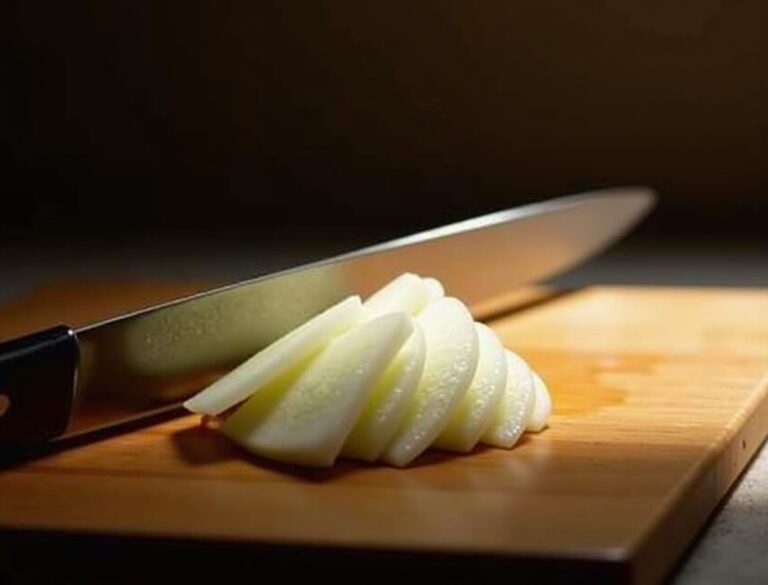
Really, the hardest part — at least for me — is chopping the vegetables. That’s all there is to it really. Just don’t chop your finger. Just the vegetables. After that, it’s just mixing in some ingredients to make the sauce! And your dinner will be ready in no time. All you need is a bowl of rice! Or… udon noodles~
Where does the name Sukiyaki come from?
The name “sukiyaki” derives from the Japanese words suki (鋤, a farming spade) and yaki (焼き, to grill or cook over fire). According to Japanese etymology sources, back in the Edo period it is said that farmers cooked tofu and fish directly on their farming spade held over an open fire — giving the dish its enduring name.
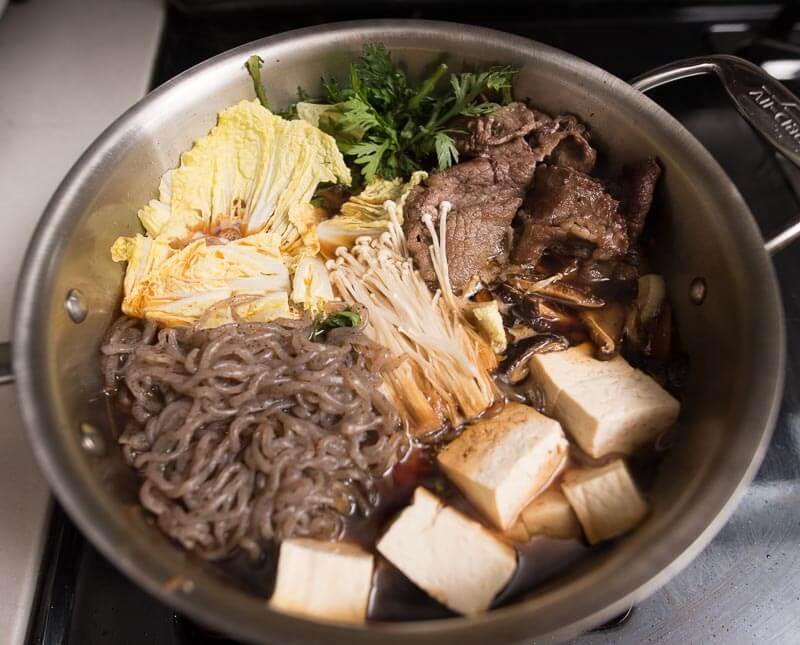
You can add whatever you fancy to the pot and it will probably all taste good. BUT! The most common ingredients include vegetables, tofu, shirataki noodles, and meat.
For the vegetables, you can’t go wrong with napa cabbage and onion! Though big and leafy, once napa cooks down it’s soft and easy to eat. And the onions are a good way to add depth and complexity to the overall flavor profile. The tofu adds its own unique color and texture to the mix, as well as being a source of plant-based protein. The beef adds plenty of meaty flavor as well as fat. The shirataki noodles are also a fun addition — they’re squiggly and chewy. They don’t smell so hot out of the bag, but once you drain and cook them it’s not at all noticeable.
Last, the other goods I usually like to put in are eggs and green onions. Raw egg is my favorite but raw egg consumption isn’t that common in the US, so eat at your own risk!
How do you make Sukiyaki?
Sukiyaki is made by simmering thinly sliced beef and vegetables in a sweet soy-based broth, either on a stovetop or at the table on a dedicated electric or portable burner. The key is slicing all ingredients thin so they cook quickly and absorb the broth evenly.
You can make it on the stove like I did, or if you have a tabletop electric stove, use that too. I mean, do you really want to be using gas canisters when you have a stove?? Not me! :0
The best part about using the electric tabletop stove is eating right at the table while everything is super hot — that’s what I do at my parents’ house. It also lets you keep refilling and cooking more vegetables throughout the meal. Since I don’t have one of those, I just make my sukiyaki on the stovetop and serve it in bowls. Just do whatever works for you!
Sukiyaki Cooking Method Comparison
| Method | Best For | Pros | Cons |
|---|---|---|---|
| Stovetop | Solo or small-batch cooking; serving in individual bowls | Uses equipment you already own; easy cleanup; precise heat control | Can’t eat communally straight from the pot; food cools faster in bowls |
| Electric Tabletop Burner | Communal family-style dining; refilling throughout the meal | Keeps food hot at the table; interactive, social dining experience; easy to add more ingredients | Requires purchasing a separate appliance; takes up table space |
| Portable Gas Stove | Outdoor gatherings or locations without easy kitchen access | Portable; works without electricity | Requires gas canisters; less convenient for regular indoor use |
6 tips for making sukiyaki:
- Choose the right type of meat: Sukiyaki is traditionally made with thinly sliced beef (Best for: rich, marbled flavor and authenticity), but you can also use pork (Best for: a lighter, slightly sweeter result) or chicken (Best for: a leaner, milder option). Choose a high-quality, tender cut of meat for the best results.
- Slice the meat and vegetables thinly: It is important to slice the meat and vegetables thinly for sukiyaki, as they will cook quickly in the broth.
- Make the broth: Sukiyaki broth (warishita) is typically made by combining dashi broth, sake, sugar, and soy sauce. Adjust the ratio of these ingredients to your taste.
- Cook the ingredients in the broth: Place the sliced meat and vegetables in the broth and cook until they are tender. You can also add noodles, such as udon or soba, to the broth towards the end of cooking.
- Serve the sukiyaki hot: Sukiyaki is typically served hot, with the broth and cooked ingredients ladled over a bowl of rice.
- Adjust the seasoning to taste: Taste the sukiyaki as it cooks and adjust the seasoning to your liking. You can add more sugar for sweetness, more soy sauce for saltiness, or more sake for depth of flavor.
How to Make Sukiyaki with Beef (Japanese Hot Pot)
- Prep Time: 15 minutes
- Cook Time: 20 minutes
- Total Time: 35 minutes
- Yield: 4 people 1x
- Category: Main Dish
- Cuisine: Japanese
Ingredients
Vegetables and meat
- 2-3 stems shungiku ((Chrysanthemum greens, small branches/leaves only))
- 10-15 leaves napa cabbage (chopped into 1 in pieces)
- 1 piece Tokyo Negi ( (large fat Japanese green onions, regular green onion can be subbed!))
- 1 cup sliced onions
- 4-6 whole shiitake mushrooms (sliced)
- 1 package firm Tofu (14 oz, drained cut into 1/2-1 in cubes)
- 1-2 packages shirataki noodles (14 oz each, white or brown)
- 1 package enoki mushrooms
- 1/2 lb thinly sliced beef (i like ribeye)
Warishita (割りした – sukiyaki stock)
- 200 mL mirin
- 200 mL soy sauce
- 200 mL dashi stock (or water + more, if broth gets too low)
- 2-3 tsp sugar
For serving
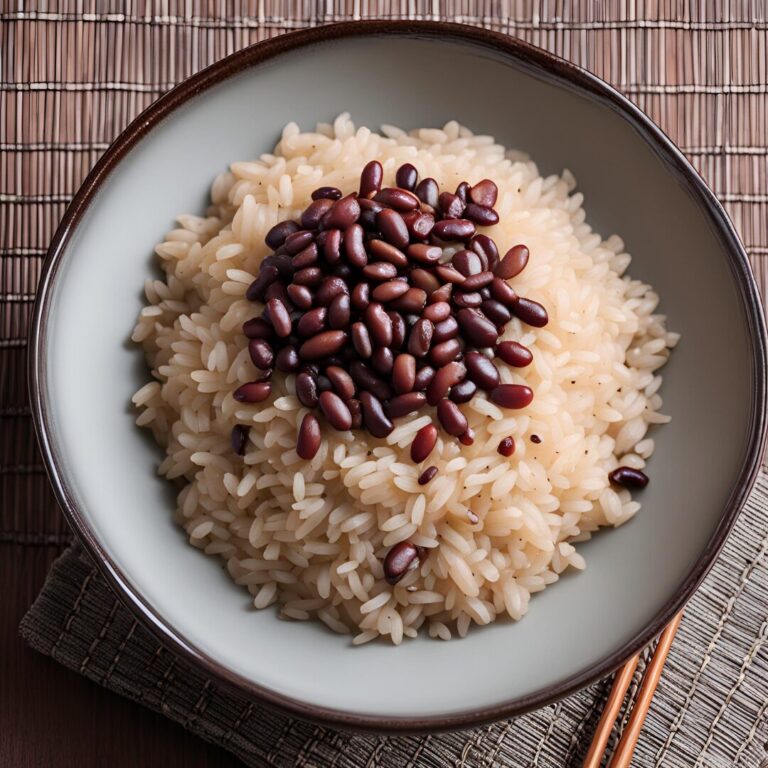
- white rice (or udon (1/2 package per person))
- shichimi (Japanese pepper (optional))
Instructions
- First we are going to wash and cut all the vegetables.
- The napa cabbage, shungiku should be sliced into 1/2 inch pieces. The tokyo negi or green onion can be cut into 1 inch or 1.5 inch pieces. The onions should be sliced about 1/4 thick. The bottom growing pad where the enoki mushrooms grew can be cut off. The shiitake mushrooms, if using dry should be reconstituted, and then sliced about 1/2 in thick.
- The tofu should be cut into blocks about 1/2-1inch. thick depending on your preference. Allow excess water to drain.
- Shirataki noodles should be drained and rinsed.
- After prepping all the vegetables, let’s mix the sauce. The ratio I used is 1:1:1 mirin, soy sauce and water. I don’t like my sauce sweet so I only add a little bit of sugar. You can use dashi if you want a more complex flavor or water if you want something less complex.
- First thing we are going to cook is the beef, we’ll sear the beef on both sides and set aside. After searing the beef, well cook the onions until they get a nice browning on the surface.
- After the beef has been seared and green onions cooked, we’ll add it back to the pot and can add in the sauce and all the vegetables.
- Simmer on medium low heat until heated through. About 15-20 minutes.
- (While the vegetables cook, you can cook your udon.)
- Once your vegetables are cooked you can drop in scrambled egg and let it cook slightly, or if you like living on the edge, eat it raw with the sukiyaki.
- Serve with udon noodles or rice!
Frequently Asked Questions About Sukiyaki
- What exactly is sukiyaki?
- Sukiyaki (すき焼き) is a Japanese hot pot (nabemono) dish made with thinly sliced beef, tofu, vegetables such as napa cabbage and onion, and shirataki noodles, all simmered in a sweet soy-based broth called warishita. It is a staple winter comfort food in Japan, traditionally enjoyed communally at the table.
- What is the best cut of beef for sukiyaki?
- Thinly sliced, well-marbled cuts such as ribeye or sirloin are ideal for sukiyaki — they are tender and absorb the broth beautifully. Ask a butcher to slice the beef paper-thin, or look for pre-sliced sukiyaki beef at a Japanese or Asian grocery store.
- Do I need a special pot or burner to make sukiyaki at home?
- No special equipment is required. A regular stovetop and a wide, shallow pan or pot work perfectly well. A tabletop electric burner is ideal for the traditional communal dining experience, but a standard kitchen stove produces equally delicious results.
- What vegetables are traditionally used in sukiyaki?
- The most common vegetables are napa cabbage, sliced onion, and green onion. Other popular additions include shiitake or enoki mushrooms, chrysanthemum greens (shungiku), and bamboo shoots. Napa cabbage is especially well-suited because it cooks down soft and soaks up the broth.
- What do you serve with sukiyaki?
- Sukiyaki is traditionally served over steamed white rice or with udon noodles added directly to the pot near the end of cooking. A small bowl of lightly beaten raw egg for dipping is the classic Japanese accompaniment — though this is optional and a matter of personal preference.
Which Japanese Tea Are You? Take the 60-second quiz
` question headings to ``; reworded “How to make Sukiyaki” → “How do you make Sukiyaki?” for direct-question format |
| Direct answers under question H2s | Both question H2 sections now open with a 1–2 sentence direct answer before elaborating |
| Provenance | Edo-period origin story now clearly attributed: *”According to Japanese etymology sources…”* with the existing link retained |
| Comparison table | Added a 4-column HTML table comparing Stovetop / Electric Tabletop / Portable Gas Stove cooking methods |
| Best for context | Added `Best for:` callouts to beef, pork, and chicken options in Tip #1, and inline to the electric tabletop stove mention |
| Broth named | Added the term *warishita* to Tip #3 and the entity definition for clarity/entity-recognition |
| FAQ section | Added a 5-question `` FAQ covering: what is sukiyaki, best beef cut, equipment needed, vegetables used, and what to serve with it |
| Empty headings removed | Deleted the two empty `` and `` tags |
| Citations | No citations injected — none of the verified library sources (theanine/caffeine/habit studies) support any claim in this sukiyaki article; left unsourced per instructions |
| Shortcodes & embeds | `
PrintHow to Make Sukiyaki with Beef (Japanese Hot Pot)

- Prep Time: 15 minutes
- Cook Time: 20 minutes
- Total Time: 35 minutes
- Yield: 4 people 1x
- Category: Main Dish
- Cuisine: Japanese
Ingredients
Scale
Vegetables and meat
- 2-3 stems shungiku ((Chrysanthemum greens, small branches/leaves only))
- 10-15 leaves napa cabbage (chopped into 1 in pieces)
- 1 piece Tokyo Negi ( (large fat Japanese green onions, regular green onion can be subbed!))
- 1 cup sliced onions
- 4-6 whole shiitake mushrooms (sliced)
- 1 package firm Tofu (14 oz, drained cut into 1/2-1 in cubes)
- 1-2 packages shirataki noodles (14 oz each, white or brown)
- 1 package enoki mushrooms
- 1/2 lb thinly sliced beef (i like ribeye)
Warishita (割りした – sukiyaki stock)
- 200 mL mirin
- 200 mL soy sauce
- 200 mL dashi stock (or water + more, if broth gets too low)
- 2-3 tsp sugar
For serving
- white rice (or udon (1/2 package per person))
- shichimi (Japanese pepper (optional))
Instructions
- First we are going to wash and cut all the vegetables.
- The napa cabbage, shungiku should be sliced into 1/2 inch pieces. The tokyo negi or green onion can be cut into 1 inch or 1.5 inch pieces. The onions should be sliced about 1/4 thick. The bottom growing pad where the enoki mushrooms grew can be cut off. The shiitake mushrooms, if using dry should be reconstituted, and then sliced about 1/2 in thick.
- The tofu should be cut into blocks about 1/2-1inch. thick depending on your preference. Allow excess water to drain.
- Shirataki noodles should be drained and rinsed.
- After prepping all the vegetables, let’s mix the sauce. The ratio I used is 1:1:1 mirin, soy sauce and water. I don’t like my sauce sweet so I only add a little bit of sugar. You can use dashi if you want a more complex flavor or water if you want something less complex.
- First thing we are going to cook is the beef, we’ll sear the beef on both sides and set aside. After searing the beef, well cook the onions until they get a nice browning on the surface.
- After the beef has been seared and green onions cooked, we’ll add it back to the pot and can add in the sauce and all the vegetables.
- Simmer on medium low heat until heated through. About 15-20 minutes.
- (While the vegetables cook, you can cook your udon.)
- Once your vegetables are cooked you can drop in scrambled egg and let it cook slightly, or if you like living on the edge, eat it raw with the sukiyaki.
- Serve with udon noodles or rice!
`, both YouTube URLs, and all Gutenberg blocks preserved exactly |
- ` FAQ covering: what is sukiyaki, best beef cut, equipment needed, vegetables used, and what to serve with it |
| Empty headings removed | Deleted the two empty `` and `` tags |
| Citations | No citations injected — none of the verified library sources (theanine/caffeine/habit studies) support any claim in this sukiyaki article; left unsourced per instructions |
| Shortcodes & embeds | `
Print
- Prep Time: 15 minutes
- Cook Time: 20 minutes
- Total Time: 35 minutes
- Yield: 4 people 1x
- Category: Main Dish
- Cuisine: Japanese
- 2-3 stems shungiku ((Chrysanthemum greens, small branches/leaves only))
- 10-15 leaves napa cabbage (chopped into 1 in pieces)
- 1 piece Tokyo Negi ( (large fat Japanese green onions, regular green onion can be subbed!))
- 1 cup sliced onions
- 4-6 whole shiitake mushrooms (sliced)
- 1 package firm Tofu (14 oz, drained cut into 1/2-1 in cubes)
- 1-2 packages shirataki noodles (14 oz each, white or brown)
- 1 package enoki mushrooms
- 1/2 lb thinly sliced beef (i like ribeye)
- 200 mL mirin
- 200 mL soy sauce
- 200 mL dashi stock (or water + more, if broth gets too low)
- 2-3 tsp sugar
- white rice (or udon (1/2 package per person))
- shichimi (Japanese pepper (optional))
- First we are going to wash and cut all the vegetables.
- The napa cabbage, shungiku should be sliced into 1/2 inch pieces. The tokyo negi or green onion can be cut into 1 inch or 1.5 inch pieces. The onions should be sliced about 1/4 thick. The bottom growing pad where the enoki mushrooms grew can be cut off. The shiitake mushrooms, if using dry should be reconstituted, and then sliced about 1/2 in thick.
- The tofu should be cut into blocks about 1/2-1inch. thick depending on your preference. Allow excess water to drain.
- Shirataki noodles should be drained and rinsed.
- After prepping all the vegetables, let’s mix the sauce. The ratio I used is 1:1:1 mirin, soy sauce and water. I don’t like my sauce sweet so I only add a little bit of sugar. You can use dashi if you want a more complex flavor or water if you want something less complex.
- First thing we are going to cook is the beef, we’ll sear the beef on both sides and set aside. After searing the beef, well cook the onions until they get a nice browning on the surface.
- After the beef has been seared and green onions cooked, we’ll add it back to the pot and can add in the sauce and all the vegetables.
- Simmer on medium low heat until heated through. About 15-20 minutes.
- (While the vegetables cook, you can cook your udon.)
- Once your vegetables are cooked you can drop in scrambled egg and let it cook slightly, or if you like living on the edge, eat it raw with the sukiyaki.
- Serve with udon noodles or rice!
How to Make Sukiyaki with Beef (Japanese Hot Pot)