Miso Soup Without Dashi: 5 Plant-Based Alternatives That Actually Work
Traditional miso soup relies on dashi — a Japanese broth made from dried bonito fish flakes and kombu seaweed. It’s delicious, but it’s also not vegetarian, not vegan, and often a stumbling block for people new to Japanese cooking who don’t keep dashi on hand.
The good news: you don’t need it. A deeply satisfying bowl of miso soup is entirely achievable without bonito-based dashi — whether you’re vegan, vegetarian, or simply don’t have dashi in your pantry right now. The key is understanding where traditional dashi’s umami comes from, and how to replicate that savory depth with plant-based alternatives.
What Is Dashi and Why Does It Matter?
Dashi (出汁) is Japan’s foundational soup stock — the umami backbone of miso soup, ramen broth, and countless other dishes. Traditional awase dashi combines two sources of umami: kombu seaweed (rich in glutamates) and katsuobushi bonito flakes (rich in inosinate nucleotides). Together, these compounds interact synergistically to create a savory depth that is dramatically greater than either ingredient alone.
When you make miso soup without dashi, you’re not making an inferior soup — you’re making a different but equally valid version rooted in a real Japanese culinary tradition: Shojin Ryori, the strictly plant-based cooking of Zen Buddhist monks.
The Golden Rule of Miso Soup (That Most People Break)
Never boil most miso pastes. This is the single most important technique in miso soup. The exception: robust bean miso (豆味噌 — Hatcho-style red miso) can actually be simmered to deepen its flavor. For white, yellow, and standard red miso, keep it below boiling.
Miso is a living fermented paste — it contains beneficial bacteria, enzymes, and delicate volatile flavor compounds that are destroyed by boiling. Always bring your broth to a simmer, remove from heat (or lower to the lowest flame), and then whisk the miso in. It should never actually boil once the miso has been added.
The Best Dashi Substitutes for Miso Soup
1. Kombu-Only Dashi (Best Vegan Option)
Kombu (dried kelp) is the kombu half of traditional dashi — and it alone provides significant umami through its naturally high glutamic acid content. Cold-brew kombu dashi is nearly effortless: simply soak a 4-inch piece of dried kombu in 2–3 cups of cold water for 20–30 minutes (or overnight in the refrigerator for deeper flavor). Remove the kombu before adding miso.
The result is lighter than awase dashi but has a clean, oceanic savoriness that works beautifully with miso. This is the base used in authentic Shojin Ryori (Zen vegetarian temple cooking).
2. Dried Shiitake Mushroom Broth (Richest Umami)
Dried shiitake mushrooms are extraordinarily high in glutamates and guanylate — the same umami compound found in Parmesan and dried mushrooms worldwide. Soak 2–3 dried shiitake in 2 cups of warm water for 20 minutes, then use the soaking liquid as your broth. The mushrooms themselves become a delicious soup ingredient (slice and add directly to the bowl).
Shiitake dashi is darker, earthier, and more assertive than kombu dashi. It stands up well to heartier miso varieties like red or barley miso.
3. Kombu + Shiitake Combination (Best of Both)
Cold-brew kombu and dried shiitake mushrooms together overnight — this is the vegetarian equivalent of awase dashi. The kombu’s glutamates and the shiitake’s guanylates create the same synergistic umami amplification that makes bonito-kombu dashi so powerful. This is the approach used in high-end vegetarian Japanese restaurants.
4. Light Vegetable Stock
A mild, unseasoned vegetable stock works as a quick substitute — but choose carefully. Stocks with strong onion, celery, or herb flavors will compete with the miso’s flavor profile and produce a soup that doesn’t taste Japanese. Look for stocks with minimal seasoning, or make a simple one from onion, carrot, and a strip of kombu.
5. Just Water (With Good Miso)
Don’t underestimate this option. High-quality, traditionally fermented miso paste already contains enormous complexity — it’s been fermenting for months or years and carries its own deep umami. With good miso (especially aged varieties), plain water produces a very acceptable soup. Add dried wakame seaweed and silken tofu, and you have a legitimate weeknight miso soup in under 5 minutes.
Shojin Ryori: The Buddhist Tradition Behind Dashi-Free Miso Soup
Shojin Ryori (精進料理) is the strict vegetarian cooking of Zen Buddhist monks, practiced in Japan for over a thousand years. It excludes not just meat and fish, but also dairy, eggs, and — uniquely — pungent plants like garlic, onions, leeks, and chives. These “five pungent roots” (gokun) are avoided because they’re believed to excite the senses and disturb meditative peace.
In Shojin Ryori, miso soup is made with kombu-only or kombu-shiitake dashi, making it the original “miso soup without bonito dashi.” If you want the most authentic approach to vegetarian miso soup, this centuries-old tradition has already solved the problem elegantly.
Best Miso Varieties to Use
The type of miso you choose shapes the entire soup:
| Miso Type | Flavor | Best With |
|---|---|---|
| White miso (shiro) | Sweet, mild, delicate | Tofu, clams, light vegetables; pairs beautifully with kombu dashi |
| Yellow miso (shinshu) | Balanced, all-purpose | Any ingredients; the everyday workhorse |
| Red miso (aka) | Bold, robust, deeply savory | Root vegetables, mushrooms, potatoes; excellent with shiitake dashi |
| Barley miso (mugi) | Earthy, complex, slightly sweet | Hearty soups with mushrooms and root vegetables |
Add-Ins: Building a Complete Bowl
Without the distraction of strong bonito flavor, plant-based miso soup lets the add-ins shine. Some of the best:
- Silken tofu — Cubed and added at the very end (it’s already soft, just needs to warm through)
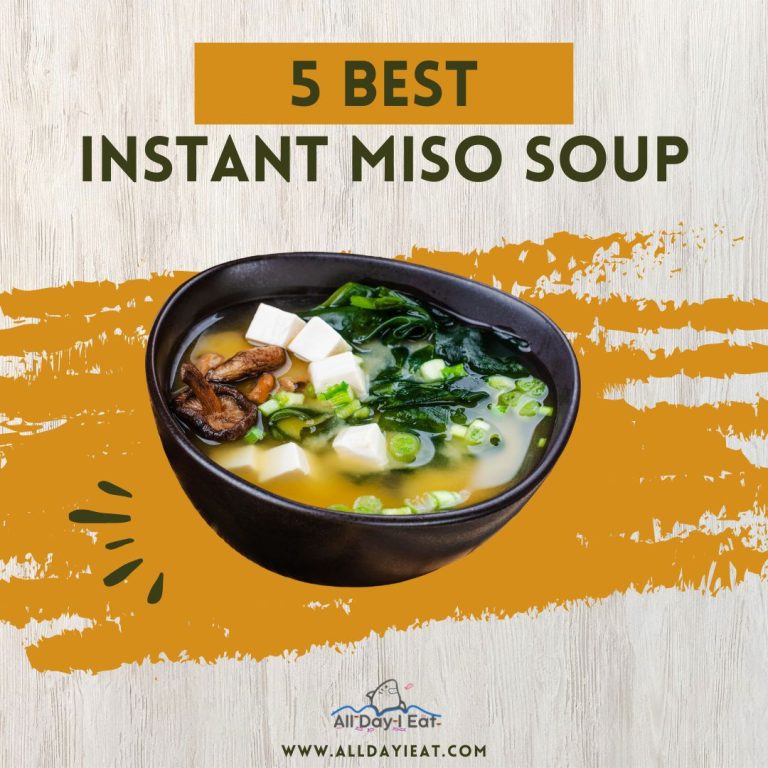
- Dried wakame seaweed — Rehydrates in the hot broth in about 2 minutes; adds umami and a satisfying texture
- Reconstituted shiitake mushrooms — From your dashi; slice them and add to the soup
- Thin-sliced daikon or turnip — Simmer until just tender; sweet and mild
- Napa cabbage or bok choy — Wilts beautifully in the broth; adds body
- Soba noodles — For a heartier meal: cook separately, add to bowls, ladle soup over
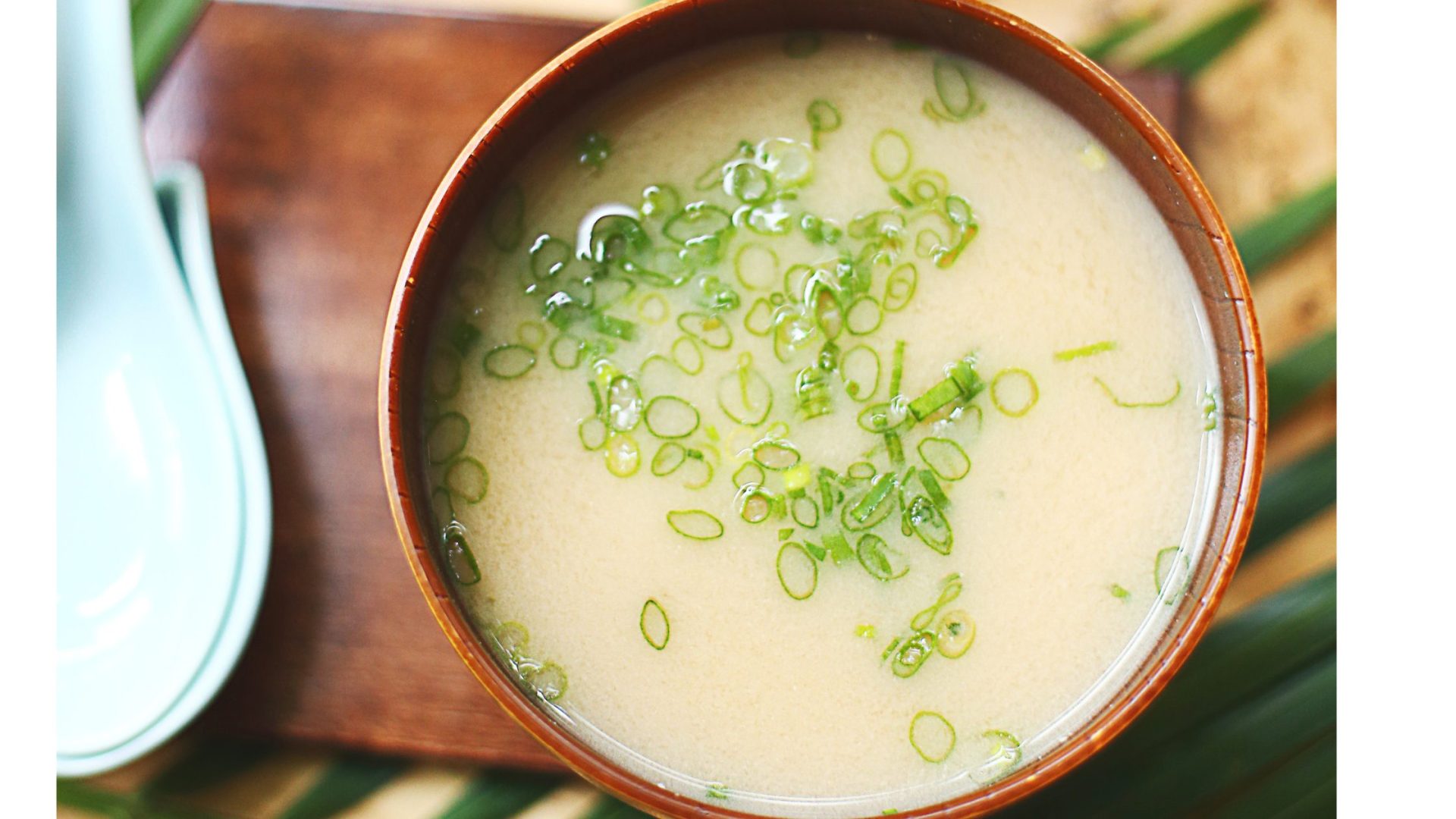
- Green onions (scallions) — The classic finish; add right before serving
- Sesame seeds — A sprinkle adds nutty flavor and visual appeal
The “Umamification” Principle: Making It Taste As Good As the Original
Researchers studying plant-based diets have identified a concept called “umamification” — using umami-rich ingredients to make plant foods taste deeply satisfying without animal products. In miso soup without dashi, your best umamification tools are:
- Soy sauce — A few drops added to your broth before the miso deepens the savory base
- Nutritional yeast — A tablespoon adds a cheesy, savory depth that works well with red miso
- Tomato paste — Unconventional but effective; a tiny amount (1/4 teaspoon) adds glutamates without tasting like tomato
- Dried porcini mushrooms — Steep one dried porcini in your water for a deeply savory Western-Japanese hybrid
- White wine or sake — A splash adds complexity and depth
Frequently Asked Questions
Is miso soup without dashi still authentic?
Absolutely. Japanese Buddhist monks have made miso soup without bonito dashi for over a thousand years in the Shojin Ryori tradition. Kombu-only or kombu-shiitake dashi is entirely authentic — it predates the widespread use of katsuobushi in home cooking.
Can I just use water instead of dashi?
Yes, especially if you’re using a high-quality, complex miso paste. The miso carries enormous flavor on its own. Add dried wakame for extra umami and the soup will be genuinely good. Adding a strip of kombu to the water while it heats takes the umami up significantly at minimal effort.
How much miso paste per cup of broth?
The standard ratio is 1 tablespoon of miso paste per cup (240ml) of broth. Adjust to taste — red miso is more intense than white, so you might use slightly less. Always dissolve the miso in a small amount of warm broth before stirring it into the pot to avoid lumps.
What’s the difference between kombu and nori?
Kombu is a thick, dark kelp used for making broth — it’s not meant to be eaten in large quantities and has a subtle oceanic flavor when brewed. Nori is the thin, toasted seaweed sheets used for sushi rolls and onigiri. They’re not interchangeable for dashi purposes — kombu is what you want.
Can I meal prep this miso soup?
Partially. You can make the broth ahead and refrigerate it for up to 3 days. But don’t add the miso until just before serving — miso paste should be added fresh each time you heat up the soup to preserve its flavor and beneficial enzymes. The broth base can also be frozen for up to 1 month.