
Mujaddara Recipe: Lentils, Rice, Fried Onions & Spiced Yogurt
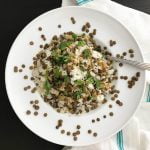
Mujaddara (lentils and rice) with Fried Onions and Spiced Yogurt
- Prep Time: 20 minutes
- Cook Time: 1 hour
- Total Time: 1 hour 20 minutes
- Yield: 4 people 1x
- Category: Main Dish
- Cuisine: Middle Eastern
Ingredients
Units
Scale
- For the Mujaddara
- 3/4 cup green lentils
- 1/2 teaspoon salt
- 1 cup jasmine rice
- 3 tablespoons butter (divided)
- 6 tablespoons olive oil (divided+ more for caramelizing the onions as needed)
- 6 cups onions (thinly sliced, about 3 medium onions)
- For the yogurt
- 1/2 cup Plain full fat Greek yogurt (i used Greek Gods)
- 1/2 teaspoon cinnamon
- 1/2 teaspoon cumin (freshly ground (if possible))
- 1/2 teaspoon coriander (freshly ground)
- 1/2 teaspoon smoked paprika
- 3 tablespoons fresh spearmint (chopped )
- Juice and zest of half a lemon
- 1/4 teaspoon salt
- lemon wedges (for serving)
- parsley (to garnish)
Instructions
- First caramelize the onions in 2 or 3 batches. (If you have a large pan you may be able to get away with two batches) Using a large skillet on medium heat, add 1Tbsp. butter and 2Tbsp. olive oil. Once hot add about 1 onions worth of sliced onions. Cook on for at least 20-30 minutes and stir occasionally. If the pan appears to dry out add water, 1-2 Tablespoons at a time and stir. (The water will help to keep the onions from sticking to the pan.)
- When onions appear to get well browned, allow the excess liquid to evaporate. Once most is gone, increase heat to high and cook for another 2-3 minutes. The intent of raising the heat is to dry out and crisp the onions (so no more water at this point!) Don’t mix or the onions may not crisp nicely. Repeat steps 1-2 for the remaining batch of onions.
- While onions are cooking, cook lentils according to package directions but add 1/2 teaspoon salt. Once done, drain lentils and set aside.
- Once the onions and lentils are going, use a rice cooker or pot and cook rice according to package directions. Mix in 1/4 teaspoon salt. Once cooked, fluff with a fork. Set aside.
- Lastly, make the yogurt. Mix all ingredients under ‘yogurt’ in a small bowl and set aside.
- Once the rice, lentils and onions have cooked, take about half of each and combine in a large pot. Mix thoroughly and heat on low with the cover on for 15 to 20 minutes. If your pot is big enough, you could combine everything together all at once.
- Serve with a big dollop of yogurt and sliced lemon wedges. Garnish with fresh parsley and enjoy !
Notes
Play with the olive oil butter ratio if you want something more rich or more healthy. Thinking back I also think it is possible to cut down the oil if you add a bit more water, but haven’t tried this myself yet. Next time I will try and update this post with my results 🙂
What is Mujaddara? A Hearty Middle Eastern Staple
Here at Alldayieat.com, our culinary heart beats to the rhythm of Japanese flavors, but we find immense joy in discovering global comfort foods that share a similar philosophy: simple, nourishing ingredients crafted into something truly satisfying. Mujaddara, a beloved Middle Eastern dish of lentils and rice crowned with crispy fried onions, is one such treasure. It’s a dish that speaks to the soul, much like a warm bowl of miso soup on a chilly day.
Imagine a dish that’s been cherished for centuries, feeding families and bringing people together. That’s Mujaddara. Its humble components—lentils, rice, and onions—transform into a symphony of earthy flavors and delightful textures. It’s a testament to how basic ingredients, when treated with care and patience, can create something extraordinary.
The History and Cultural Significance of Mujaddara
The story of Mujaddara is as rich and layered as its flavors. The name itself, “Mujaddara,” is Arabic for “pockmarked,” a poetic description of the lentils nestled among the rice grains. Its origins trace back to the 13th century, with the first recorded recipe appearing in a cookbook from Baghdad in 1226. Originally, it was a dish enjoyed by both the wealthy (often with meat) and the poor (without), highlighting its versatility and accessibility.
Across the Middle East, particularly in countries like Lebanon, Syria, Jordan, and Palestine, Mujaddara holds a special place. It’s a symbol of sustenance, a hearty meal that provides comfort and energy. There’s even a saying in the Eastern Arab world: “A hungry man would be willing to sell his soul for a dish of Mujaddara.” This truly speaks to its enduring appeal and importance in the regional diet. It’s a dish often prepared during Lent or for communal gatherings, embodying warmth and hospitality.
Key Ingredients: Lentils, Rice, and Caramelized Onions
At its core, Mujaddara is a simple dish, but the magic lies in the quality of its three main components:
- Lentils: Typically, brown or green lentils are used. They provide a robust, earthy base and are packed with plant-based protein and fiber, making this a truly wholesome meal.
- Rice: Long-grain rice, such as basmati or jasmine, is preferred for its fluffy texture, which beautifully complements the tender lentils.
- Caramelized Onions: These are the undisputed stars of Mujaddara. Slowly cooked until deeply golden and sweet, they add an incredible depth of flavor and a delightful crispy texture that elevates the entire dish.
Beyond these, a blend of aromatic spices like cumin, coriander, and allspice infuses the dish with its characteristic Middle Eastern warmth, while a bright, spiced yogurt sauce often provides a refreshing counterpoint.
Why You’ll Love This Mujaddara Recipe
This Mujaddara recipe isn’t just a meal; it’s an experience. It’s a journey to a land of rich flavors and comforting traditions, all from your own kitchen. We believe you’ll fall in love with it for many reasons, not least of which is its incredible balance of simplicity and profound taste.
Simple, Wholesome, and Flavorful
In a world of complex recipes, Mujaddara stands out for its elegant simplicity. With just a handful of pantry staples, you can create a dish that is deeply satisfying and bursting with flavor. The combination of earthy lentils, fluffy rice, and sweet, savory caramelized onions creates a harmonious blend that is both hearty and incredibly delicious. It’s a meal that nourishes both body and soul, embodying the kind of wholesome goodness we cherish in Japanese home cooking.
A Perfect Plant-Based Meal
For those seeking delicious and fulfilling plant-based options, Mujaddara is a revelation. It’s naturally vegan (if you omit the butter or use a plant-based alternative, and opt for a dairy-free yogurt for the sauce) and gluten-free, making it accessible to a wide range of dietary needs. The lentils provide a fantastic source of plant-based protein and fiber, ensuring you feel satisfied and energized. It’s a testament to how flavorful and complete a meal can be without meat, much like many traditional Japanese vegetarian dishes.
Our Secret for Extra Crispy Onions
The crispy fried onions are the crowning glory of Mujaddara, and achieving that perfect golden crunch is key. Our recipe emphasizes a patient, two-stage caramelization process. First, slow-cooking the onions until they are deeply sweet and tender, then increasing the heat to encourage browning and crisping without burning. The trick is to not overcrowd the pan and allow the onions to release their moisture before crisping. This meticulous approach ensures each bite is adorned with a delightful textural contrast, a precision we appreciate in Japanese culinary arts.
Ingredients You’ll Need for the Best Mujaddara
Crafting the perfect Mujaddara begins with selecting the right ingredients. While the recipe card above provides precise measurements, let’s delve a little deeper into what makes each component shine.
For the Lentils and Rice
- Green or Brown Lentils: These varieties hold their shape well after cooking, providing a pleasant texture. Avoid red lentils, which tend to break down and become mushy.
- Jasmine Rice: Its fragrant aroma and slightly sticky, yet fluffy, texture are ideal. Basmati rice is also an excellent choice for its long grains and distinct aroma.
- Salt: Essential for seasoning both the lentils and rice, bringing out their natural flavors.
For the Crispy Fried Onions
- Onions: Yellow or brown onions are best for caramelizing due to their natural sweetness. Thin, even slices are crucial for uniform cooking and crisping.
- Butter & Olive Oil: A combination of these fats provides a rich flavor and helps achieve that beautiful golden-brown crispness. The olive oil helps with a higher smoke point, while butter adds a luxurious taste.
For the Spiced Yogurt
While optional, the spiced yogurt sauce adds a refreshing, tangy counterpoint to the warm, earthy Mujaddara.
- Plain Full-Fat Greek Yogurt: Its creamy texture and tang are perfect. For a vegan option, use a good quality plain, unsweetened dairy-free yogurt.
- Fresh Spearmint: Provides a bright, cooling freshness that cuts through the richness of the dish.
- Lemon Juice & Zest: Adds essential acidity and a vibrant citrus aroma.
Essential Spices: Cumin, Coriander, Allspice
These three spices are the heart of Mujaddara’s aromatic profile:
- Cumin: Earthy, warm, and slightly pungent, it’s a foundational spice in Middle Eastern cuisine.
- Coriander: Adds a citrusy, slightly sweet, and floral note that brightens the dish.
- Allspice: Provides a complex, warm flavor reminiscent of cloves, cinnamon, and nutmeg, tying all the other spices together.
- Smoked Paprika: While not always traditional, a touch of smoked paprika can add a beautiful depth and subtle smokiness.
Tips for Perfect Mujaddara Every Time
Achieving a truly exceptional Mujaddara is all about attention to detail. Here are our expert tips to ensure your dish is a resounding success, drawing parallels to the precision we value in Japanese cooking.
Choosing the Right Lentils (Brown or Green)
For Mujaddara, the type of lentil matters significantly. We highly recommend using either brown lentils or green lentils. These varieties are robust and hold their shape beautifully when cooked, providing a satisfying texture that contrasts wonderfully with the rice. Avoid red lentils, which tend to break down and become mushy, better suited for soups or purees. Always rinse your lentils thoroughly before cooking to remove any debris.
The Art of Caramelizing Onions
This is arguably the most crucial step for a truly authentic and delicious Mujaddara. Caramelizing onions is a labor of love, requiring patience and a gentle hand, much like preparing a delicate dashi broth. Here’s how to master it:
- Thin, Even Slices: Use a mandoline or a very sharp knife to get uniform, thin slices. This ensures they cook evenly.
- Low and Slow: Begin cooking the onions over medium-low heat. This allows them to slowly release their moisture and sugars, developing deep sweetness without burning.
- Don’t Overcrowd: Cook the onions in batches if necessary. Overcrowding the pan will steam them instead of caramelizing them, preventing that desirable crispness.
- The Water Trick: If the pan starts to dry out or the onions begin to stick, add a tablespoon or two of water. This deglazes the pan, incorporates those flavorful browned bits, and helps the caramelization process continue smoothly.
- Crisping at the End: Once the onions are deeply golden and tender, increase the heat to medium-high for the last few minutes. This helps evaporate any remaining moisture and encourages them to crisp up. Watch them carefully at this stage, as they can burn quickly.
Achieving Fluffy Rice
Just as in Japanese cuisine, perfectly cooked, fluffy rice is paramount. Here are our recommendations:
- Rinse Your Rice: This is a non-negotiable step in Japanese cooking, and it applies beautifully to Mujaddara. Rinsing jasmine or basmati rice under cold running water until the water runs clear removes excess starch, preventing the rice from becoming gummy and ensuring each grain is separate and fluffy.
- Proper Water Ratio: Follow the package directions for your specific rice, but generally, a 1:1.5 or 1:1.75 rice-to-water ratio works well for long-grain varieties.
- Don’t Peek or Stir: Once the rice is simmering, cover the pot tightly and resist the urge to lift the lid or stir. This traps the steam, which is essential for even cooking.
- Rest After Cooking: After the cooking time, let the rice rest, covered, off the heat for 5-10 minutes. This allows the steam to redistribute and the grains to firm up, resulting in a perfectly fluffy texture.
Adjusting Spices to Your Taste
The spice blend of cumin, coriander, and allspice provides the signature flavor of Mujaddara. Feel free to adjust the quantities to your preference. If you enjoy a warmer, more aromatic profile, you might add a touch more allspice. For a bolder, earthier taste, increase the cumin. A pinch of cayenne pepper can add a subtle kick if you like a little heat. Always taste and adjust as you go, much like balancing flavors in a Japanese stew.
Serving Suggestions: What to Pair with Mujaddara
Mujaddara is a complete and satisfying meal on its own, but its flavors truly sing when paired with thoughtful accompaniments. Here are some suggestions, blending traditional Middle Eastern pairings with a touch of Japanese culinary philosophy.
Traditional Accompaniments (e.g., plain yogurt, fresh salad)
- Spiced Yogurt: Our recipe includes a delicious spiced yogurt with mint and lemon, which is a classic pairing. The cool, tangy yogurt provides a wonderful contrast to the warm, earthy Mujaddara.
- Fresh Salad: A simple, crisp salad is essential. Think a refreshing cucumber and tomato salad with a lemon-olive oil dressing, or a vibrant tabbouleh. The freshness cuts through the richness of the dish.
- Pickled Vegetables: Briny pickled turnips or cucumbers are common in Middle Eastern cuisine and offer a delightful sour crunch.
- Lemon Wedges: A squeeze of fresh lemon juice over the top brightens all the flavors and is highly recommended.
Japanese-Inspired Pairings (Differentiation point)
While Mujaddara hails from the Middle East, its emphasis on wholesome grains and vegetables resonates with the principles of Japanese cooking. Here are some ways to incorporate a Japanese touch:
- Pickled Daikon (Takuan) or Gari (Pickled Ginger): For a refreshing, palate-cleansing crunch, serve a small side of thinly sliced pickled daikon or gari. Their sharp, sweet-sour notes provide a fantastic counterpoint to the earthy Mujaddara, much like they would with a rich Japanese curry.
- Light Miso Soup: Start your meal with a simple, warming bowl of miso soup. The umami depth of miso can beautifully complement the savory spices of Mujaddara, creating a balanced and comforting meal.
- Cucumber Sunomono: A light, vine



This looks yummy! I am going to have to try this.. thanks for sharing 🙂
thanks Brigette ! let me know how you like it!
This looks amazing- definitely going to have to try it!!
thanks Sara! let me know how it goes!
This is very helpful and a great tips to consider. I am trying to be fit and healthy these past few weeks. I will share this recipe to my friends
thanks Rexie! would love to hear how it goes!