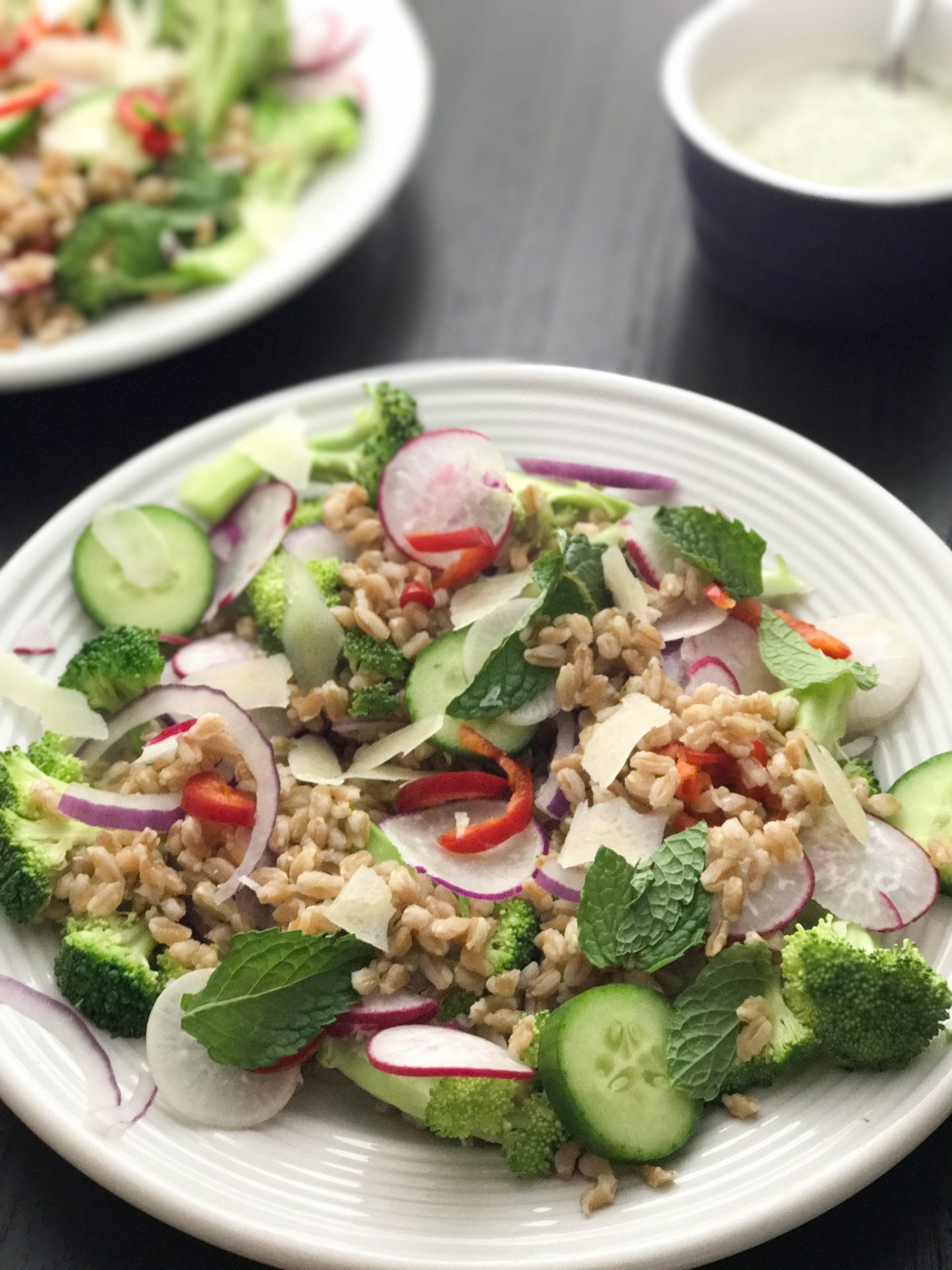
Warm Farro Salad with Easter Egg Radishes and Broccoli
Japanese-Inspired Warm Farro Salad with Miso-Glazed Radishes and Sesame Broccoli
Last updated: April 2026
Here at Alldayieat.com, we believe that food should be a feast for all the senses – vibrant, flavorful, and deeply satisfying. While the concept of a “warm grain salad” might not be traditional Japanese fare, the principles behind it resonate deeply with our culinary philosophy: seasonal ingredients, balanced nutrition, and an exquisite harmony of flavors and textures. This Japanese-Inspired Warm Farro Salad is a testament to that philosophy, transforming a simple grain into a vibrant, umami-rich dish that feels both wholesome and indulgent.
Key Takeaways
- Farro’s chewy, nutty texture pairs naturally with miso-glazed radishes and tender-crisp sesame broccoli for a satisfying grain bowl experience.
- The umami-rich miso dressing — built on miso paste, rice vinegar, toasted sesame oil, and fresh ginger — ties every ingredient together with savory depth.
- Farro is an ancient grain rich in fiber, plant-based protein, magnesium, and B vitamins, making this salad as nourishing as it is flavorful.
- The salad works warm, cold, or at room temperature and keeps refrigerated for up to 3–4 days, making it excellent for meal prep.
- Easily adaptable: swap farro for quinoa or brown rice for a gluten-free version, or add tofu, salmon, or eggs for extra protein.
Growing up in Japan, I learned to appreciate the subtle beauty of seasonal produce, known as shun (旬) — the Japanese concept of eating ingredients at their seasonal peak for optimal flavor and nutrition. Each ingredient, at its peak, offers a unique story and flavor profile. This salad, with its crisp radishes, tender broccoli, and chewy farro, celebrates that seasonality, elevated by a dressing that sings with the complex, savory notes of miso and ginger. It’s a dish that brings the warmth of a comforting meal with the freshness of a vibrant salad, perfect for any time of year.
Why You’ll Love This Warm Farro Salad
A Symphony of Textures and Flavors
Imagine the delightful chewiness of perfectly cooked farro mingling with the crisp, slightly peppery bite of miso-glazed radishes. Add to that the tender-crisp florets of sesame-kissed broccoli, and you have a textural masterpiece. The star, however, is our umami-rich dressing — umami (旨味) being the savory “fifth taste” distinct from sweet, salty, sour, and bitter — which ties everything together with its savory depth, bright acidity, and a hint of sweetness. It’s a truly engaging eating experience.
Wholesome and Satisfying
This salad isn’t just delicious; it’s incredibly good for you. Farro, an ancient grain, is packed with fiber and plant-based protein, keeping you feeling full and energized. The vibrant vegetables contribute a wealth of vitamins and minerals, while the miso dressing adds beneficial probiotics. It’s a meal that nourishes your body and soul.
Perfect for Any Occasion
Whether you’re looking for a light yet hearty lunch, a substantial side dish for a family dinner, or an impressive contribution to a potluck, this warm farro salad fits the bill. Its beautiful presentation and unique flavor profile make it a standout dish that’s sure to impress.
What Makes Farro the Star Ingredient?
What is Farro?
Farro is an ancient hulled wheat grain — specifically a collective term for three related species: Triticum monococcum (einkorn), T. dicoccum (emmer), and T. spelta (spelt) — that has been a staple in Mediterranean diets for thousands of years. It predates many modern grains and is prized for its robust, nutty flavor and satisfyingly chewy texture. While not traditionally Japanese, its wholesome qualities and versatility make it a fantastic canvas for Japanese-inspired flavors. Farro is rich in fiber, protein, and essential nutrients like magnesium, zinc, and B vitamins, making it a highly nutritious choice.
Cooking Farro to Perfection
The type of farro you choose will directly determine your cooking time, nutrition level, and final texture — refer to the comparison table below before you start. Cooking farro is similar to cooking rice or pasta, but a few tips can ensure perfect results:
| Farro Type | Bran Retained | Stovetop Cook Time | Fiber Level | Best For |
|---|---|---|---|---|
| Whole Farro | 100% (all bran) | 40–60 min (soaking recommended) | Highest | Maximum nutrition; batch meal prep |
| Semi-Pearled Farro | Partial | 25–40 min | Medium–High | Balanced nutrition with moderate prep time — recommended for this recipe |
| Pearled Farro | Minimal | 20–30 min | Lower | Quickest weeknight cooking; softest texture |
- Types of Farro: You’ll typically find whole, semi-pearled, or pearled farro. Whole farro retains all its bran, making it the most nutritious but also requiring the longest cooking time (and often soaking). Semi-pearled has some of the bran removed, offering a good balance of nutrition and quicker cooking. Pearled farro has most of the bran removed, cooking the fastest but with slightly less fiber. For this recipe, semi-pearled or pearled farro works best for a quicker preparation.
- Stovetop Method: Rinse farro thoroughly. For every cup of farro, use 2–3 cups of water or broth. Bring to a boil, then reduce heat, cover, and simmer until tender and the liquid is absorbed (20–40 minutes depending on the type).
- Instant Pot Method: For a quicker cook, combine 1 cup of farro with 1.5 cups of water or broth. Cook on high pressure for 7–10 minutes (pearled) or 15–20 minutes (semi-pearled/whole), followed by a 10-minute natural release.
- Rice Cooker Method: Use a 1:2 ratio of farro to water/broth. Cook on the “brown rice” setting.
Always aim for a tender but still slightly chewy texture — never mushy!
Farro in Japanese Cuisine?
While farro isn’t a traditional Japanese ingredient, its nutty flavor and satisfying chewiness make it a wonderful substitute for brown rice or barley in a wafu (和風) — meaning “Japanese-style” — culinary context. Just as Japanese cuisine embraces other grains and adapts them, farro can be incorporated into modern Japanese-inspired dishes. Its earthy notes complement the umami of miso and soy, and its texture provides a delightful contrast to tender vegetables, much like how barley might be used in a hearty soup or a grain bowl.
What Are the Key Ingredients in This Japanese-Inspired Warm Farro Salad?
Easter Egg Radishes: A Pop of Color and Crunch
These multi-hued radishes deliver peppery crunch and visual brilliance — and a quick miso glaze followed by a light roast transforms them into something entirely different. Roasting mellows their sharpness, enhances their natural sweetness, and infuses them with savory umami, turning them into tender, flavorful gems. Best for: adding vivid color, gentle heat, and a textural counterpoint to the chewy farro base.
Broccoli: Tender-Crisp Goodness
Broccoli is a versatile vegetable that pairs wonderfully with Japanese flavors, and the key is keeping it tender-crisp rather than soft. You can achieve this by blanching, steaming, or lightly roasting. Tossing the florets with a touch of sesame oil and toasted sesame seeds after cooking adds a quintessential Japanese aroma and nutty flavor. Best for: adding substance, color, and nutritional density to the salad.
The Umami-Rich Miso Dressing
The miso dressing is the heart of this Japanese-inspired dish, delivering a harmonious blend of savory, tangy, and slightly sweet notes in a single pour. Miso (味噌) is a traditional Japanese seasoning produced by fermenting soybeans with salt and koji (a beneficial mold culture), available across a spectrum from mild white to bold red varieties — see the comparison table below.
| Miso Type | Japanese Name | Flavor Profile | Salt Level | Best For |
|---|---|---|---|---|
| White Miso | Shiro Miso (白味噌) | Mild, sweet, delicate | Lower | Light dressings and glazes; best for beginners and this recipe |
| Red Miso | Aka Miso (赤味噌) | Deep, robust, intense umami | Higher | Bolder dressings, hearty soups, and rich marinades |
- Miso Paste: White (shiro) miso offers a milder, sweeter, and more delicate flavor, while red (aka) miso provides a deeper, saltier, and more robust umami. Choose based on your preference. Best for beginners: white miso.
- Rice Vinegar: Adds a gentle, clean acidity that balances the richness of the miso. Best for: brightening the dressing without overpowering the other flavors.
- Soy Sauce (or Tamari): Deepens the umami and provides a salty foundation. Use tamari for a gluten-free option. Best for gluten-free cooking: tamari.
- Sesame Oil: Toasted sesame oil is crucial for that distinctive nutty, aromatic Japanese flavor. Best for: authentic Japanese aroma — always use toasted (not raw/light) sesame oil for maximum impact.
- Fresh Ginger: Grated fresh ginger adds a bright, zesty, and slightly spicy kick.
- Garlic: A touch of grated garlic complements the ginger and miso beautifully.
- Maple Syrup or Honey: A small amount helps to balance the savory and tangy notes, adding a subtle sweetness.
Optional Add-ins for Extra Flavor and Texture
Elevate your salad even further with these delicious additions:
- Edamame: Shelled edamame adds a pop of green, a sweet, slightly grassy flavor, and extra protein. Best for: boosting plant-based protein with minimal prep.
- Shiitake Mushrooms: Sautéed fresh or rehydrated dried shiitake mushrooms bring an intense earthy umami. Best for: deepening the savory complexity of the dish.
- Toasted Nuts: Cashews, almonds, or walnuts provide a satisfying crunch and healthy fats. Best for: added textural contrast and richness.
- Leafy Greens: A handful of fresh arugula or spinach can be folded in at the end for added freshness and nutrients. Best for: lightening the overall dish and adding vibrant color.
- Protein Boost: For a more substantial meal, consider adding cubed pan-fried tofu, grilled chicken, or flaked salmon. Best for: turning a side salad into a complete, standalone meal.
How Do You Make This Warm Farro Salad? (Step-by-Step)
The full, detailed recipe is available in the recipe card below. Here’s a quick overview of the process:
Prep Your Ingredients
Wash and chop all your vegetables. Prepare your radishes for glazing and your broccoli for cooking.
Cook the Farro
Follow the package directions for your chosen type of farro, ensuring it’s tender but still has a pleasant chew.
Prepare the Vegetables
Roast the miso-glazed radishes until tender-crisp. Cook the broccoli using your preferred method (steaming, blanching, or roasting) until tender-crisp, then toss with sesame oil and seeds.
Whisk Together the Dressing
Combine all dressing ingredients and whisk until smooth and emulsified. Taste and adjust seasonings as needed.
Assemble and Serve
Gently combine the warm farro, cooked vegetables, and any desired add-ins. Drizzle generously with the dressing and toss to coat. Serve immediately, garnished with fresh herbs or extra sesame seeds.
What Are the Best Tips for Making Warm Farro Salad?
The most important tips for a great warm farro salad are simple: cook the farro to al dente so it stays chewy, add the potent miso dressing gradually while tasting as you go, and serve the salad warm so the flavors meld. Each of these is covered in detail below.
Don’t Overcook the Farro
Cook farro to al dente — tender with a slight bite — to preserve its signature chewy character. Overcooked farro turns mushy and loses the textural contrast that makes this salad so satisfying. Just like pasta, it’s always better to err on the side of underdone.
Adjust Dressing to Taste
The dressing is potent! Start with a smaller amount and add more as you toss, tasting as you go. You want the flavors to enhance the salad, not overpower it.
Serving Temperature Matters
This salad is designed to be served warm, which helps the flavors meld and the vegetables retain a pleasant texture. If it cools too much, a quick gentle reheat in a pan or microwave can revive it.
Make Ahead and Storage
This salad is fantastic for meal prep! You can cook the farro and prepare the vegetables ahead of time. Store them separately in airtight containers in the refrigerator for up to 3–4 days. Whisk the dressing just before serving, or store it separately and add it when ready to eat. To reheat, gently warm the farro and vegetables in a pan or microwave, then toss with fresh dressing.
What Variations and Substitutions Work Best?
Vegetable Swaps
Many seasonal vegetables complement the miso dressing beautifully — this recipe is designed to flex with what’s available at your market. Great options include:
- Asparagus: Blanched or roasted. Best for: a spring seasonal variation.
- Kale or Spinach: Massaged with a little dressing or lightly sautéed. Best for: adding iron-rich leafy greens.
- Sweet Potato or Carrots: Roasted until caramelized. Best for: autumn and winter versions with added natural sweetness.
- Bell Peppers: Roasted or sautéed. Best for: added color and a mild, sweet counterpoint.
Protein Boosts
Turn this side dish into a complete meal with added protein:
- Grilled Salmon: Flaked and mixed in. Best for: a classic Japanese flavor pairing and omega-3 richness.
- Miso-Marinated Tofu or Tempeh: Pan-fried or baked until crispy. Best for: vegan and vegetarian meals.
- Hard-Boiled Eggs: Sliced or chopped. Best for: a quick, budget-friendly protein addition.
- Shredded Chicken: Leftover rotisserie chicken works perfectly. Best for: easy weeknight meal prep.
Gluten-Free Option
While farro contains gluten and cannot be made gluten-free, several whole-grain substitutes replicate its texture and heartiness well — see the comparison below.
| Substitute | Texture vs. Farro | Protein Level | Approx. Cook Time | Best For |
|---|---|---|---|---|
| Quinoa | Lighter, fluffier | High (complete protein) | ~15 min | Quickest swap; highest protein content |
| Brown Rice | Similar chew, less nutty | Moderate | ~40–45 min | Classic whole-grain option; widely available |
| Buckwheat Groats | Earthier, heartier | Moderate–High | ~15–20 min | Boldest flavor; pairs especially well with miso |
Ensure your soy sauce is replaced with tamari for a fully gluten-free dish.
Frequently Asked Questions (FAQs)
Can I eat farro salad cold?
Yes — this salad tastes excellent cold or at room temperature, making it an ideal option for packed lunches and picnics. While it is designed to be served warm so the flavors fully meld, cold leftovers are equally enjoyable. Note that the dressing may thicken slightly when chilled, so add a small splash of water or extra rice vinegar to loosen it before serving.
What can I use instead of farro?
Quinoa, brown rice, and buckwheat groats are the best all-around farro substitutes — quinoa most closely matches the protein content, while brown rice is the most widely available option. Barley and couscous also work, though couscous will produce a noticeably different (softer) texture. For a gluten-free dish, quinoa or brown rice are the recommended choices.
Is farro gluten-free?
No — farro is a type of wheat and contains gluten, making it unsuitable for anyone with celiac disease or gluten sensitivity. If you have a gluten sensitivity or allergy, substitute with quinoa or brown rice and confirm that all other ingredients — including soy sauce (swap for tamari) — are certified gluten-free.
How long does warm farro salad last?
Stored in an airtight container in the refrigerator, this warm farro salad keeps well for 3–4 days. For best results, keep the dressing in a separate container and add it just before serving or reheating to prevent the grains from becoming soggy.
What is the difference between white miso and red miso in this recipe?
White (shiro) miso produces a milder, sweeter dressing well-suited to lighter grain salads, while red (aka) miso creates a deeper, saltier, more intense umami flavor. For first-time makers of this recipe, white miso is the more forgiving and versatile choice; for a bolder flavor profile, use red miso or blend both in equal parts.
PrintUncracked Farro Salad with Easter Egg Radishes and Broccoli
- Prep Time: 20 minutes
- Cook Time: 20 minutes
- Total Time: 40 minutes
- Yield: 4 people 1x
- Category: side
- Cuisine: New American
Ingredients
- 1/2 cup semi-pearled farro
- 1 dash salt (for the farro)
- 1 large egg yolk
- 4 fillets oil-packed anchovies (drained )
- 2 tablespoons fresh lemon juice
- 2 tablespoons white wine vinegar
- 1/2 teaspoon sugar
- 1/4 teaspoon Dijon mustard
- 4 cloves garlic
- 1/4 cup extra-virgin olive oil
- 1 tablespoon fresh oregano
- freshly cracked pepper
- ½ head broccoli (thinly sliced lengthwise ~ 1/4-1/2 in thick)
- ½ small red onion (thinly sliced)
- 1 whole Persian cucumber (sliced ¼ inch thick)
- 1 Fresno chile (thinly sliced)
- 3/4 cup spearmint (torn)
- 1 cup Easter egg radishes (thinly sliced)
- 1/2 cup pecorino romano (shaved with a vegetable peeler)
Instructions
- Cook farro according to package directions with a dash of salt.
- Meanwhile, combine egg yolk, anchovies, lemon juice, vinegar, sugar, mustard, oregano, garlic and 1/4 cup of olive oil.
- Using a food processor, puree everything up until it resembles a creamy emulsified dressing. Season with salt and pepper to taste.
- Slice broccoli as thinly as possible then prepare a pot with a little bit of water to steam the broccoli. When the water is hot, steam for approximately 1 minute. Drain immediately.
- Once farro is cooked drain if necessary and place into a large mixing bowl.
- Add onion, cucumber, chiles, radishes, mint, and Pecorino. Drizzle with 2-3 Tablespoons of dressing and toss. Season with fresh cracked pepper and add more dressing to taste.
- Serve with additional mint, radishes and Pecorino on top.
Notes
Dressing and salad can be made 1 day ahead


This looks wonderful! I cannot wait to try it out. Yum
love the colors on this plate!!
I’ve never tried cooking farro – I should put it on the list of things to try!
absolutely!! its very wholesome and tasty!