
What Time of Year Is Cheapest to Fly to Japan: Smart Savings
Wondering what time of year is cheapest to fly to Japan? You’re in luck! Discover the best times to travel and snag the cheapest flights to this innovative destination.
From off-peak seasons and shoulder months to winter travel and strategic booking windows, we’ve got you covered. Get ready to experience Japan’s wonders without breaking the bank.
So, let’s dive in and find out when you can fly to Japan for less!
Maximize Savings on Your Journey with Trip.com
Trip.com
Trip.com, the official site for savvy travelers. Explore exclusive travel deals and promotions on flights, hotels, and more. Plan your next adventure with confidence and enjoy savings on your bookings. Don’t miss out on the best travel deals – click the link below today and embark on your next journey!
- Wide range of travel options, including flights, accommodations, and activities
- User-friendly interface with easy booking process
- Extensive customer support available 24/7
- Loyalty program offering rewards and discounts
- Some users have reported occasional glitches in the booking system
- Limited options for smaller or less popular destinations
- Pricing may not always be the most competitive
- Additional fees may apply for certain services or changes
When it comes to smart savings on flights to Japan, Trip.com is your trusted ally in finding the most budget-friendly times to travel. Japan’s beauty is on display year-round, and Trip.com offers valuable insights on when it’s cheapest to visit.
Whether you’re drawn to the cherry blossoms of spring, the vibrant summer festivals, or the colorful foliage of autumn, our platform enables you to seize the best deals. With Trip.com, you can plan your Japanese adventure strategically, ensuring that your journey is not only memorable but also light on your wallet.
Start your cost-conscious exploration with Trip.com today and make Japan’s wonders accessible.
What is the Cheapest Time to Fly to Japan? Quick Answer
The cheapest time to fly to Japan is mid-January through mid-February, or August — the two true off-peak windows when transpacific fares drop to their annual lows. To lock in those prices, book 2–8 months in advance; last-minute fares spike, not drop, due to modern airline pricing algorithms. Two strict avoidance rules for 2026: skip December 25–January 7 (New Year’s blackout) and September 23–27 (Silver Week, a rare five-day national holiday that drives prices to Golden Week levels). Also factor in Japan’s 2026 fee increases — a proposed visa fee increase from ~3,000 to 15,000 JPY, a new Kyoto accommodation tax tier (effective March 1), and a departure tax increase from 1,000 to 3,000 JPY (proposed, effective July 2026) — when setting your total travel budget.
Off-Peak Seasons
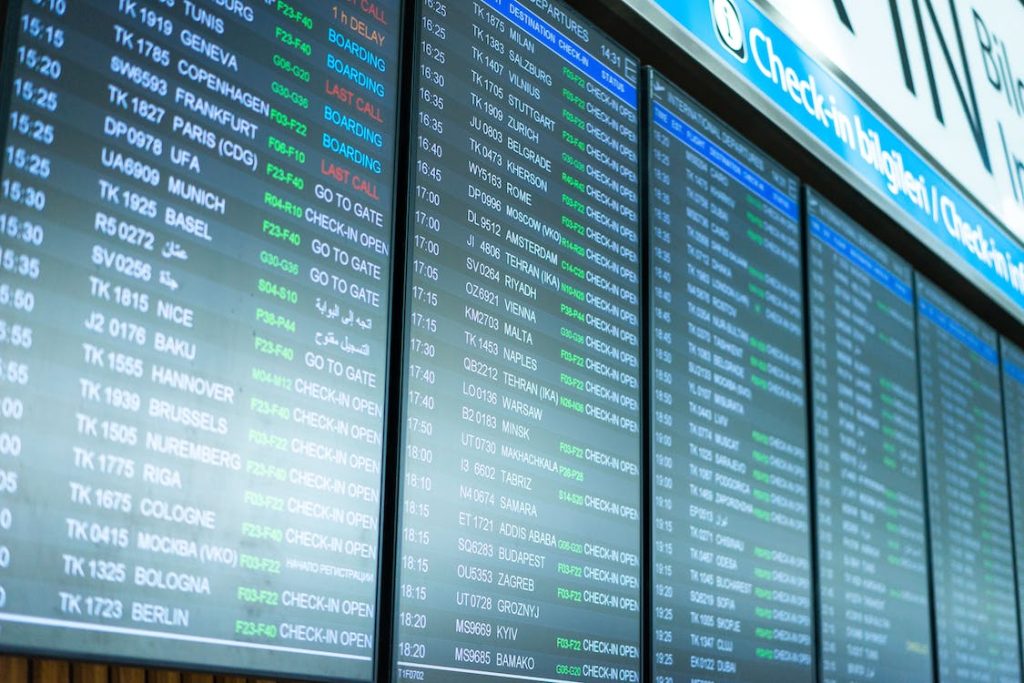
If you want to save money on your flight to Japan, you should consider flying during the off-peak seasons. This is when the demand for flights is lower, and airlines tend to offer discounted fares to attract more passengers.
The true off-peak seasons in Japan are January, February, and August. March and April cover Japan’s cherry blossom season — the absolute peak travel period — and September through November drives high shoulder-season demand for autumn foliage. August is often overlooked: extreme heat keeps domestic tourists indoors, which drives airlines to drop transpacific fares significantly to fill seats. Flying in January or February (outside New Year’s holidays), or in August, consistently delivers the lowest fares of the year.
By taking advantage of these off-peak seasons, you can allocate your saved funds toward other innovative experiences and activities during your trip.
Shoulder Months
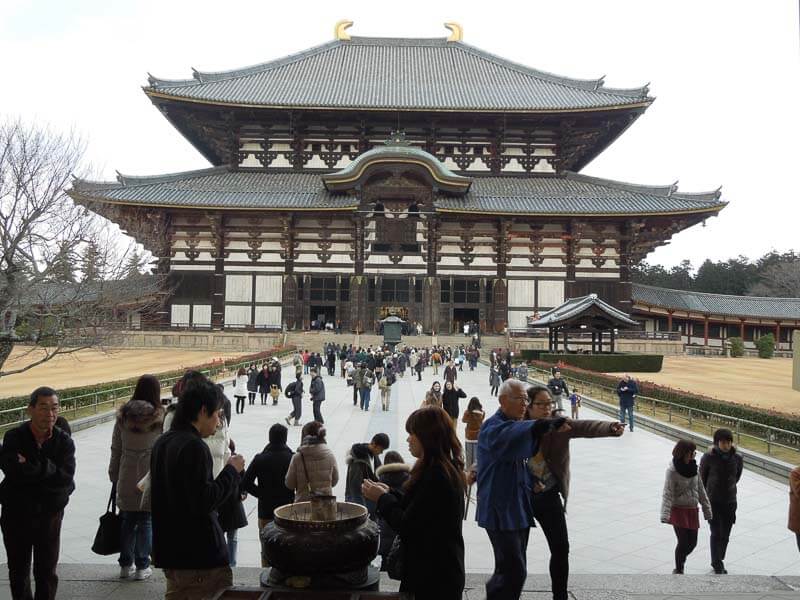
Japan’s shoulder months — May, early June, and October — offer meaningful savings over peak-season without requiring you to brave winter cold or August heat. Fares and accommodation rates fall noticeably below cherry blossom and Golden Week peaks, yet the weather is comfortable and major attractions are fully open. According to travel industry data, shoulder season travelers consistently find 20–40% lower accommodation rates than peak-season visitors.
Early June is a particularly underrated window: rainy season starts mid-month, so the first two weeks give you pleasant conditions across most of Japan while fares remain well below spring highs. October delivers the early stages of autumn foliage with manageable crowds — the best of fall color without the late-October premium surge. Use these windows to visit experiences where timing matters most: Tokyo neighborhoods, Kyoto’s temples and gardens, and deep-dive Japanese tea culture experiences are all dramatically better when you’re not competing with peak crowds for reservations and walking space.
Winter Travel

During the winter months—specifically January and early February—you will consistently find the cheapest flights to Japan, alongside the lowest airfare and accommodation rates of the year. Airlines significantly drop prices following the peak holiday rushes, making this an ideal time for budget-conscious travelers to experience Japan’s snow-capped landscapes, ski resorts, and winter illuminations with fewer crowds.
However, there is a massive and critical exception to this rule: the New Year’s holiday period. The weeks directly surrounding New Year’s are an explicit blackout period for budget travel. This is one of the most important peak travel holidays for locals, resulting in surging domestic flight prices, crowded attractions, and sky-high accommodation fares. To secure the steep discounts associated with winter travel, strictly avoid the final week of December and the first week of January. Instead, aim your flight dates for mid-to-late January or the first two weeks of February to maximize your savings.
Japan is known for its stunning winter landscapes, from snow-covered mountains to picturesque villages. You can enjoy activities like skiing, snowboarding, and soaking in natural hot springs.
Additionally, winter is the season for amazing festivals like the Sapporo Snow Festival and the Otaru Snow Light Path Festival, where you can witness incredible ice sculptures and beautiful lantern displays.
With fewer tourists during this time, you can fully immerse yourself in Japan’s rich culture and traditions.
Golden Week Considerations
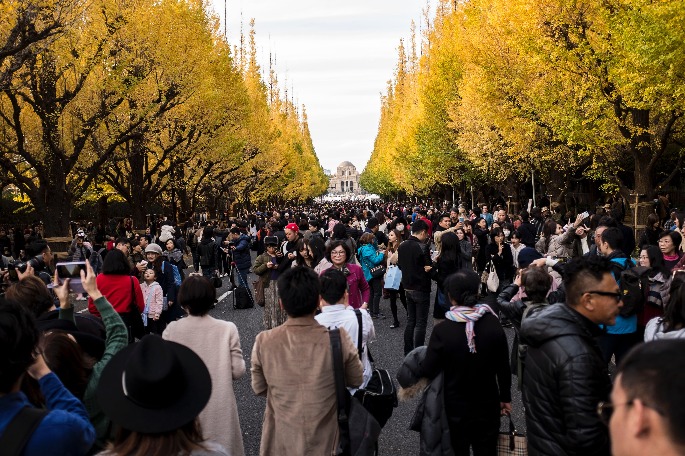
When planning your trip to Japan, it’s important to consider the implications of Golden Week.
Golden Week is a series of national holidays in Japan that occur from the end of April to early May. It’s one of the busiest times for travel in Japan, with locals and tourists alike taking advantage of the long holiday period.
As a result, flight tickets and accommodation prices tend to be higher during this time. If you’re looking for a more affordable trip, it may be best to avoid traveling to Japan during Golden Week. However, if you’re determined to visit during this time, it’s recommended to book your flights and accommodations well in advance to secure the best deals.
Additionally, consider exploring less crowded areas or participating in unique cultural experiences to make your trip to Japan during Golden Week more innovative and memorable.
Silver Week Considerations (2026)
While Golden Week is well-known to international tourists, travelers in 2026 must be equally vigilant about “Silver Week,” a rare five-day national holiday weekend occurring in late September. Because the astronomical timing of the Autumn Equinox falls on a Wednesday (September 25) and Respect for the Elderly Day lands on a Monday (September 23), Japanese law dictates that the intervening Tuesday (September 24) automatically becomes a public holiday. This alignment creates a massive surge in domestic tourism. Like Golden Week, this five-day stretch triggers a sudden and steep hike in prices for both domestic transit and accommodations.
Popular scenic spots and hot spring (onsen) towns see overwhelming crowds as multigenerational families and retirees take domestic trips to view the early autumn foliage. If you are flying into Japan in late September 2026, avoid booking travel or premium accommodations during these specific dates. If your trip unavoidably overlaps with Silver Week, lock in your tickets and hotel rooms several months in advance, and expect peak-season premium pricing across the board.
Book in the “Goldilocks Window” (Not Last-Minute)

Relying on last-minute flight deals to Japan is an outdated strategy that can easily turn into a $1,500 mistake. Modern airline pricing algorithms have largely eliminated the sudden, final-hour price drops that budget travelers used to rely on to score cheap international airfare. Current flight data consistently shows that transpacific fares actually rise sharply at the 21-day, 14-day, and 7-day marks prior to departure. Instead of waiting for empty seats to go on sale, the most effective strategy for 2026 is booking within the international “Goldilocks Window”—the optimal period falling exactly two to eight months before your intended departure date. During peak travel seasons like spring and summer, there is extremely limited availability for last-minute bookings, meaning you risk being priced out entirely or stuck with highly undesirable routing. Securing your tickets within this 2-to-8-month window ensures you bypass the algorithmic price surges while still taking advantage of early promotional fares. If your travel dates are completely inflexible, aim for the earlier side of this eight-month window, and consider booking a separate positioning flight to a major West Coast hub like Los Angeles (LAX) or San Francisco (SFO) to access better baseline fares.
What Time of Year Is Cheapest to Fly to Japan: The Final Verdict
Finding the cheapest time to fly to Japan requires a strategic balance: target the off-peak shoulder months or mid-winter (while strictly avoiding the New Year and Silver Week holidays), and always book within the 2-to-8-month “Goldilocks Window.” However, an affordable flight is only one part of the equation in 2026. Travelers must also budget for a series of new, unavoidable fees and taxes that will directly impact the total cost of the trip, regardless of when you fly.
Be prepared to account for the following 2026 surcharges when planning your travel budget:
- Increased Visa Fees: Starting in April 2026, the proposed cost for a single-entry visa jumps significantly from roughly 3,000 JPY to 15,000 JPY. Multiple-entry visas will rise to 30,000 JPY.
- Kyoto Accommodation Tax: Effective March 1, a newly structured nightly accommodation tax tier will be applied to all stays in Kyoto, directly increasing your hotel bill based on your room’s base rate.
- International Departure Tax: Beginning July 2026 (proposed as of early 2026), the mandatory departure tax for all travelers aged two and older leaving Japan by plane or ship is set to triple from 1,000 JPY to 3,000 JPY.
By timing your flights correctly and factoring in these updated 2026 costs, you can protect your travel budget from unexpected hits and fully enjoy your Japanese adventure.
Secure your travels with EKTA’s comprehensive travel insurance. Travel with peace of mind knowing that you’re protected against unexpected events. Don’t let uncertainties hold you back – ensure a worry-free journey with EKTA Travel Insurance. Get covered today!
We earn a commission if you make a purchase, at no additional cost to you.

Ensure a worry-free journey to Japan with comprehensive travel insurance from VisitorsCoverage. Stay protected and explore the wonders of Japan with peace of mind. Click here to get covered now!
We earn a commission if you make a purchase, at no additional cost to you.