
4 BEST DASHI POWDER: SPRINKLE EVERYWHERE
Get ready to upgrade your cooking game with a sprinkle of the best dashi powder – it’s like a flavor ninja, sneaking into your dishes and transforming them into culinary masterpieces!
Key Takeaways
- Dashi powder is a convenient, shelf-stable alternative to homemade dashi stock that delivers authentic umami flavor to soups, broths, sauces, and more
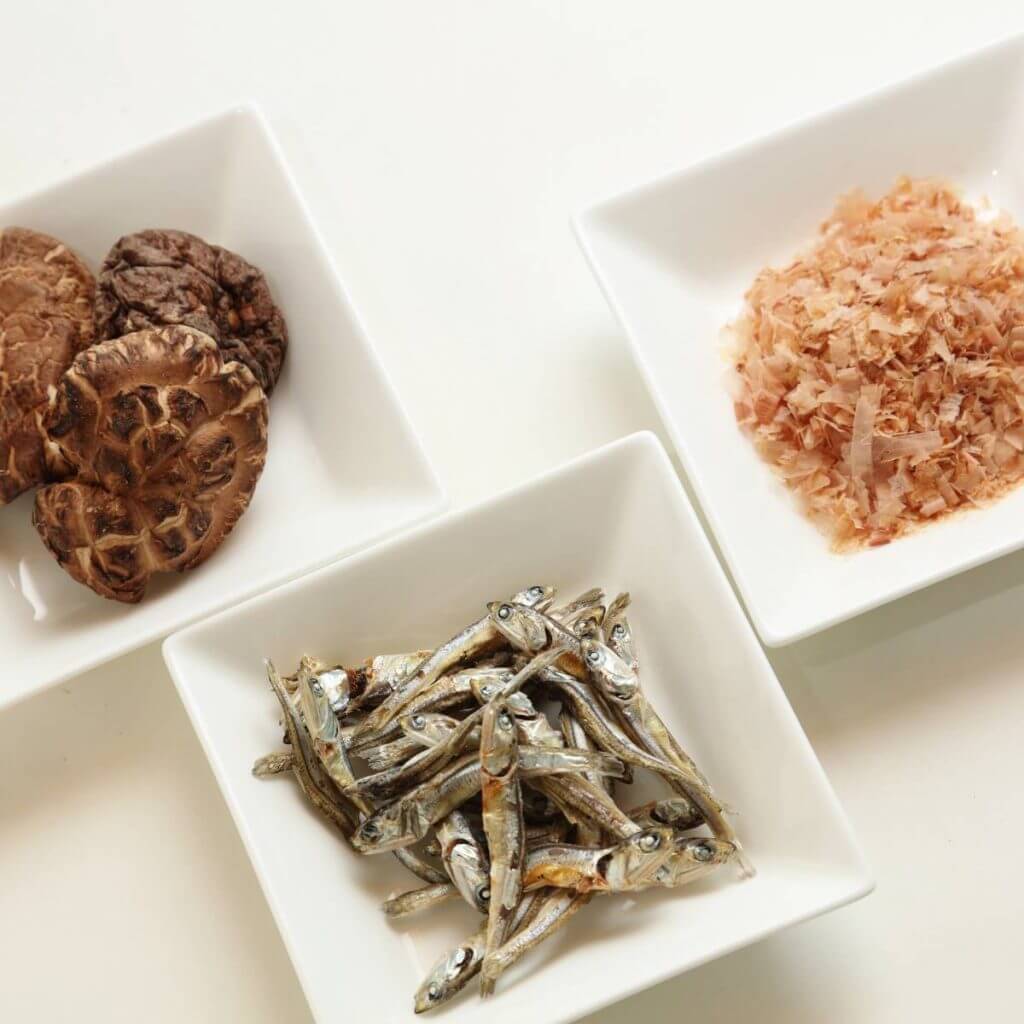
- Four main types exist: bonito flakes (katsuobushi), kombu kelp, shiitake mushrooms, and blended varieties—each offering distinct flavor profiles
- Unlike MSG, dashi powder imparts a rich, complex flavor from whole ingredients rather than a single isolated compound
- Vegetarian and vegan options (kombu and shiitake) provide the same umami depth as traditional fish-based varieties
- Most dashi powders reconstitute instantly with hot water and work in both traditional Japanese and fusion dishes
Last updated: April 2026
So, say sayonara to boring flavors and hello to an explosion of umami in every bite.
KEY TAKEAWAYS
- Dashi powder is a convenient, shelf-stable alternative to homemade dashi stock that delivers authentic umami flavor to soups, broths, sauces, and more
- Four main types exist: bonito flakes (katsuobushi), kombu kelp, shiitake mushrooms, and blended varieties—each offering distinct flavor profiles
- Unlike MSG, dashi powder imparts a rich, complex flavor from whole ingredients rather than a single compound
- Vegetarian and vegan options (kombu and shiitake) provide the same umami depth as traditional fish-based varieties
- Most dashi powders reconstitute instantly with hot water and work in both traditional Japanese and fusion dishes

What is Dashi Powder?
Dashi powder is a concentrated, dehydrated form of dashi stock that has been ground into fine powder for convenient storage and instant reconstitution.
It’s typically made by drying and grinding dashi stock ingredients, such as bonito flakes and seaweed, into a fine powder. The powder can be reconstituted with hot water to make dashi stock, and for those with dietary restrictions, a gluten-free dashi powder is also available.
It’s a convenient alternative to making dashi stock from scratch and is widely used in Japanese recipes. And no, it’s not the same as hondashi—dashi powder is a broader category that includes various ingredient combinations, while hondashi is a specific branded product with particular formulations.
Where Can You Use Dashi Powder in Your Food?
Dashi powder can be used in virtually every Japanese dish and many fusion recipes that need savory depth. Common applications include:
- Miso soup: a traditional Japanese dish cooked with a foundation of dashi stock and miso paste, creating a hearty and calming soup
- Noodle soups: the broth for noodle soups like udon or soba can be made with dashi powder
- Sauces: dashi powder improves the flavor of sauces like teriyaki sauce or dressings by adding umami depth
- Rice meals: steamed rice can be flavored with dashi powder to create dishes like takikomigohan (seasoned rice) or ochazuke (rice soaked in
tea ) - Stews and braises: dashi powder enriches the flavor of stews and braises like nabemono (Japanese hot pot)
The visual below illustrates the fine granule texture of dashi powder ready for instant dissolving in hot water.
The 4 Best Dashi Powder Stock
The dashi powder pictured here demonstrates the convenient individual packet format of Kayanoya’s premium multi-ingredient blend.

Best for: Premium traditional Japanese cooking, those seeking MSG-free formulations
This Original Dashi Stock Powder is made from materials of the highest quality. The superb flavor of dashi comes from roasted ago (flying fish) and iwashi (sardine) in addition to the usual dashi mixture of kombu (dried kelp) and katsuobushi (dried bonito flakes). Excellent for use in traditional Japanese dishes, adding umami (savory flavor) to soups, stews, pasta, grilled dishes, and more.
Best for: Vegetarian and vegan cooking, clean kelp-forward flavor
Shimaya Kombu Dashi is a type of dashi stock made from dried seaweed (kombu) and is produced by the Japanese brand Shimaya. It is a vegetarian or vegan-friendly alternative to traditional dashi stocks made from bonito flakes and provides a similar umami flavor profile. This fish-free base uses only the finest cultivated kelp from Hokkaido to impart a rich and savory umami flavor to broths, seasonings, and more. Use this dashi packet to create warming miso soup by combining it with miso paste, or to enhance stews like chige (which is a Korean stew that often calls for tofu). Did you know? Lots of Japanese-style Korean food can be enjoyed with Japanese dashi powder!
Best for: Traditional Japanese soups and noodles, classic umami depth with subtle smokiness
This is another type of dashi stock made from dried bonito flakes (katsuobushi). It is a traditional dashi stock used in many Japanese dishes and provides a rich and savory flavor profile with a hint of smokiness. Because of its versatility, this dashi soup stock can be used to make all sorts of Japanese soup and noodle dishes, as well as to flavor sauces and stir-fries when you want depth of flavor unlike anything else.
Best for: Plant-based cooking, earthy umami flavor, fusion dishes
Bring the earthy, umami flavor of shiitake mushrooms to your dishes with Shimaya Shiitake Dashi Powder. This dashi is a plant-based alternative to traditional dashi stocks and can be easily reconstituted with hot water. This dashi stock is rich in umami and fragrance made from using sun-dried shiitake mushrooms. It can be used for a variety of Japanese, western, and Chinese dishes where you’d want more of an earthy, mushroomy flavor.
How Do the Different Dashi Powders Compare?
Top Pick 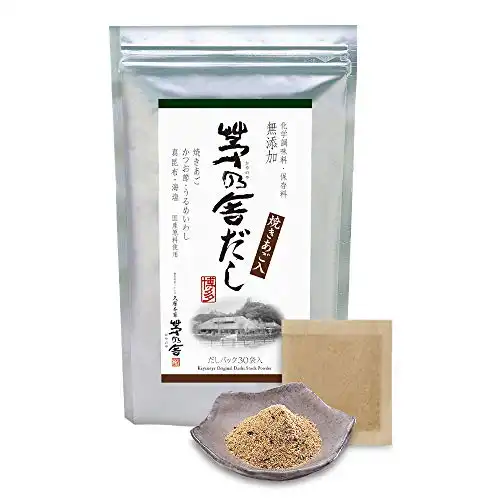 |
Vegan-Friendly  |
Bonito Stock 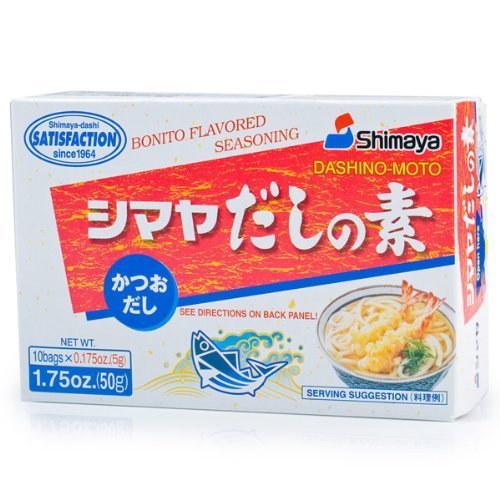 |
Plant-based Alternative  |
$41.20
| $9.99
| $10.89
| N/A
|
Description:
| Description:
| Description:
| Description:
|
Primary Rating:
4.8 | Primary Rating:
4.6 | Primary Rating:
4.8 | Primary Rating:
0.0 |
- Made from materials of the highest quality.
- adding umami (savory flavor) to soups, stews, pasta, grilled dishes, and more.
- It is a vegetarian or vegan-friendly alternative
- Use this dashi packet to create warming miso soup by combining it with miso paste, or to enhance stews
- Can be used to make all sorts of Japanese soup and noodle dishes, as well as to flavor sauces and stir-fries when you want depth of flavor unlike anything else.
- This dashi is a plant-based alternative to traditional dashi stocks
- Made from using sun-dried shiitake mushrooms.
04/10/2026 02:37 am GMT
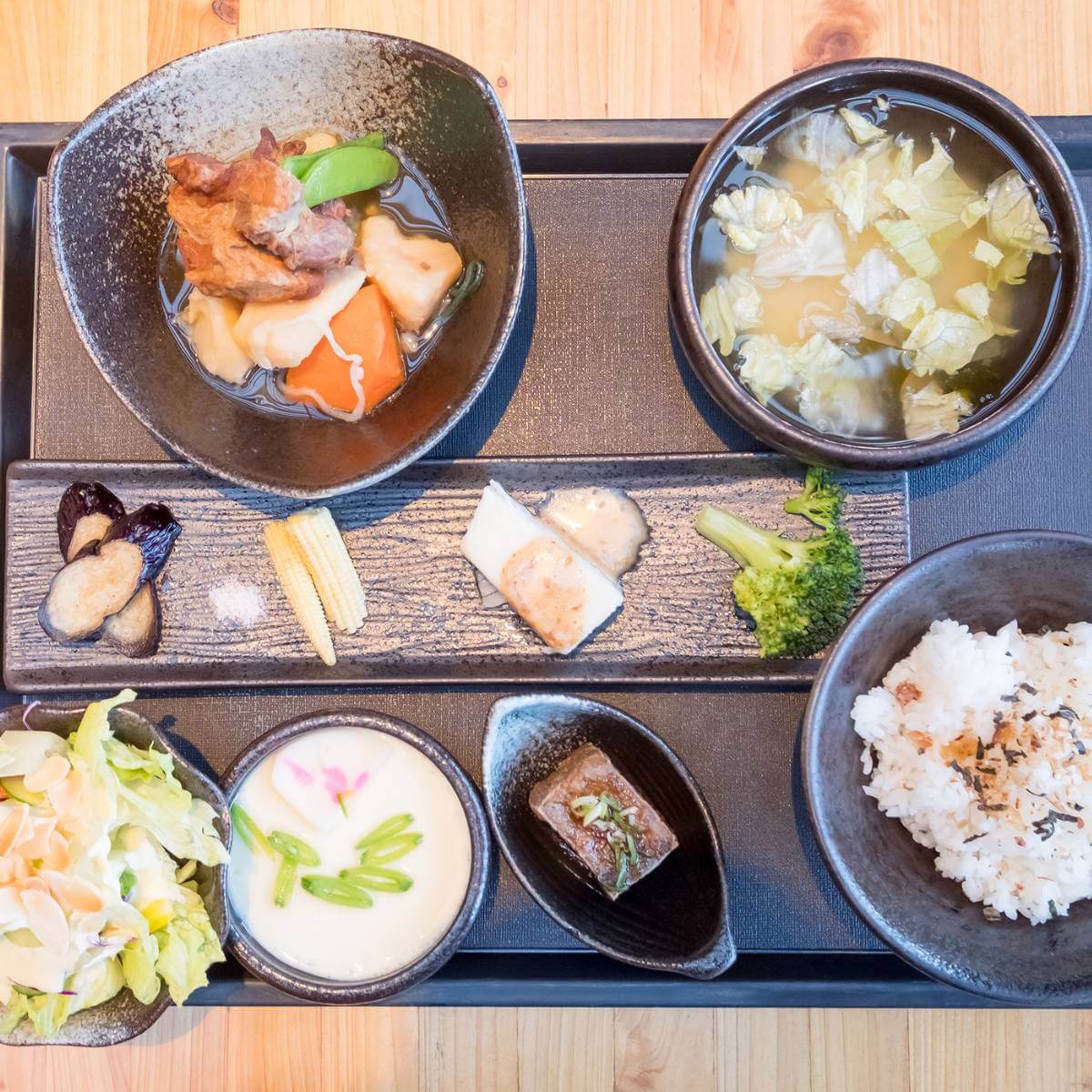
As shown in the following image, dashi powder seamlessly elevates a wide range of Japanese soups, noodle broths, and seasoned dishes.
What is the Difference Between Dashi Powder and MSG?
Dashi powder and monosodium glutamate (MSG) are both flavor enhancers, but they differ significantly in composition, taste, and culinary application.
- Taste: Dashi powder imparts a rich, savory umami flavor to dishes from whole ingredient sources, while MSG has a more neutral taste and is often used to enhance the natural flavors in food without adding its own character.
- Use: Dashi powder is used primarily in soups, broths, and sauces to add depth and complexity naturally. MSG is often used as a standalone seasoning to enhance flavors already present without adding its own distinctive character.
- Ingredients: Dashi powder is usually made from natural ingredients like fish, seaweed, or mushrooms. However, some formulations may include additives like MSG, yeast extract, or vegetable protein to enhance flavor, so checking the ingredient list is important.
There’s ongoing discussion around MSG, and some people may have sensitivity to it. If that’s your concern, it’s not difficult to find dashi stock without MSG in the ingredients—look for products that list only the whole ingredient sources (kombu, katsuobushi, shiitake, etc.).
What is the Difference Between Dashi and Miso Paste?
Dashi is a light, savory broth or soup stock, while miso paste is a thick, fermented seasoning—they serve different culinary purposes and are often used together.
Dashi Powder | |
Primary Rating:
4.8 | Primary Rating:
4.4 |
Description: This Original Dashi Stock Powder is made from materials of the highest quality. Excellent for use in traditional Japanese dishes, adding umami (savory flavor) to: Soups Stews Pasta Grilled dishes And more | Description: Traditional Japanese seasoning is made from fermented soybeans, salt, and other ingredients like rice or barley. It is often used in: Miso soup Salad dressings Marinades |
$41.20
| $24.49
|
This Original Dashi Stock Powder is made from materials of the highest quality.
Excellent for use in traditional Japanese dishes, adding umami (savory flavor) to:
Soups
Stews
Pasta
Grilled dishes
And more

Traditional Japanese seasoning is made from fermented soybeans, salt, and other ingredients like rice or barley.
It is often used in:
Miso soup
Salad dressings
Marinades
04/10/2026 02:37 am GMT
Dashi is a broth or soup stock made from ingredients such as kelp, bonito flakes, or shiitake mushrooms, creating a light base for soups and sauces.
Miso paste is a seasoned and fermented soybean product that is used as a condiment or seasoning, often as the main flavor in miso soup or as a spread for rice balls, seasoning fish, and more.
Dashi has a light, savory, and slightly salty flavor, while miso paste has a more intense and complex flavor that ranges from mild to salty, depending on the type of miso used. In practice, they work together: dashi provides the liquid base while miso paste adds the rich, fermented depth.
Summary & Conclusion
Dashi powder in grocery stores is an indispensable ingredient for anyone who loves Japanese cuisine or wants to add depth and flavor to their cooking.
With its rich umami flavor and convenient format, dashi powder is the ultimate ingredient for soups, sauces, and broths, especially when you want to naturally enhance the flavors of the food you’re about to eat.
Whether you prefer the traditional taste of kombu kelp or the earthy and savory flavor of shiitake mushrooms, there is a dashi powder for everyone.
So if you’re tired of bland and boring Japanese dishes, consider some of the products from the dashi brands above and pick up a pack of my favorite pre-made dashi powder stock—Kayanoya!

Kayanoya Original Dashi Stock Powder
4.8
$41.20
This Original Dashi Stock Powder is made from materials of the highest quality. Excellent for use in traditional Japanese dishes, adding umami (savory flavor) to soups, stews, pasta, grilled dishes, and more.
And who knows, you might even impress your taste buds with a chuckle because as they say, laughter is the best seasoning!
Frequently Asked Questions
Can I use dashi powder instead of homemade dashi stock?
Yes, dashi powder is an excellent substitute for homemade dashi stock. Simply mix the powder with hot water according to package directions. While homemade stock may offer slightly more nuanced flavor, quality dashi powders like Kayanoya provide authentic taste and umami with greater convenience and longer shelf life.
How much dashi powder do I need per serving?
Most dashi powder packets contain 1–2 teaspoons per serving. For a standard serving of soup or broth, use approximately 1 teaspoon dissolved in 1 cup (240 ml) of hot water. Check your specific product’s package instructions, as concentrations vary by brand.
Is dashi powder shelf-stable and how long does it last?
Yes, dashi powder is shelf-stable when kept in a cool, dry place. Most products maintain quality for 1–2 years from the manufacturing date. Once opened, transfer to an airtight container and use within 6–12 months. Check the package for specific expiration dates.
Can vegetarians and vegans use dashi powder?
Some dashi powders are vegetarian and vegan-friendly, specifically those made from kombu (seaweed) or shiitake mushrooms. However, traditional varieties made from bonito flakes or blended with fish products are not vegetarian. Always check the ingredient list to confirm whether a product suits your dietary preferences.
Does dashi powder contain sodium and can I reduce the salt?
Most dashi powders contain added salt for flavor preservation. If you need to reduce sodium intake, check the nutrition label and consider using less powder per serving or opting for brands specifically labeled as low-sodium. You can also add more water to dilute the mixture and balance with other seasonings.
What is the best dashi powder for beginners?
For beginners, Kayanoya Original Dashi Stock Powder is an excellent starting point. It comes in pre-measured 8g packets, making it easy to use without guesswork, and its blended formula of flying fish, sardine, kombu, and bonito delivers a well-rounded, authentic umami flavor that works in a wide range of dishes—from miso soup to sauces and noodle broths.
Let me know what dashi powder you’d pick first:
Type – Kombu or shiitake in the comment section below.