Wasabi Peas: What They Are, Flavor & How They’re Made
Are you curious about the health benefits of wasabi peas? Well, you’re in luck! These little green snacks pack a punch when it comes to nutrition.
Key Takeaways
- Wasabi peas contain plant-based protein, dietary fiber, and important nutrients including manganese, thiamin, copper, and vitamin K.
- The active compound allyl isothiocyanate — responsible for wasabi’s heat — provides anti-inflammatory and antimicrobial properties.
- Some commercial varieties are high in sodium or added sugar; always check the nutrition label before buying.
- Wasabi peas are best enjoyed in moderation as part of a balanced diet — not all brands are gluten-free, and they may trigger acid reflux in sensitive individuals.
With protein, fiber, and essential nutrients like manganese and vitamin K, wasabi peas offer a range of potential advantages for your well-being.
However, it’s important to be aware of some downsides, too. Some commercial varieties may contain high levels of sodium or added sugar, which can be concerning for certain individuals. Wasabi peas can also trigger acid reflux or heartburn for some individuals, and those with green pea allergies or on a gluten-free diet should exercise caution.
So, let’s answer the question, Are Wasabi Peas Healthy? and dive into the facts to find out if these spicy treats are truly healthy for you!
What Nutrients Make Wasabi Peas Healthy?
The visual below illustrates the classic serving presentation of wasabi peas as a crunchy, nutrient-rich Japanese-inspired snack.
Wasabi peas are a good source of plant-based protein, fiber, and important nutrients such as manganese, thiamin, copper, and vitamin K. These nutritional components make wasabi peas a healthy snack option, contributing to muscle growth, digestion, metabolism, and blood health.
Best for: Plant-based protein intake, digestive health, mineral supplementation, and balanced snacking.
Protein is essential for supporting muscle growth and repair. Fiber aids in digestion and can help maintain a healthy weight. Manganese plays a role in metabolism and bone health, while thiamin supports energy production. Copper is involved in the formation of red blood cells, and vitamin K is important for blood clotting.
Including wasabi peas in your diet can provide these beneficial nutrients that contribute to overall health and well-being. It’s worth noting that the nutritional content of wasabi peas may vary depending on the brand and coating used. Some commercial varieties may be high in sodium or added sugar. Therefore, it’s important to check the ingredients label for maximum benefits.
Overall, wasabi peas offer a range of nutrients that can support your health goals. By enjoying them in moderation alongside a balanced diet, you can reap the nutritional benefits of wasabi peas without compromising your overall well-being.
How Do Wasabi Peas Support Digestive Health?
Wasabi peas are a good source of dietary fiber that plays a crucial role in keeping your digestive system healthy. The fiber content helps prevent constipation, promotes regular bowel movements, and reduces bloating and discomfort.
- Fiber adds bulk to your stool, making it easier to pass through the intestines and preventing constipation.
- It regulates bowel movements by speeding up the transit time of waste through the digestive tract.
- By promoting regular bowel movements, fiber prevents digestive issues such as bloating, gas, and discomfort.
- A high-fiber diet has been associated with a reduced risk of developing conditions like diverticulosis and hemorrhoids.
Incorporating wasabi peas into your diet can be an easy way to increase your fiber intake. However, it’s important to remember that they are a healthy snack if eaten in moderation.
Consuming excessive amounts of fiber without enough water can lead to potential side effects like abdominal cramping or diarrhea. Therefore, it’s recommended to gradually increase your fiber intake and drink plenty of fluids throughout the day.
Remember that everyone’s nutritional needs are different, so it’s always a good idea to consult with a healthcare professional or registered dietitian before making any major changes to your diet. They can provide personalized recommendations based on factors such as age, gender, activity level, and overall health status.
Antioxidant Properties of Wasabi Peas
As shown in the following image, dried wasabi peas pair with vibrant green wasabi powder, highlighting the antioxidant-rich compounds central to this snack.
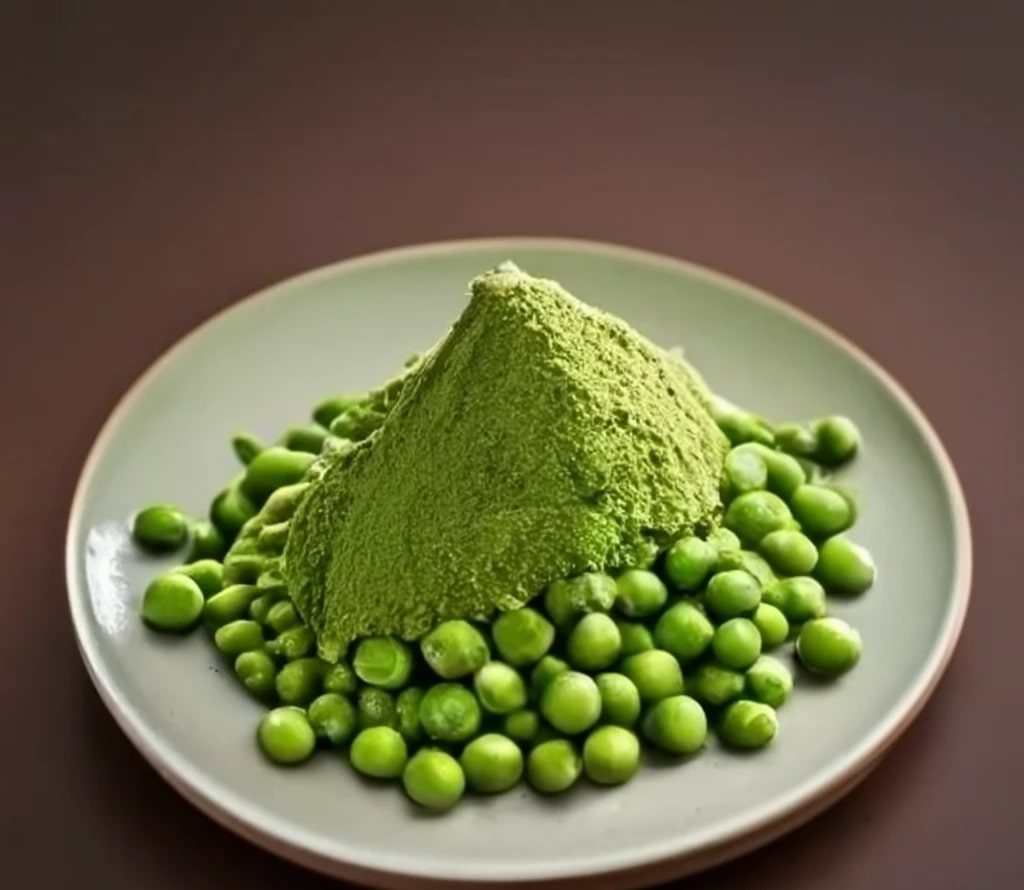
Wasabi peas contain a rich array of antioxidants that protect your cells from damage caused by harmful molecules called free radicals. These antioxidants, similar to those found in vegetables and fruits, play a crucial role in maintaining overall health and well-being.
The presence of antioxidants in wasabi peas can help support cellular health and reduce oxidative stress in the body. These compounds work by neutralizing free radicals. Including wasabi peas in your diet can increase your intake of these beneficial antioxidants.
In addition to their antioxidant properties, wasabi peas provide other essential nutrients. They offer six percent of the daily value (DV) of iron per serving, which helps prevent iron deficiency anemia. Iron is vital for carrying oxygen throughout the body and supporting optimal energy levels.
. Incorporating these crunchy snacks into your balanced diet can contribute to a diverse array of nutrients that support overall health and well-being.Remember to check the ingredients label when selecting wasabi pea brands, as some may contain high amounts of sodium or added sugars. It’s important to consume them in moderation as part of a healthy lifestyle. So go ahead and enjoy this flavorful snack while reaping its potential antioxidant benefits!
Spice Factor: Health Benefits of Wasabi Peas
The wasabi root pictured here demonstrates the potent allyl isothiocyanate compounds responsible for wasabi’s signature sharp heat and health properties.
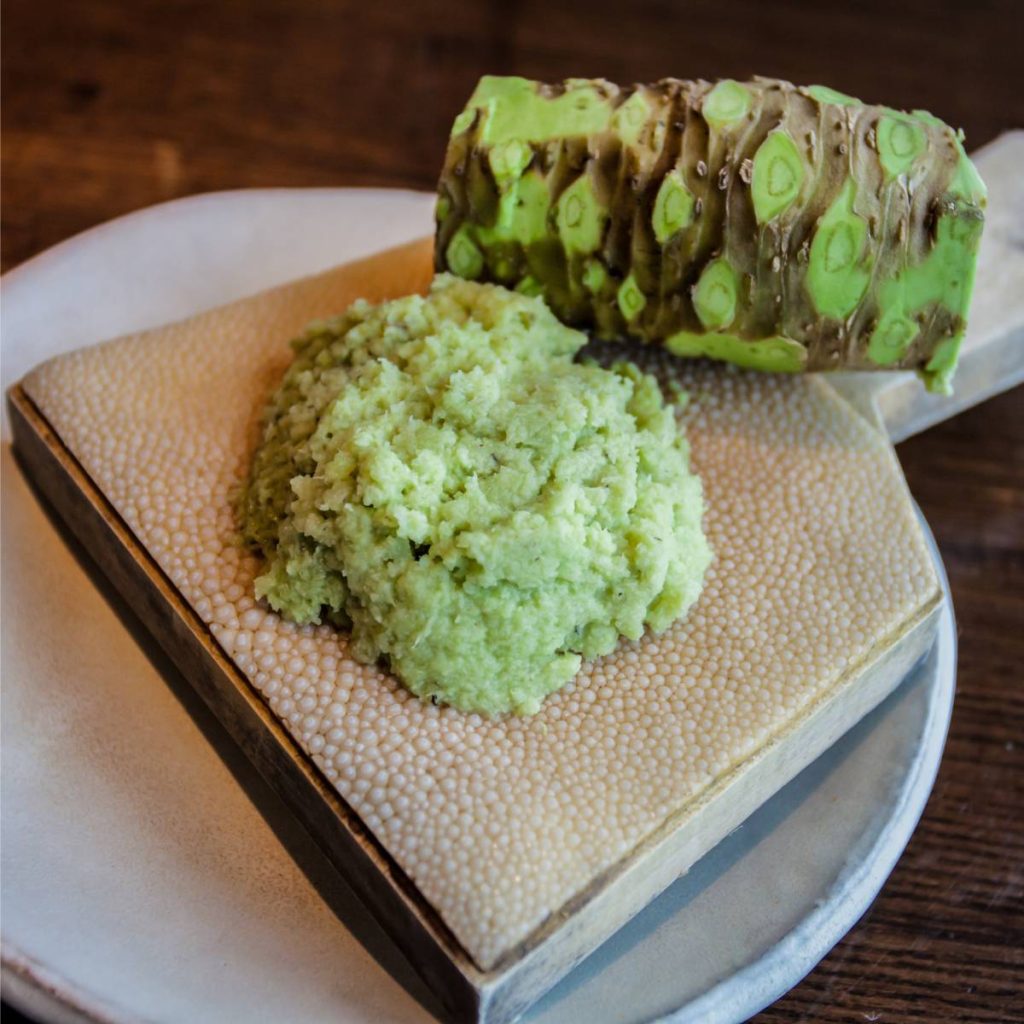
The spice in wasabi peas, known as allyl isothiocyanate, offers various health benefits for those who consume them. This compound provides anti-inflammatory, antimicrobial, and cardiovascular benefits when consumed regularly.
- Allyl isothiocyanate has anti-inflammatory properties that may help reduce inflammation in the body.
- It has antimicrobial properties that can help fight against harmful bacteria and prevent infections.
- The compound may have cancer-fighting effects due to its ability to inhibit the growth of cancer cells.
- Consuming wasabi peas may aid in digestion by stimulating the production of digestive enzymes and promoting healthy gut function.
Incorporating wasabi peas into a balanced diet can be a flavorful way to enjoy their health benefits. They can be enjoyed on their own as a snack or used as a crunchy addition to salads, trail mixes, stir-fries, or soups. Just remember to check the ingredients label for any added sugars or high sodium content.
Overall, while the spice factor of wasabi peas may not appeal to everyone’s taste buds, they do offer potential health benefits for those who enjoy their unique flavor profile.
Potential Health Concerns

One potential health concern is the high sodium content in some commercial varieties of wasabi peas. While wasabi peas can be a tasty and convenient snack option, it’s important to be mindful of their sodium levels. Some brands may add excessive amounts of salt to enhance the flavor, which can be problematic for individuals watching their sodium intake.
High sodium consumption has been linked to various health issues, including high blood pressure and an increased risk of heart disease. The American Heart Association recommends limiting daily sodium intake to no more than 2,300 milligrams for most adults. However, some individuals, such as those with hypertension or certain medical conditions, may need to restrict their intake even further.
To make healthier choices when buying wasabi peas, it is advisable to check the nutrition label and choose brands that have lower sodium content. Opting for unsalted or lightly salted varieties can help reduce your overall sodium intake while still enjoying the crunch and flavor of these snacks.
In addition to monitoring your sodium consumption from wasabi peas, it’s essential to maintain a balanced diet that includes a variety of nutrient-rich foods. Incorporating fresh fruits, vegetables, whole grains, lean proteins, and other healthy snacks into your daily meals can help support overall well-being.
Remember that moderation is key when consuming any type of snack food. Enjoying wasabi peas in appropriate portions as part of a balanced diet can still be a flavorful addition without compromising your health goals.
Conclusion
In conclusion, the health benefits of wasabi peas are notable, thanks to their protein, fiber, and essential nutrient content. . However, it’s crucial to be mindful of potential downsides, such as high sodium or added sugar in commercial varieties.
While wasabi peas can contribute to digestive health and provide antioxidant properties, individuals with certain conditions or allergies should exercise caution. Ultimately, enjoying them in moderation within a balanced diet ensures you reap the benefits without compromising overall well-being.
Frequently Asked Questions
Are wasabi peas a good source of protein?
Yes, wasabi peas are a good source of plant-based protein, making them a useful snack for supporting muscle growth and repair. The exact amount varies by brand, so check the nutrition label on your preferred product.
Can wasabi peas cause acid reflux?
Yes, wasabi peas may trigger acid reflux or heartburn in some individuals due to their spicy nature. If you’re sensitive to spicy foods or have a history of acid reflux, consume them in moderation or avoid them altogether.
Which brands of wasabi peas have the lowest sodium?
To find lower-sodium options, compare nutrition labels across brands. Look for unsalted or lightly salted varieties, which can significantly cut down on sodium while still delivering that signature crunch and heat. The American Heart Association recommends no more than 2,300mg of sodium per day for most adults.
Are wasabi peas gluten-free?
Not all wasabi peas are gluten-free. If you follow a gluten-free diet, always check the product label carefully or choose brands specifically certified as gluten-free to minimize the risk of cross-contamination.
How much fiber do wasabi peas contain per serving?
Wasabi peas provide dietary fiber that supports digestive health, though the exact amount varies by brand. Check the nutrition facts label on your preferred product, and remember to increase fiber intake gradually while drinking plenty of water to avoid digestive discomfort.
![S&B Prepared Wasabi in Tube 43g [ New Gluten Free ]](https://m.media-amazon.com/images/I/51bUPkiwW9L._SL500_.jpg) S&B Prepared Wasabi in Tube 43g [ New Gluten Free ]
S&B Prepared Wasabi in Tube 43g [ New Gluten Free ] S&B Prepared Wasabi in Tube brings the bold flavor of wasabi in a convenient gluten-free option. Weighing 43 grams and packaged in an easy-to-use tube, this offering from the trusted brand S&B elevates your culinary creations. Experience the distinctive kick of wasabi effortlessly. Spice up your dishes today with S&B Prepared Wasabi in Tube and transform your meals into flavorful delights!