What is Toro Sushi? A Guide to Understanding this Delicacy
If you want to know what is Toro sushi, we’ve got you covered!
Toro sushi is a delicacy that has been enjoyed in Japan for centuries. It is considered one of the most prized items on a sushi menu due to its unique taste and texture.
Toro sushi is made from the fatty belly part of the bluefin tuna fish, which is known for its marbled appearance and buttery flavor.
Understanding toro sushi requires an appreciation of the art of sushi making. Sushi chefs spend years perfecting their craft, and toro sushi is a testament to their skill and dedication.
The taste and texture of toro sushi are unlike anything else, and it is often served as a special treat for those who appreciate the finer things in life.
Key Takeaways
- Toro sushi is a highly prized item on a sushi menu due to its unique taste and texture.
- Understanding toro sushi requires an appreciation of the art of sushi making.
- Toro sushi is often served as a special treat for those who appreciate the finer things in life.
What Is Toro Sushi

Toro is highly prized in Japanese cuisine for its buttery texture and marbled appearance. It is considered a delicacy and is often served in high-end sushi restaurants.
Toro sushi is a type of sushi made from the belly section of the bluefin tuna fish, known as toro.
Toro is further divided into three grades: Otoro, Chutoro and Akami
Understanding Toro
What is Toro sushi? Toro is a term used in sushi to refer to the fatty part of the tuna, found in the belly area of the fish. It is considered a highly prized ingredient in sushi and is known for its rich, buttery taste.
Toro comes in different grades, and each grade has a different fat content and taste. The three main grades of toro are Otoro, Chutoro, and Akami.
Otoro
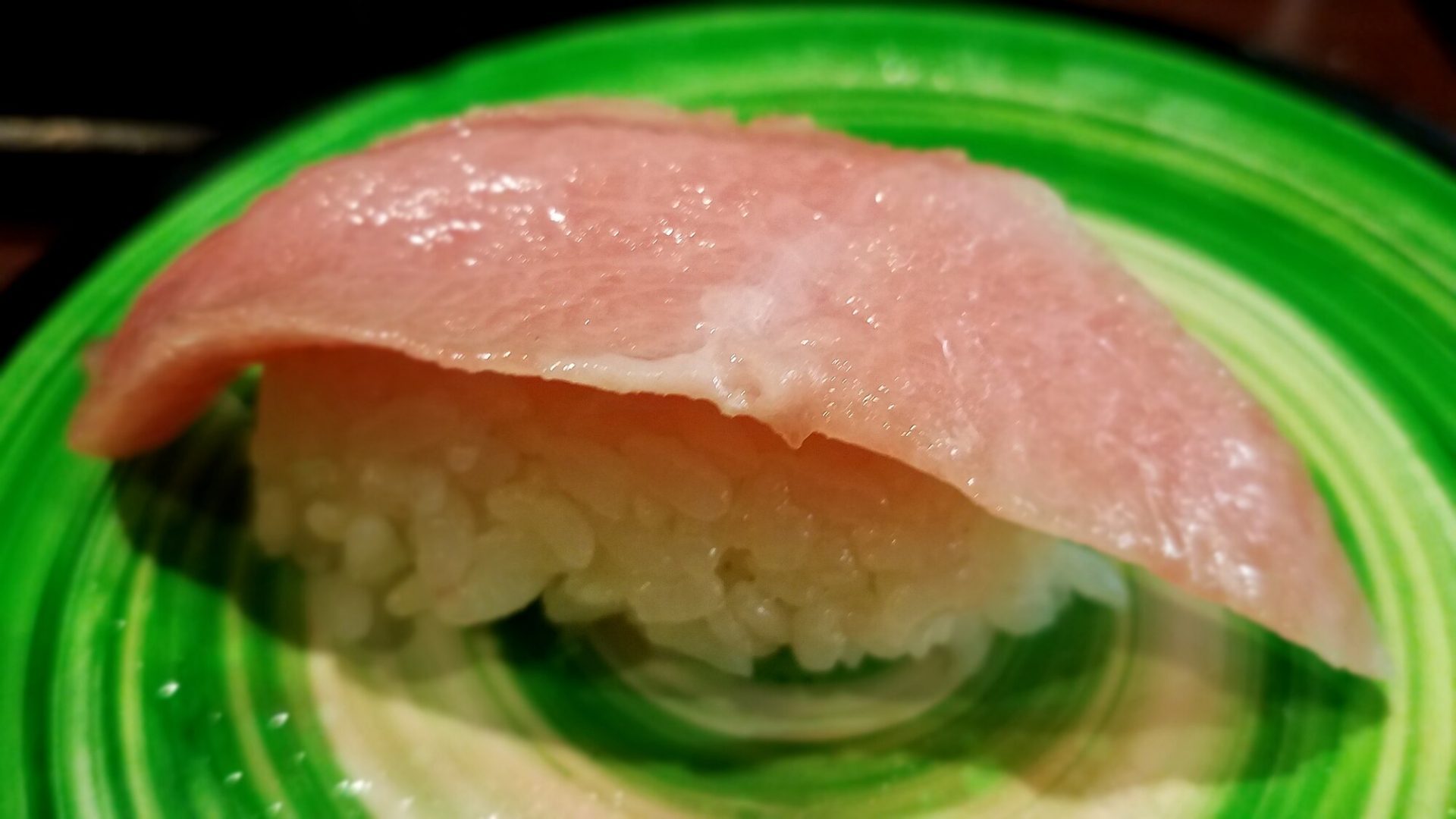
Otoro is the highest grade of toro and is obtained from the fattiest part of the tuna’s belly. It has a high fat content, which gives it a buttery texture and a rich flavor.
Otoro is usually pink in color and has a high degree of marbling, which is visible as white streaks running through the meat. It is the most expensive type of toro and is considered a delicacy in sushi restaurants.
Chutoro
Chutoro is the middle-grade of toro and is obtained from the less fatty part of the tuna’s belly. It has a lower fat content than otoro but is still considered a fatty cut of meat.
Chutoro has a pinkish-red color and less marbling than otoro. It has a less buttery texture and a less intense flavor than otoro but is still highly prized in sushi restaurants.
Akami
Akami is the leaner meat of the tuna and is obtained from the sides of the fish. It has a deep red color and a firm texture.
Akami has a lower fat content than toro and is less expensive than otoro and chutoro. It has a mild flavor and is often used in sushi rolls and sashimi.
In general, toro is obtained from bluefin tuna, but it can also come from other types of tuna such as yellowfin tuna or ahi. Bluefin tuna is the most prized type of tuna for sushi, and its toro is considered the best in terms of flavor and texture.
When ordering toro sushi, it is important to know which grade you prefer, as each grade has a different taste and texture.
Otoro is the fattiest and most flavorful, while chutoro is less fatty but still has a rich flavor. Akami is the leanest and has the mildest flavor.
Taste and Texture

The fantastic sirloin feel of bluefin tuna blends beautifully with the fatty tissue from the belly area to form a rich and creamy texture that melts inside the mouth.
The texture of toro is soft, tender, and almost melts in your mouth. The fat content in toro gives it a smooth and buttery texture that is unmatched by any other cut of tuna.
The high-fat content in toro makes it a delicacy that is rich in flavor and has a unique mouthfeel. Toro has a delicate texture that is tender and juicy, which makes it a favorite among sushi lovers.
The flavor of toro is rich and buttery, with a slightly sweet taste that is unique to this cut of tuna. Toro is known for its umami flavors, which are savory and delicious.
Toro Sushi Varieties
Toro sushi is a highly prized item in the menu, and there are different varieties of toro sushi available.
In this section, we will discuss some of the most popular varieties of toro sushi.
Hon-Maguro
Hon-maguro is the Japanese term used to indicate the bluefin tuna fish, which is considered the highest quality tuna for sushi. Hon-maguro is known for its rich flavor, high fat content, and buttery texture.
It is a highly prized ingredient in sushi and sashimi dishes. Hon-maguro is often used to make otoro sushi and tuna belly sushi.
Otoro Sushi
Otoro sushi is made using the fatty belly part of the bluefin tuna fish, which is known as otoro. Otoro is considered the most expensive and luxurious cut of tuna. It has a rich, buttery texture and a marbled appearance.
Otoro sushi is often served as nigiri sushi, which is a small ball of rice topped with a slice of otoro. Otoro sushi is a delicacy and is highly sought after by sushi lovers.
Tuna Belly
Tuna belly is the part of the tuna that is located between the head and the body. It is a fatty and flavorful cut of tuna that is often used to make sushi and sashimi dishes. Tuna belly is known for its rich flavor and tender texture. It is often used to make toro sushi, which is a highly prized item in the menu.
Demand for Toro Sushi

Toro sushi is considered a delicacy in the world of sushi. Its rich flavor and buttery texture make it a highly sought-after item on sushi menus. The high demand for toro sushi can be attributed to several factors.
Rarity
Toro sushi is made from the fatty belly part of the bluefin tuna fish, which is considered a rare and highly prized item. The scarcity of bluefin tuna is due to overfishing and habitat destruction. As a result, the supply of bluefin tuna has decreased significantly, making toro sushi even more valuable.
Exclusivity
The exclusivity of toro sushi also adds to its demand. Due to its rarity, toro sushi is often only available in high-end sushi restaurants, making it a luxury item that is not easily accessible to everyone. This exclusivity adds to its allure and demand.
Cultural Significance
Toro sushi also holds cultural significance in Japan, where it is considered a delicacy and a symbol of wealth and status. The high demand for toro sushi in Japan has led to an increase in its price, making it even more exclusive.
Health Benefits
Toro sushi is also believed to have health benefits due to its high omega-3 fatty acid content. Omega-3 fatty acids are essential for maintaining heart health and reducing the risk of heart disease.
This health benefit adds to the demand for toro sushi among health-conscious consumers.
Toro Sushi Menu and Sides
There are a few things to keep in mind to ensure that you are getting the most out of this delicacy.
Here are some tips for interpreting the toro sushi menu and sides:
Menu
Firstly, if you are ordering toro sushi at a restaurant, make sure to check the menu to see what type of toro is being served.
There are different grades of toro, with otoro being the fattiest and most expensive, followed by chu-toro and akami.
Make sure to choose the type of toro that suits your taste and budget.
Soy Sauce and Wasabi
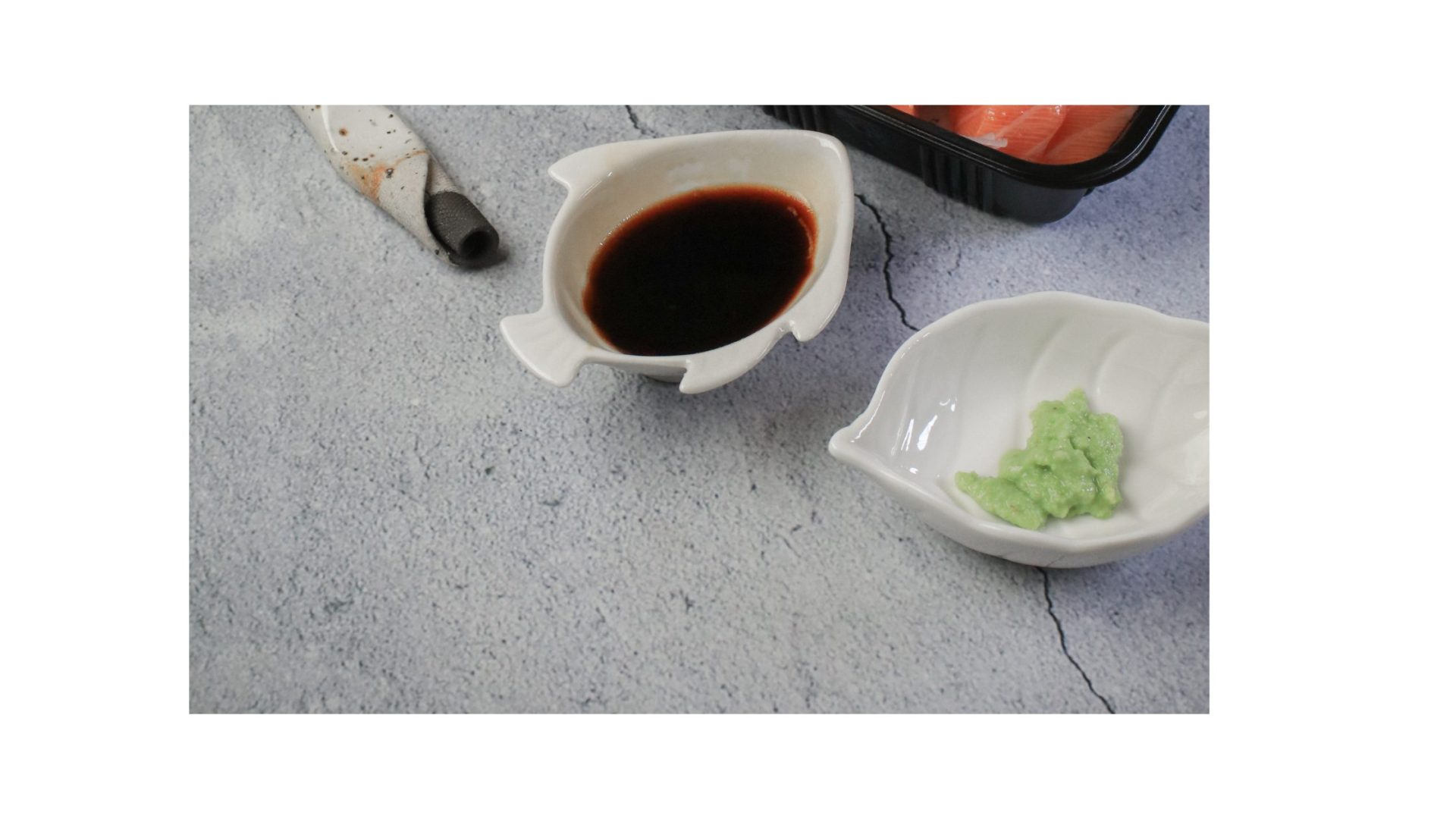
When it comes to dipping toro sushi in soy sauce, less is more. The flavor of toro is delicate and can easily be overwhelmed by too much soy sauce.
A small amount of soy sauce is enough to enhance the flavor of the fish.
Similarly, wasabi should be used sparingly to avoid overpowering the flavor of the toro.
Pickled Ginger
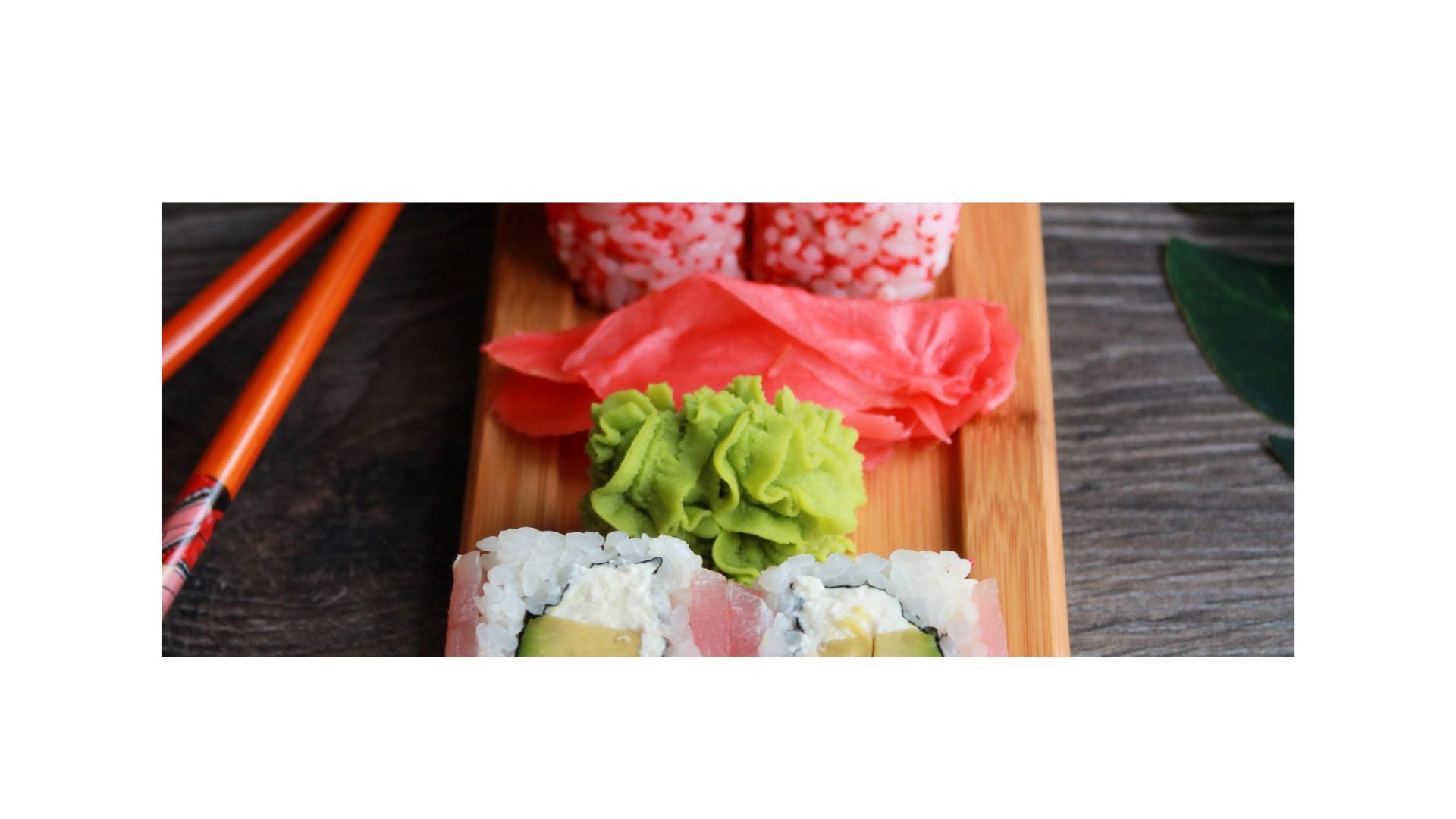
Pickled ginger is often served alongside toro sushi to cleanse the palate between bites.
It is important to eat the ginger separately from the sushi, rather than placing it on top of the toro. This is because the flavor of the ginger can overpower the delicate flavor of the toro.
Seared Tuna
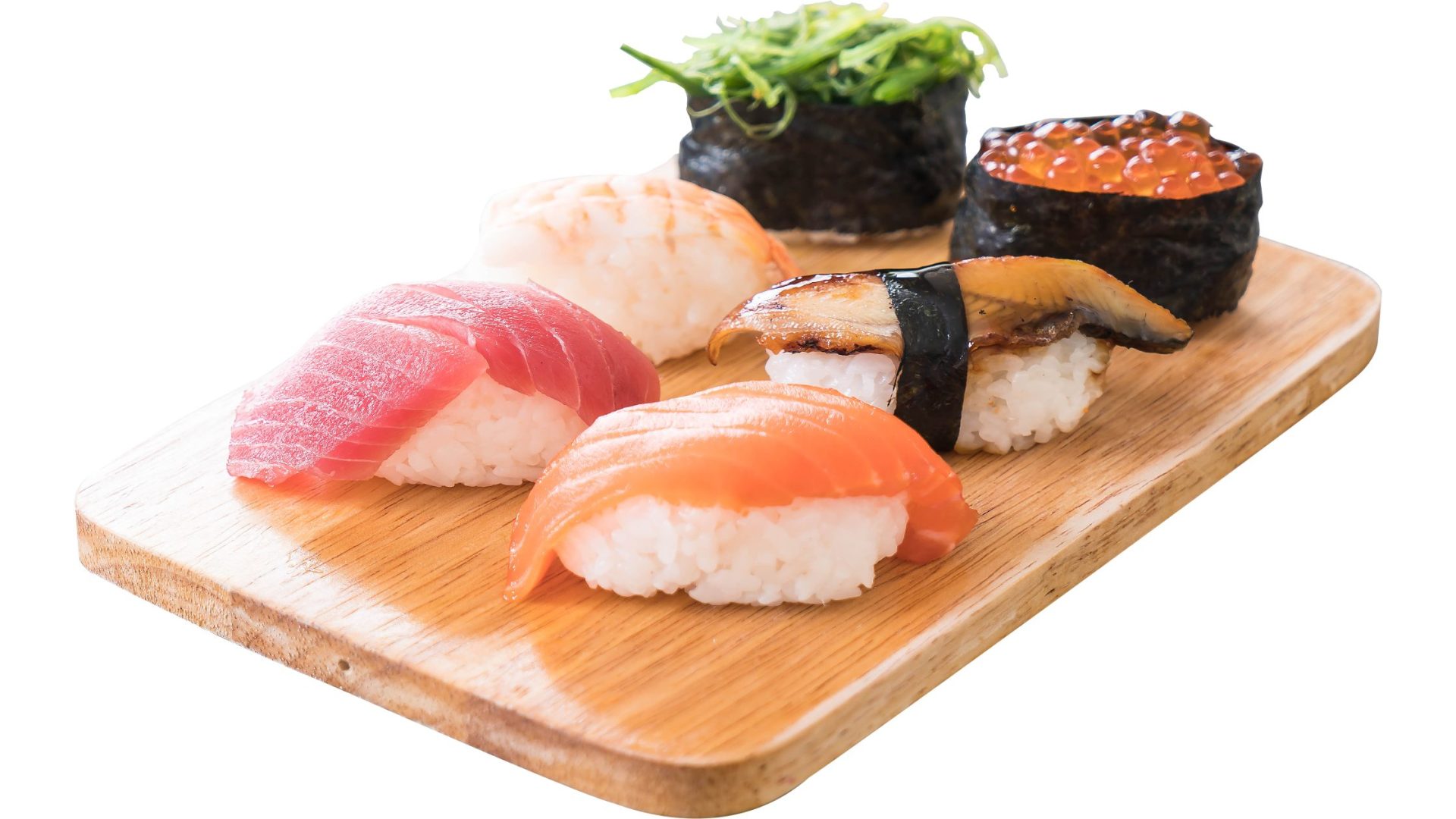
Some sushi restaurants offer seared toro sushi, which is toro that has been lightly seared on the outside.
This can add an extra layer of flavor and texture to the sushi.
If you are interested in trying seared toro sushi, make sure to ask the chef if it is available.
By following these tips, you can ensure that you are getting the most out of this prized delicacy.
Otoro vs. Chutoro: Understanding Toro Grades
Not all toro is created equal. The belly of the bluefin tuna is divided into distinct sections, each with different fat content, texture, and price. Understanding these grades will help you appreciate what you’re eating and make informed choices when ordering at a sushi restaurant.
Otoro (Large Fatty Tuna)
Otoro comes from the fattiest section of the tuna belly, closest to the head and along the underside of the fish. It’s the most prized and expensive cut, known for its intense marbling that resembles high-grade wagyu beef. When placed on your tongue, otoro practically melts — the fat content is so high that the fish dissolves almost instantly. The flavor is rich, buttery, and deeply savory with a sweetness that lingers. At top sushi restaurants in Tokyo, a single piece of otoro nigiri can cost $15 to $30 or more. Because of its richness, most diners eat only one or two pieces in a sitting.
Chutoro (Medium Fatty Tuna)
Chutoro comes from the area between the otoro (belly) and the akami (lean back meat). It has a beautiful balance of fat and lean flesh, offering a melt-in-your-mouth texture without being as overwhelmingly rich as otoro. Many sushi connoisseurs actually prefer chutoro because it delivers the best of both worlds: the creamy fat of toro with enough lean meat to showcase the tuna’s natural flavor. Chutoro is typically priced between akami and otoro, making it a popular choice for those who want the toro experience at a slightly more accessible price point.
Akami (Lean Tuna) — The Other Side of the Coin
While akami isn’t technically toro, it’s worth understanding where it fits in. Akami is the deep red, lean meat from the back and sides of the tuna. It has a clean, meaty flavor and a firmer texture. Akami is significantly less expensive than toro cuts and is what most people picture when they think of tuna sashimi. The contrast between akami and toro is stark — tasting them side by side is one of the best ways to develop your sushi palate.
How Much Does Toro Sushi Cost?
Toro pricing varies dramatically depending on where you eat, the species of tuna, and market conditions. Here’s a general guide to what you can expect to pay:
- Conveyor belt sushi (kaiten-zushi): Chutoro plates typically range from $5 to $10. Otoro may cost $8 to $15 per plate. Some budget chains offer toro at promotional prices.
- Mid-range sushi restaurants: Expect to pay $10 to $20 for a chutoro nigiri order (usually two pieces) and $15 to $30 for otoro.
- High-end omakase restaurants: At premium sushi counters in cities like Tokyo, New York, or Los Angeles, a single piece of otoro nigiri from a prized bluefin can cost $20 to $50. The total omakase meal, which typically includes toro, may run $200 to $500 or more per person.
- Buying at a fish market: If you visit places like Tsukiji Outer Market or a quality fish monger, toro sashimi-grade blocks can cost $40 to $80 per pound for chutoro and $80 to $150+ per pound for otoro, depending on the season and quality.
The price of toro fluctuates with the season. Winter-caught bluefin tuna (especially from Oma in Aomori Prefecture) commands the highest prices because the fish have built up the most fat. The famous first-of-the-year tuna auction at Toyosu Market regularly makes headlines with record-breaking prices, sometimes exceeding a million dollars for a single fish.
Frequently Asked Questions
Is toro sushi safe to eat raw?
Yes, toro is safe to eat raw when it comes from a reputable source and has been properly handled. Sushi-grade tuna is typically flash-frozen at extremely low temperatures to kill parasites before being thawed and served. Bluefin tuna, the most common source of premium toro, is considered one of the safest fish to eat raw because it’s less susceptible to certain parasites than other species. Always eat toro at trusted sushi restaurants that source their fish from quality suppliers.
What does toro taste like compared to regular tuna?
Toro has a dramatically different taste and texture compared to regular tuna (akami). While akami is lean, firm, and has a clean, meaty flavor, toro is rich, buttery, and melts on your tongue. The high fat content gives toro a creamy sweetness and a velvety texture that akami simply doesn’t have. Otoro is the richest, while chutoro offers a balance between the buttery fat and the clean tuna flavor. If you’ve only ever had canned tuna or lean tuna sashimi, toro will be a completely different experience.
Why is toro sushi so expensive?
Toro is expensive for several reasons. First, it comes from a limited portion of the tuna — the belly makes up only a small percentage of the total fish. Second, the most prized toro comes from bluefin tuna, which is increasingly scarce due to overfishing and strict catch quotas. Third, demand for toro has skyrocketed globally as sushi has become popular worldwide, particularly from markets in Japan, China, and the United States. Finally, proper handling, cold-chain logistics, and the expertise of skilled sushi chefs all add to the final cost.
Where can I find good toro sushi near me?
Look for sushi restaurants that specifically advertise toro or omakase menus — these are more likely to source high-quality fatty tuna. Japanese-owned sushi bars and restaurants with a visible sushi counter where chefs prepare food in front of you are generally good indicators of quality. In the United States, cities with large Japanese populations (Los Angeles, New York, San Francisco, Honolulu) tend to have the best options. You can also find toro at Japanese fish markets and some high-end grocery stores like Whole Foods or specialty Asian markets like Mitsuwa and H Mart.
Ordering Toro Sushi
If you’re interested in trying toro sushi, there are a few things you should know about ordering it. Here are some tips to help you order toro sushi like a pro.
Catalina Offshore
If you’re looking for high-quality toro sushi, consider ordering from Catalina Offshore. They specialize in premium seafood, including toro, and offer a wide selection of sushi and sashimi. Their toro is sourced from Japan and is of the highest quality.
Location
Catalina Offshore is located in San Diego, California. They have a retail store where you can purchase toro sushi, as well as an online store where you can order toro sushi to be delivered to your doorstep.
Hours
Catalina Offshore’s retail store is open Monday through Friday from 8:00 am to 3:00 pm and on Saturdays from 8:00 am to 2:00 pm. Their online store is open 24/7, so you can order toro sushi anytime.
Delivery
Catalina Offshore offers nationwide shipping, so you can enjoy toro sushi no matter where you are in the United States. They also offer local delivery in the San Diego area.
Takeout
If you prefer to pick up your toro sushi in person, you can place a takeout order at Catalina Offshore’s retail store. They offer a wide selection of sushi and sashimi, as well as other seafood products.
Payment
Catalina Offshore accepts a variety of payment methods, including credit cards. They also offer financing options for larger orders, so you can enjoy toro sushi without breaking the bank.
Overall, ordering toro sushi is a simple process, and with these tips, you can enjoy this delicious delicacy with confidence. Whether you’re ordering from Catalina Offshore or another sushi restaurant, be sure to ask your server about the quality of the toro and where it was sourced from.