Genmai Amakoji Recipe: Make Japan’s Natural Brown Rice Sweetener at Home
If you are curious about Japanese fermentation and looking for a naturally sweet, probiotic-rich ingredient you can make at home, genmai amakoji is the perfect place to start. This fermented brown rice recipe uses komekoji (rice koji) to transform plain cooked brown rice into something remarkably sweet, without any added sugar.

I make amakoji at home on a regular basis. It is one of those staple fermented foods in my kitchen that I always have on hand, and once you try it, you will understand why. The process is simple, the result is delicious, and the health benefits are a huge bonus.
What Is Amakoji?
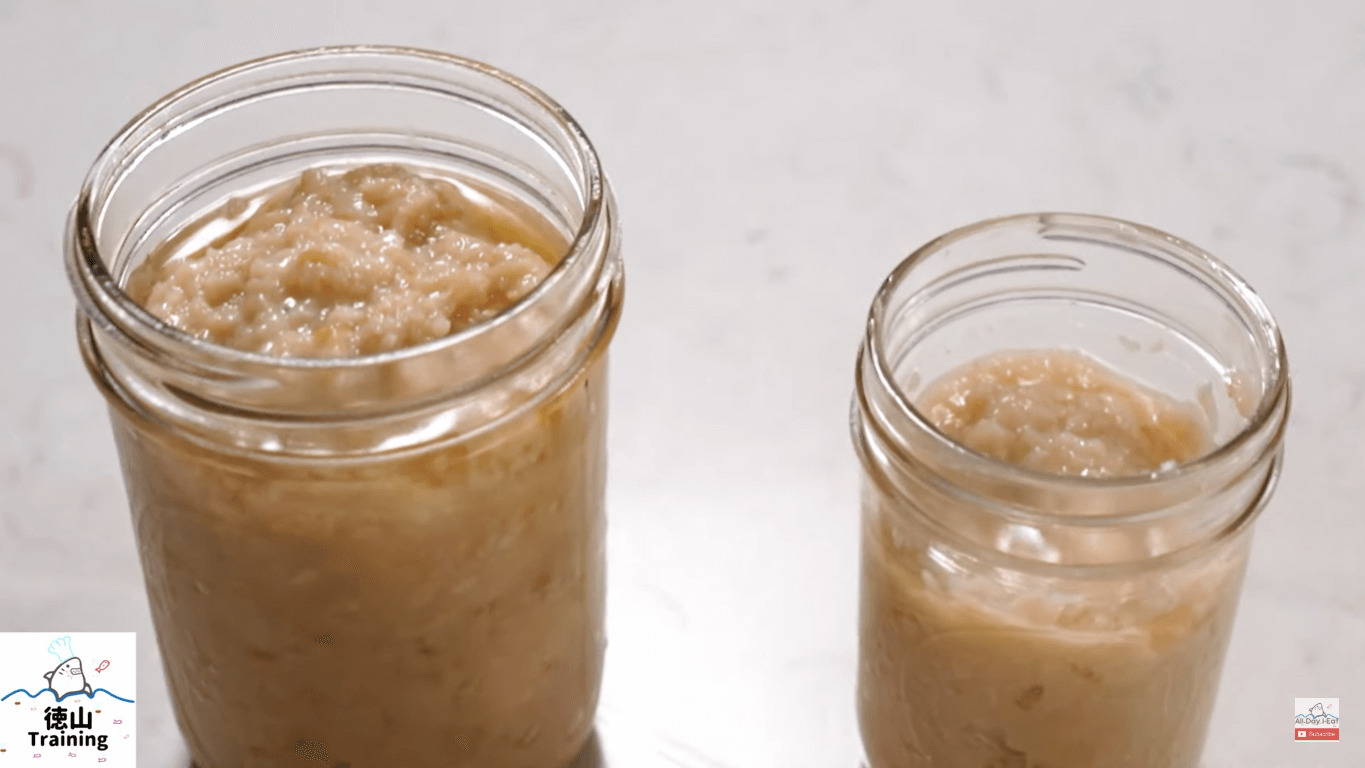
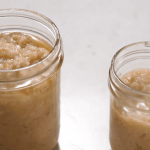
Amakoji is a thick, naturally sweet Japanese paste made by fermenting komekoji (rice koji) with cooked rice and warm water, with no added sugar.
Amakoji literally means “sweet koji.” In Japanese, amai means sweet, and koji refers to Aspergillus oryzae, the beneficial mold that is behind so many of Japan’s greatest fermented foods. Koji is used to make soy sauce, miso, sake, and much more. It is also the foundation for other koji-based condiments like shio koji (salted koji rice) and shoyu koji (soy sauce koji), which use the same Aspergillus oryzae mold in different preparations.
When you combine komekoji (rice that has been inoculated with koji mold) with cooked rice and warm water, the enzymes in the koji break down the starches in the rice into natural sugars. The result is a thick, porridge-like paste that tastes surprisingly sweet, and no sugar is added at all.
Think of amakoji as a concentrated, naturally fermented sweetener that you can use in all kinds of ways.
Amakoji vs. Amazake: What Is the Difference?
This is one of the most common questions I get, so let me clear it up.
Amakoji is the thick, concentrated paste you get after fermenting komekoji with cooked rice and water. It has a porridge-like consistency and an intensely sweet flavor.
Amazake literally means “sweet sake,” and it is a popular fermented rice drink you will find all over Japan, at shrines during New Year’s, at festivals, and in convenience stores. Despite the name, the koji-based version contains no alcohol.
Here is the simple connection: amazake is just diluted amakoji. Take your finished amakoji, mix it 1:1 with water, and you have got amazake. That is it. So when you make this amakoji recipe, you are also one step away from making your own brown rice amazake at home. For more, see our guide on traditional brown rice dish.
Why Make Genmai (Brown Rice) Amakoji?
You can make amakoji with any type of rice, but I love using brown rice (genmai) for several reasons:
- More nutritious: Brown rice retains its bran layer, which means more fiber, B vitamins, and minerals compared to white rice
- Deeper flavor: Genmai amakoji has a richer, nuttier taste that I find more complex and satisfying than the white rice version
- Better texture: The slight chewiness of brown rice gives the finished amakoji a more interesting mouthfeel
That said, you can absolutely swap in other types of rice. Jasmine rice gives a floral, nuanced flavor. White rice produces a milder, cleaner sweetness. You could even use zakkokumai (mixed grain rice with millet and beans) for something really unique. Glutinous (mochi) rice works too.
Health Benefits of Amakoji and Fermented Brown Rice
In Japan, amazake is sometimes called a “drinkable IV” (nomu tenteki) because of how nutrient-dense it is. Here is what makes amakoji such a powerhouse:
- Natural probiotics and enzymes: The fermentation process produces beneficial enzymes and promotes gut-friendly microorganisms that support digestive health
- No added sugar: All the sweetness comes from the koji enzymes breaking down rice starches into glucose and other simple sugars. It is a completely natural process
- Rich in B vitamins: The fermentation produces B1, B2, B6, and other B vitamins that support energy metabolism
- Easy to digest: Since the koji has already broken down the complex carbohydrates, amakoji is gentle on your stomach
- Contains essential amino acids: The koji produces amino acids during fermentation, contributing to the umami depth of flavor
When you use brown rice, you get the added benefits of extra fiber and nutrients from the bran layer that white rice lacks.
How the Fermentation Process Works
During fermentation, enzymes in the koji (mainly amylase) break down the starches in cooked rice into simple sugars, which is what makes amakoji sweet without any added sugar.
Understanding what is happening during fermentation will help you make better amakoji, so here is a quick breakdown.
Komekoji contains powerful enzymes, primarily amylase, that break down starch molecules into simple sugars. When you mix komekoji with warm cooked rice and water at around 55 to 60 degrees Celsius (131 to 140 degrees Fahrenheit), you are creating the perfect environment for these enzymes to do their work.
Over 12 to 16 hours, the koji enzymes steadily convert the rice starches into glucose. That is why amakoji gets sweeter the longer you ferment it. The temperature is critical:
- Too cold (below 50 degrees C / 122 degrees F): The enzymes work too slowly, and you may end up with a more acidic, less sweet result
- Just right (55 to 60 degrees C / 131 to 140 degrees F): The sweet spot where enzymes are most active and produce maximum sweetness
- Too hot (above 65 degrees C / 149 degrees F): You will kill the koji, and fermentation stops completely
Equipment You Need for Making Amakoji
One of the best things about this fermented brown rice recipe is that you do not need much equipment:
- Yogurt maker with temperature control — This is what I use and highly recommend. I use a Tanica Yogurtia, a Japanese yogurt maker that is compact and perfect for small kitchens. You can set the exact temperature and walk away. I have also used it to make natto, sourdough starter, yogurt, and more.
- Kitchen thermometer — Essential for checking the water temperature before mixing and verifying your fermentation temperature
- Kitchen scale — For weighing your ingredients to maintain the proper 1:1:1 ratio
- Mixing bowl and spoon — For combining your ingredients

Do not have a yogurt maker? You can use a rice cooker with the lid propped open. The “keep warm” setting on many rice cookers sits around the right temperature range. Just make sure to monitor it with a thermometer, since the temperature can fluctuate more than with a dedicated yogurt maker.
Key Tips for Perfect Genmai Amakoji
I have made amakoji many times, and I have learned a few things the hard way. Here is what will help you get it right, especially if it is your first time:
Get the Ratio Right
The golden rule is a 1:1:1 ratio, equal parts komekoji, cooked rice, and water by weight. For this recipe, that is 200g of each. Stick to this ratio and you will get consistent results every time.
Temperature Is Everything
I cannot stress this enough. Keep your fermentation temperature at 55 to 60 degrees C (131 to 140 degrees F). The first time I made amakoji, I did not pay close enough attention to the temperature and ended up with an under-fermented, funky-tasting batch. A yogurt maker with temperature control takes all the guesswork out of this.
Stir 2 to 3 Times During Fermentation
During the 12 to 16 hour fermentation, give the mixture a good stir 2 to 3 times at regular intervals. This ensures even fermentation throughout. I usually set it up before bed, stir once before sleeping, and stir again first thing in the morning.
When in Doubt, Ferment Longer
If you are not sure whether it is done, let it go a bit longer. The amakoji will only get sweeter as fermentation continues. I would rather over-ferment slightly than end up with a batch that is not sweet enough. For your first time, aim for 14 to 16 hours total.
Do Not Worry About the Texture
When you first mix everything together, it might look like there is not enough liquid. Do not add more water. As the koji enzymes break down the rice, the mixture naturally becomes more liquidy and porridge-like. Trust the process.
Keep Things Clean
Sterilize your equipment before starting. If anything falls on the counter, do not put it back. You do not want the koji competing with other microorganisms. Also, smooth out the surface of the mixture in your container so fermentation happens evenly with no gaps.
How to Use Amakoji
This is where it gets fun. Amakoji is incredibly versatile, and once you have a batch in your fridge, you will find yourself reaching for it constantly. Here are some of my favorite ways to use it:
- Make amazake: Dilute amakoji 1:1 with warm water for a naturally sweet, comforting fermented rice drink. This is the most traditional use.
- Sweeten smoothies: I add a spoonful to my fruit smoothies instead of honey or sugar. It adds sweetness plus a subtle fermented depth
- Mix into yogurt: Stir a tablespoon into plain yogurt for a naturally sweetened, probiotic-packed snack
- Use as a marinade base: Just like shio koji, amakoji can be used to marinate proteins. The enzymes tenderize meat while adding a subtle sweetness
- Replace sugar in baking: Substitute amakoji for sugar in recipes where a mild, complex sweetness works well, such as matcha pancakes or quick breads
- Sweeten oatmeal or porridge: A spoonful stirred into your morning bowl adds natural sweetness and extra nutrition
- Make salad dressings: Blend amakoji into vinaigrettes for a sweet-tangy Japanese-inspired dressing
The beauty of it is that you are sweetening food with a whole, fermented ingredient rather than refined sugar. The koji has already done the work of converting starches into sugars for you.
How to Store Amakoji
Store amakoji in an airtight container in the refrigerator for up to one week, or freeze it in small portions for several months.
Proper storage is important because amakoji is a living, fermented product:
- Refrigerator: Store in an airtight container in the fridge for up to one week. The fermentation will slow down significantly but will not stop completely, so the flavor may continue to develop slightly.
- Freezer: For longer storage, freeze amakoji in ice cube trays or small portions. It keeps well for several months in the freezer, and you can thaw individual portions as needed.
- Signs it has gone bad: If you notice liquid separating significantly, off smells, or visible mold growth (different from the white koji mold), it is time to discard it and make a fresh batch.
I usually make a batch and use half throughout the week while freezing the other half in portions for later. That way I always have some on hand.
Where to Buy Komekoji
You can buy dried komekoji (rice koji) at well-stocked Japanese grocery stores, from online retailers including Amazon, or grow your own koji at home.
If you are wondering where to find komekoji (rice koji), here are your best options:
- Japanese grocery stores: Most well-stocked Japanese grocery stores carry dried komekoji in the refrigerated section
- Online retailers: You can find komekoji on Amazon and specialty fermentation supply websites
- Make your own: If you are feeling adventurous, you can grow your own koji at home. I have a guide for that too
Look for dried rice koji. It is shelf-stable and keeps for months in the pantry.
Genmai Amakoji – (fermented brown rice with komekoji)
- Yield: 2.5 cups 1x
Ingredients
Units
Scale
- 200 ml water (at about 65 degrees C (149 F))
- 200 grams komekouji (*uncooked rice inoculated with kouji mold)
- 200 grams cooked brown rice (*alternatively, any other type of rice)
Instructions
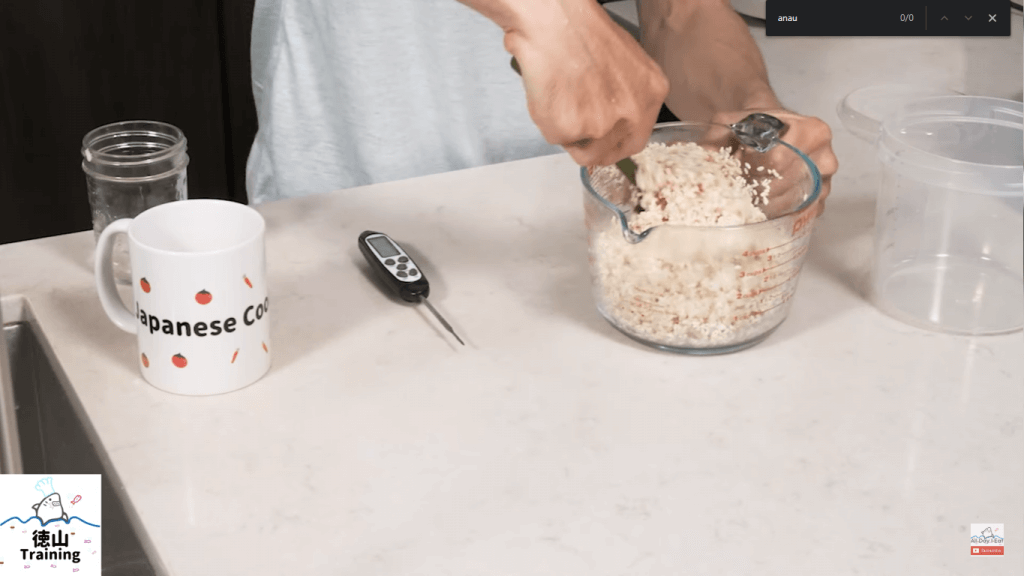
- First step is to weigh out your ingredients so that you have the correct ratio and rate of fermentation.
- Add the warm water to the cooked rice and stir to break up clumps.
- Add the komekouji to the cooked rice water mixture and gently mix until evenly distributed.
- Add this mixture to your yogurt maker (or rice maker with the lid open) and allow to ferment for a minimum of 12 hours mixing 2-3 times at even intervals to ensure even fermentation.**
- Dilute the amakouji 1-1 with water to make amazake (sweet sake), or use in place of any other sweetener for a sweet and slightly fermented layer of flavor.
Notes
- ** While fermenting it’s important that you maintain the temperature at 55- 60 degrees C max
(131-140F). Too cool and it won’t ferment properly, too hot and you’ll kill the kouji and it won’t
ferment at all. - You can use different types of rice which will result in different flavors and aromas. For example, jasmine rice, basmati rice, or even a bowl of mixed grain rice (zakkokumai) which has grains mixed in! All of these variations will result in a slightly different flavor and character of amakouji which will help things keep interesting throughout the year.
- Use a thermometer to check the temperatures for the water, cooked rice, and yogurt maker/rice
maker if using. - The longer you let the amakouji ferment, the sweeter it will get.
- You can taste the amakouji at around the 12-hour mark to see how far along it is, if it’s your first time, I’d recommend fermenting at least 2-4 hours past (14-16 hours total) so that you don’t end up with any funky flavors and a very sweet amakouji.
- Although it is fermented, you should use or freeze it within a week. Beyond that, you may notice liquid starts to separate and/or may grow mold.
Amakoji vs. Other Natural Sweeteners
If you are already reaching for natural sweeteners in your cooking, you might be wondering how amakoji stacks up against the usual options. Here is a honest comparison that explains why I keep coming back to amakoji as my go-to sweetener.
Amakoji vs. Honey
Honey is probably the most popular natural sweetener, but amakoji has some clear advantages. Amakoji is completely vegan, which honey is not. While honey delivers a straightforward sweetness, amakoji offers a more complex, layered flavor with subtle umami notes from the koji fermentation. Amakoji is less sweet than honey, which actually makes it more versatile since you can use it generously without overwhelming a dish. Honey also lacks the beneficial enzymes and probiotics that come from koji fermentation.
Amakoji vs. Maple Syrup
Maple syrup and amakoji share a similar versatility. Both work well in drinks, baking, and as toppings. . Maple syrup is also significantly more expensive and less sustainable to produce than amakoji, which you can make at home from just rice and koji. Flavor-wise, maple syrup has a distinct caramel profile, while amakoji provides a cleaner sweetness with fermented depth.
Amakoji vs. Agave
. Amakoji has a lower glycemic impact because its sugars come from the enzymatic breakdown of complex starches, producing a mix of glucose and oligosaccharides rather than concentrated fructose. Amakoji also delivers B vitamins, amino acids, and active enzymes that agave lacks entirely.Amakoji vs. Stevia
Stevia provides zero-calorie sweetness, but that is essentially all it does. It contributes no nutritional value, no enzymes, no probiotics, and no flavor complexity. Many people also find stevia has an unpleasant bitter aftertaste. Amakoji provides actual nutrition: B vitamins, beneficial enzymes, amino acids, and digestive support. Yes, amakoji has calories from the natural sugars, but those calories come packaged with genuine nutritional value rather than empty sweetness.
For health-conscious cooks who want a sweetener that actually contributes something beyond just sweetness, amakoji is in a category of its own. It is a whole, fermented food rather than an extracted or processed sweetener, and that fundamental difference shows in both its nutritional profile and its flavor.
Frequently Asked Questions
Is amakoji the same as amazake?
Not exactly. Amakoji is the thick, concentrated fermented paste made from komekoji, cooked rice, and water. Amazake is the drinkable version made by diluting amakoji 1:1 with water. Amakoji is the base ingredient; amazake is the finished drink.
Does amakoji contain alcohol?
No. Even though amazake translates to “sweet sake,” the koji-based fermentation process used here does not produce alcohol. The enzymes convert starch into sugar, not alcohol. It is safe for everyone, including children.
Can I use white rice instead of brown rice?
Absolutely. White rice produces a milder, cleaner-tasting amakoji. Brown rice (genmai) gives a nuttier, more complex flavor with added nutritional benefits. You can also use jasmine, glutinous, or mixed grain rice for different flavor profiles.
What if my amakoji is not sweet after 12 hours?
Keep fermenting. The most common cause of insufficient sweetness is either not enough time or temperature too low. Check that you are maintaining 55–60°C (131–140°F) and give it a few more hours. Taste again at the 14–16 hour mark.
Can I make amakoji without a yogurt maker?
Yes. Use a rice cooker set to “keep warm” with the lid propped slightly open. Maintain around 55–60°C (131–140°F) and monitor with a thermometer — rice cookers can run hotter than ideal. An oven with just the light on also works.
Is amakoji good for gut health?
Yes. . . Regular consumption of fermented foods like amakoji is associated with improved digestive health.
How much amakoji should I use as a sweetener?
Start with 1–2 tablespoons and adjust to taste. Amakoji is milder than refined sugar, so you may need more than expected. About 2 tablespoons work well in a smoothie or bowl of yogurt.
Can I use amakoji in baking?
Yes. Replace sugar at roughly 1.5× the amount since amakoji is less sweet than refined sugar. Also reduce other liquids slightly since amakoji adds moisture. It works especially well in muffins, pancakes, and quick breads.