How Many Calories in a Sushi Roll: A Comprehensive Guide
Last updated: April 2026
Sushi is a popular Japanese dish that has gained popularity worldwide. It is a dish that consists of vinegared rice, raw or cooked seafood, vegetables, and other ingredients. Sushi rolls, also known as makizushi, are a favorite among sushi lovers. But have you ever wondered about the nutritional content of your favorite sushi roll? In this article, we will explore the number of calories in a sushi roll and other important nutritional information. Sushi rolls come in various types and sizes, and the nutritional content can vary greatly depending on the ingredients used. Some sushi rolls are low in calories and fat, while others can be high in both. It is essential to understand the nutritional content of sushi rolls to make informed choices about your diet. We will discuss the nutritional content of sushi rolls, including calories, protein, carbs, fat, and sodium, and explore healthy sushi choices and high-calorie ingredients to watch out for.Key Takeaways
- A typical 6-piece sushi roll contains between 135–500 calories depending on ingredients — simple fish-and-vegetable rolls average around 200–255 calories, while fried or cream-cheese rolls can reach 500 calories.
- Sushi rolls, also called makizushi, are a category of sushi — a Japanese dish of vinegared rice combined with seafood, vegetables, or other fillings wrapped in dried seaweed (nori).
- High-calorie additions such as tempura batter, spicy mayo, cream cheese, and eel sauce are the primary drivers of calorie differences between rolls.
- Lower-calorie choices include sashimi, cucumber rolls (kappa maki), vegetable rolls, and plain tuna or salmon rolls without added sauces.
- Condiments like soy sauce can contribute up to 900 mg of sodium per tablespoon, making them a key factor in overall sodium intake from a sushi meal.
What Is Sushi?
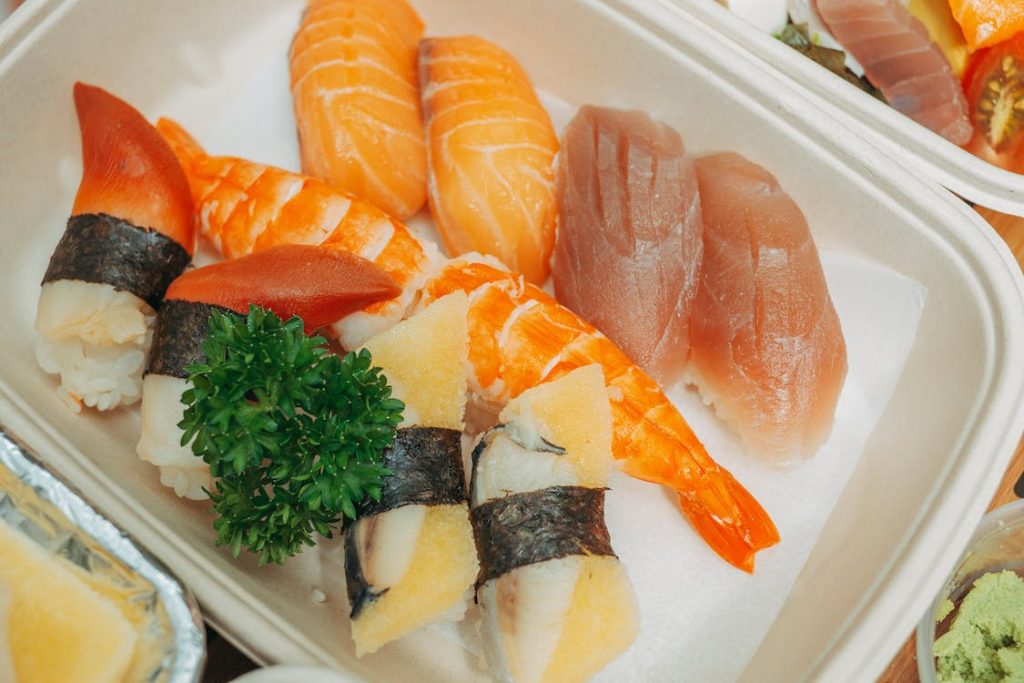 Sushi is a Japanese dish whose defining element is shari — short-grain rice seasoned with rice vinegar, sugar, and salt — combined with various toppings or fillings. Sushi (寿司) is a broad culinary term covering several formats; makizushi (巻き寿司), the sushi roll familiar in Western restaurants, is made by wrapping shari and fillings in nori (dried seaweed) and slicing into bite-sized rounds. The dish is often served with soy sauce, pickled ginger, and wasabi.There are several types of sushi, including nigiri sushi, maki rolls, and sushi pieces. Nigiri sushi is a type of sushi that consists of a small ball of rice topped with a slice of raw fish or other ingredients. Maki rolls, also known as sushi rolls, are made by wrapping sushi ingredients in seaweed and rice, and then cutting the roll into bite-sized pieces. Sushi pieces are simply pieces of sushi that are served individually.The ingredients used in sushi can vary widely, depending on the type of sushi and the region in which it is prepared. Raw fish is a common ingredient in many types of sushi, but cooked fish, vegetables, and other ingredients can also be used. Seaweed is often used to wrap sushi rolls and adds a distinct flavor to the dish.When it comes to sushi rolls, the calorie count can vary widely depending on the ingredients used. Maki rolls with fish, vegetables, and without extra sauces tend to have a lower calorie count, while rolls with fried tempura batter or lots of extra fillings and sauces tend to have a higher calorie count. A typical 6-piece sushi roll contains between 200–250 calories.Overall, sushi is a delicious and widely enjoyed dish that can be prepared in a variety of ways. Whether you prefer nigiri sushi, maki rolls, or sushi pieces, there is sure to be a sushi dish that suits your tastes.
What Types of Sushi Rolls Are There?
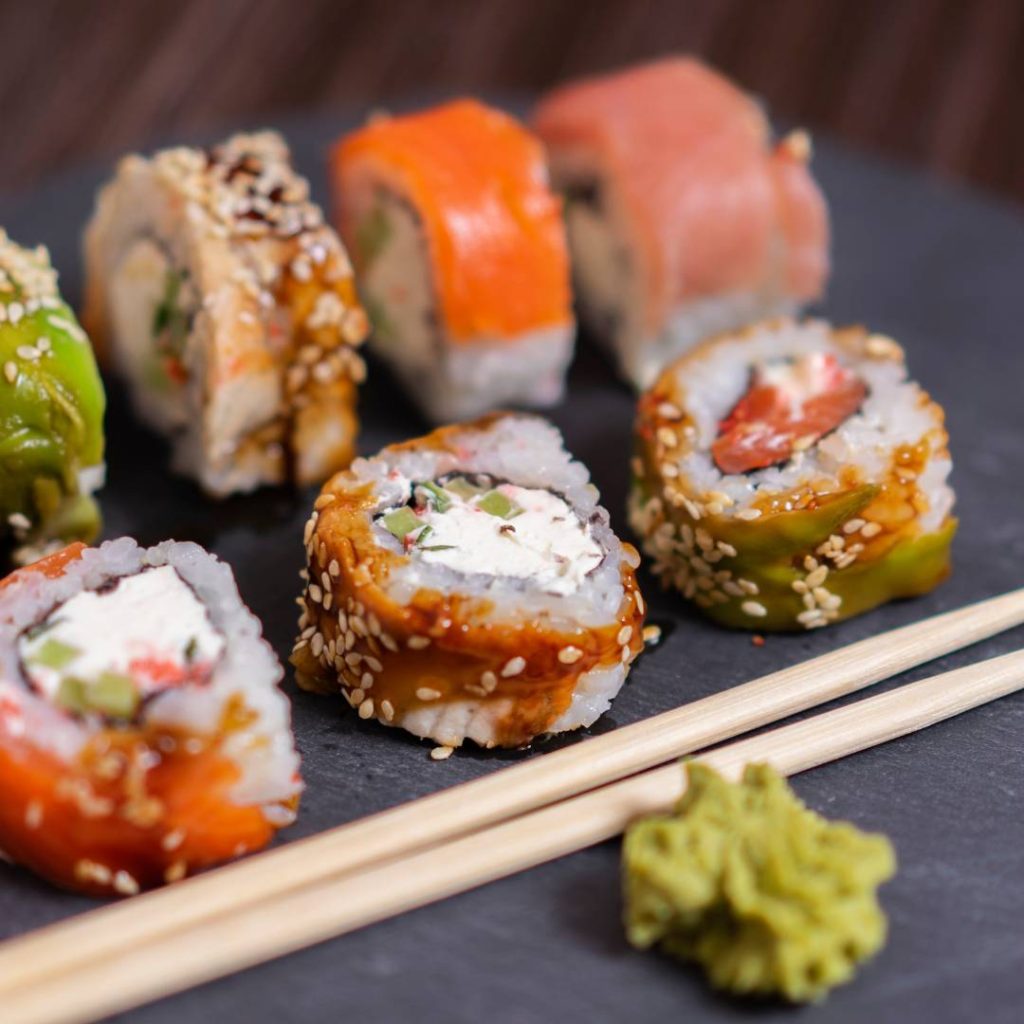 Sushi rolls span a wide spectrum — from simple two-ingredient rolls under 150 calories to elaborate restaurant creations exceeding 500 calories per roll. Here are some of the most popular types of sushi rolls:
- California Roll — Best for: beginners and those who prefer cooked seafood. This is a classic sushi roll that is perfect for beginners. It typically contains imitation crab meat, avocado, and cucumber. The roll is then wrapped in seaweed and rice. (~255 calories per 6 pieces)
- Tempura Roll — Best for: those who enjoy a crispy, indulgent treat. This is a deep-fried sushi roll that is crispy on the outside and soft on the inside. It usually contains shrimp tempura, avocado, and cucumber. This roll is higher in calories due to the deep-frying process. (~400–500 calories per 6 pieces)
- Spicy Tuna Roll — Best for: spice lovers who want a protein-forward roll. This roll typically contains raw tuna, spicy mayo, and cucumber. The spicy mayo adds a creamy texture to the roll. (~290 calories per 6 pieces)
- Shrimp Tempura Roll — Best for: seafood lovers who enjoy crunch and richness. This roll is similar to the tempura roll but contains shrimp tempura instead of vegetables. (~500 calories per 6 pieces)
- Rainbow Roll — Best for: those who enjoy a variety of fish flavors. It typically contains crab, avocado, and cucumber, then topped with a variety of fish such as tuna, salmon, and yellowtail. (~475 calories per 6 pieces)
- Spider Roll — Best for: adventurous eaters who want to explore soft-shell crab. This roll contains soft-shell crab, avocado, and cucumber.
- Philadelphia Roll — Best for: cream cheese fans and those who enjoy rich, Western-style sushi. It typically contains smoked salmon, cream cheese, and cucumber. (~300 calories per 6 pieces)
- Tuna Roll — Best for: purists who want a lean, simple roll. It typically contains raw tuna and cucumber. (~184 calories per 6 pieces)
- Avocado Roll — Best for: vegetarians, vegans, and those watching calories. It typically contains avocado and cucumber. (~140 calories per 6 pieces)
- Salmon Roll — Best for: those who love raw salmon and a straightforward flavor. It typically contains raw salmon and cucumber. (~231 calories per 6 pieces)
- Dragon Roll — Best for: eel enthusiasts who want an eye-catching presentation. It typically contains eel, avocado, and cucumber, topped with avocado slices to resemble dragon scales.
- Eel Avocado Roll — Best for: those who love the sweet, savory combination of eel and creamy avocado. It typically contains eel and avocado.
- Caterpillar Roll — Best for: eel lovers who prefer a more decorative presentation. This roll is similar to the dragon roll but contains eel instead of crab.
- Shrimp Roll — Best for: cooked-seafood lovers who want a lighter option. It typically contains cooked shrimp and cucumber.
- Veggie Roll — Best for: vegetarians, vegans, and anyone seeking a very low-calorie option. It typically contains a variety of vegetables such as cucumber, avocado, and carrot. (~136 calories per 6 pieces)
- Spicy Salmon Roll — Best for: salmon fans who enjoy a kick of heat. This roll is similar to the spicy tuna roll but contains salmon instead of tuna.
- Tuna Maki — Best for: traditionalists who want an authentic, minimalist sushi experience. This is a classic sushi roll that typically contains raw tuna and rice.
- Sushi Chefs: Sushi chefs are the experts who create these delicious sushi rolls. They have years of experience and use only the freshest ingredients to create the perfect roll.
Sushi Roll Calorie Comparison Table
| Sushi Roll | Approx. Calories (6 pieces) | Key Ingredients | Best For |
|---|---|---|---|
| Cucumber Roll (Kappa Maki) | ~135 | Cucumber, rice, nori | Lowest-calorie option |
| Avocado Roll | ~140 | Avocado, rice, nori | Vegetarians / vegans |
| Veggie Roll | ~136–160 | Mixed vegetables, rice, nori | Plant-based diets |
| Tuna Roll | ~184 | Raw tuna, rice, nori | Lean protein |
| Salmon Roll | ~231 | Raw salmon, rice, nori | Omega-3 intake |
| California Roll | ~255 | Imitation crab, avocado, cucumber | Beginners / cooked seafood |
| Spicy Tuna Roll | ~290 | Tuna, spicy mayo, cucumber | Spice lovers |
| Philadelphia Roll | ~300 | Smoked salmon, cream cheese, cucumber | Cream cheese fans |
| Dragon / Rainbow Roll | ~475 | Eel or mixed fish, avocado, toppings | Special occasion / variety |
| Shrimp Tempura Roll | ~500 | Shrimp tempura, avocado, cucumber | Indulgent treat |
What Is the Nutritional Content of a Sushi Roll?
 A 6-piece sushi roll typically ranges from approximately 135 to 500 calories, with most standard rolls falling between 200 and 300 calories — the wide range reflects the dramatic caloric impact of ingredients like tempura batter, cream cheese, and rich sauces. According to the U.S. Department of Agriculture FoodData Central (USDA, 2024), nutrient composition varies significantly based on preparation method and individual ingredients, making it important to consider each component of a sushi roll when estimating its caloric value.
Calories in a Sushi Roll
The number of calories in a sushi roll depends on the ingredients used. Rolls that contain fish or seafood are generally higher in protein and lower in calories than rolls that contain cream cheese or fried ingredients. For example, a typical California roll contains around 255 calories, while a spicy tuna roll contains around 290 calories.In terms of macronutrients, sushi rolls are typically low in fat and high in carbs. The carbs in sushi come from the rice used, which is high in starch. Rolls that contain vegetables are also high in fiber, which can help keep you feeling full for longer.Sodium and Cholesterol
Sushi rolls can be high in sodium, especially if they contain soy sauce or other salty condiments. Soy sauce is a common dipping sauce for sushi and can add up to 900 milligrams of sodium per tablespoon. Rolls that contain seafood are also naturally high in sodium. For example, a salmon roll contains around 300 milligrams of sodium.Sushi rolls are generally low in cholesterol, as they do not contain any animal products except for seafood. Rolls that contain avocado or cream cheese may be higher in saturated fat, which can contribute to high cholesterol levels.Vitamins and Minerals
Sushi rolls can be a good source of vitamins and minerals, especially if they contain vegetables or seafood. Rolls that contain seaweed are particularly high in iodine, which is important for thyroid function. Rolls that contain salmon or tuna are also high in omega-3 fatty acids, which are important for heart health.Overall, sushi rolls can be a nutritious meal option, especially if you choose rolls that contain seafood and vegetables. However, it is important to be mindful of the calorie and sodium content, especially if you are watching your weight or have high blood pressure.Which Sushi Rolls Are the Healthiest?
The healthiest sushi choices are those built on fish, vegetables, and plain rice — without fried coatings or heavy sauces — as these tend to be lowest in calories, fat, and added sodium. Here are some healthy sushi choices that you can consider:Sashimi
Sashimi is thinly sliced raw fish that is served without rice. It is a great option for those who are looking for a low-carb and low-calorie meal. Some of the most popular types of sashimi include salmon, tuna, squid, octopus, and flounder. Sashimi is a simple, nutrient-dense sushi menu item that is high in protein and healthy fats. It is also low in calories and carbs, making it a great option for those who are watching their calorie intake.Kappa Maki
Kappa Maki is a type of vegetarian sushi that is made with cucumber. It is a low-calorie and low-fat option that is perfect for those who are looking for a healthy sushi choice. Cucumber is rich in vitamins and minerals, and it is also a good source of antioxidants. Kappa Maki is also a good source of fiber, which can help you feel full for longer.Vegetable Sushi
Vegetable sushi is another great option for those who are looking for a healthy sushi choice. Vegetable sushi is made with a variety of vegetables, such as avocado, cucumber, carrot, and bell pepper. Vegetables are rich in vitamins and minerals, and they are also a good source of fiber. Vegetable sushi is also low in calories and fat, making it a great option for those who are watching their calorie intake.Edamame
Edamame is a popular Japanese snack that is made from steamed soybeans. It is a great source of protein, fiber, and healthy fats. Edamame is also low in calories and carbs, making it a great option for those who are looking for a healthy snack. You can enjoy edamame as a side dish or as a topping for your sushi.Seafood
Seafood is a great source of lean protein and healthy fats. Some of the best seafood options for sushi include salmon, tuna, and shrimp. These seafood options are rich in omega-3 fatty acids, which can help to reduce inflammation and improve heart health.In summary, sushi can be a healthy choice if you make the right choices. Some healthy sushi choices include sashimi, kappa maki, vegetable sushi, edamame, and seafood. These options are low in calories, high in nutrients, and can help you to maintain a healthy diet.Which Ingredients Make Sushi Rolls High in Calories?
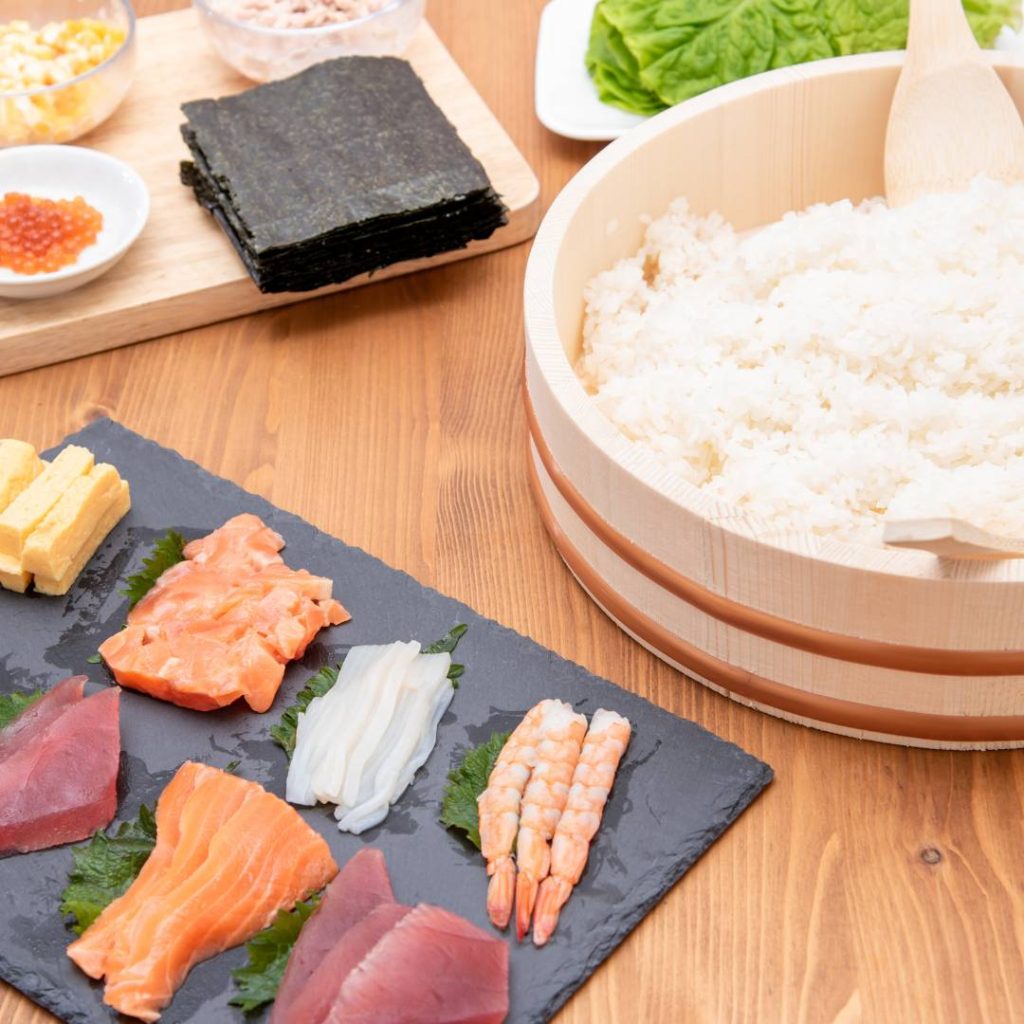 Sushi is a popular and delicious dish, but certain ingredients can dramatically increase the calorie count of a roll — with tempura, cream cheese, and rich sauces being the biggest contributors. In this section, we will discuss some of the high-calorie ingredients that are commonly found in sushi rolls.
Tempura
Tempura is a Japanese dish that consists of battered and deep-fried seafood or vegetables. When used in sushi rolls, tempura can add a significant amount of calories. For example, a shrimp tempura roll can contain up to 500 calories, while a vegetable tempura roll can contain up to 400 calories. If you are trying to watch your calorie intake, it may be best to avoid sushi rolls that contain tempura.Sauces
Sauces are often used to add flavor to sushi rolls, but they can also add a lot of calories. Some popular sushi sauces include eel sauce, spicy mayo, and soy sauce. Eel sauce is made from sugar, soy sauce, and mirin, and can add up to 60 calories per tablespoon. Spicy mayo is made from mayonnaise and chili sauce and can add up to 100 calories per tablespoon. Soy sauce is relatively low in calories, but it is high in sodium, which can contribute to water retention and bloating.Cream Cheese
Cream cheese is a popular ingredient in many sushi rolls, but it can also add a lot of calories. A salmon avocado roll with cream cheese can contain up to 500 calories, while a Philadelphia roll (salmon and cream cheese) can contain up to 300 calories. If you are trying to watch your calorie intake, it may be best to avoid sushi rolls that contain cream cheese.Smoked Salmon
Smoked salmon is a delicious ingredient that is often used in sushi rolls. However, it can also be high in calories. A smoked salmon roll can contain up to 300 calories, while a salmon avocado roll can contain up to 350 calories. If you are trying to watch your calorie intake, it may be best to limit your consumption of smoked salmon sushi rolls.Hidden Calories
Finally, it is important to be aware of the hidden calories in a sushi roll. For example, some sushi rolls may contain crunchy toppings, which are often made from fried noodles or panko breadcrumbs. These crunchy toppings can add a significant amount of calories in a sushi roll. Additionally, some sushi rolls may contain hidden ingredients like sugar or mayonnaise, which can also add to the calorie count.In conclusion, sushi rolls can be a delicious meal option, but it is important to be aware of the high-calorie ingredients that are commonly used. By avoiding sushi rolls that contain tempura, cream cheese, and excessive amounts of sauce, you can enjoy sushi while still maintaining a healthy diet.Is Sushi Suitable for Different Diets?
Sushi is a flexible food that can be adapted for many different dietary approaches — including low-calorie, vegetarian, and vegan diets — provided you select the right rolls and condiments. There are some dietary considerations to keep in mind when it comes to sushi.Diet
Sushi is a great option for those who are on a diet. It is low in calories and fat, and it is packed with protein and essential nutrients. However, it is important to keep in mind that some sushi rolls can be high in calories and fat, especially those that are made with fried tempura batter or that contain lots of extra fillings and sauces. To keep your sushi meal balanced, stick to rolls that are made with fish, and vegetables, and without extra sauces. The avocado roll is a great option, as it is low in calories and fat.Vegetarian and Vegan
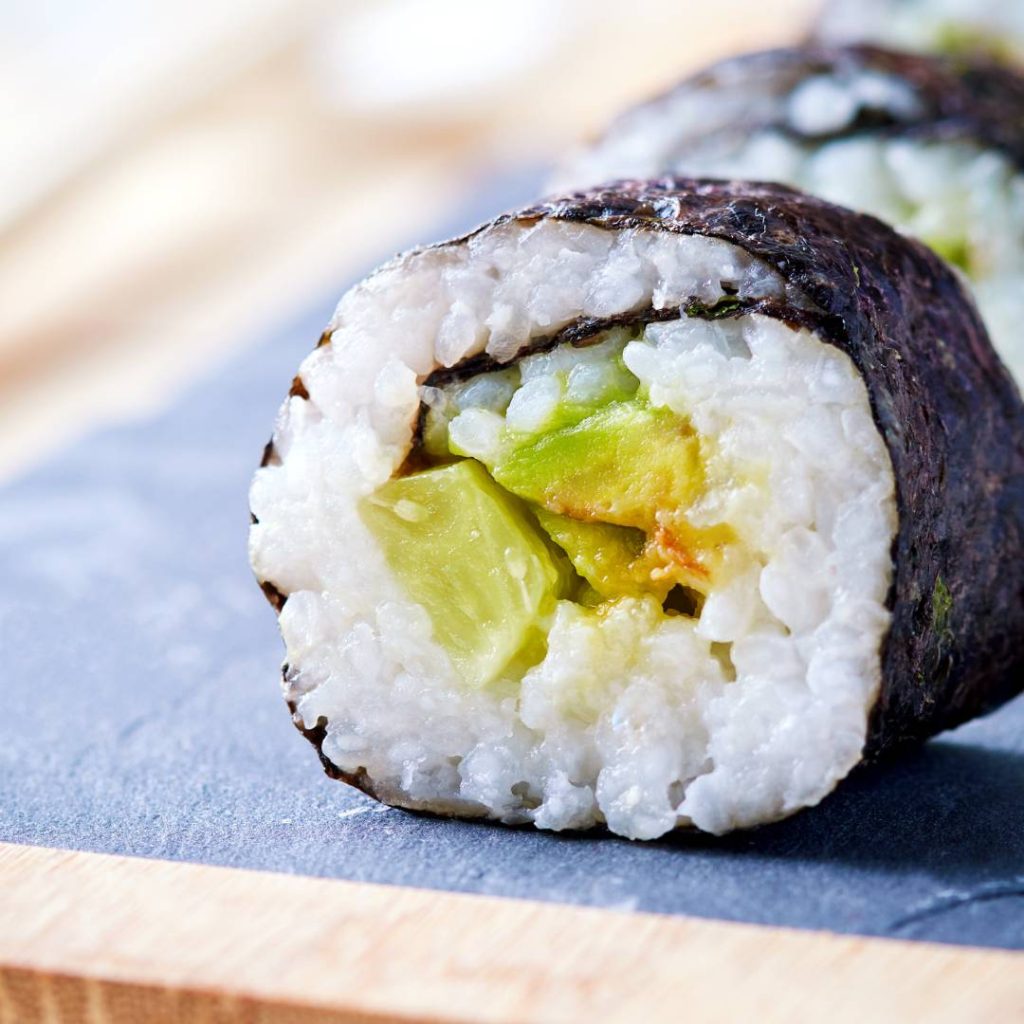 Vegetarians and vegans can enjoy sushi as well. There are plenty of vegetarian and vegan options available, such as cucumber rolls, avocado rolls, and vegetable rolls. Just make sure to ask your server about the ingredients to ensure that there are no animal products used in the sushi.
Weight Loss
Sushi can be a practical option for those who are looking to manage their weight. It is low in calories and fat, and it is packed with protein and essential nutrients. However, it is important to keep in mind that some sushi rolls can be high in calories and fat, especially those that are made with fried tempura batter or that contain lots of extra fillings and sauces. To keep your sushi meal lower in calories, stick to rolls that are made with fish, and vegetables, and without extra sauces.Walking
If you are looking to burn off some calories after a sushi meal, consider taking a walk. Walking is a great way to stay active and improve your overall wellness. Aim to walk for at least 30 minutes after your meal to help aid in digestion.Recipes
If you are looking to make sushi at home, there are plenty of recipes available online. Just make sure to use fresh ingredients and to follow the recipe carefully to ensure that your sushi turns out delicious and healthy.What Are the Potential Risks of Eating Sushi?
 Sushi is delicious and popular food, but it’s important to be aware of the potential risks associated with consuming it. Some of the key risks include:
Mercury
Certain types of fish commonly used in sushi, such as tuna and swordfish, can contain high levels of mercury. Mercury is a toxic substance that can cause serious health problems if consumed in large quantities. Pregnant women, nursing mothers, and young children are particularly vulnerable to the harmful effects of mercury, so it’s important to be cautious when consuming sushi.Raw Fish
Many types of sushi contain raw fish, which can carry harmful bacteria and parasites. This can lead to foodborne illnesses such as salmonella and E. coli. It’s important to make sure that the sushi you consume is prepared hygienically and that the fish is fresh and of high quality.Saturated Fat and Cholesterol
Some types of sushi, such as those containing cream cheese or mayonnaise, can be high in saturated fat and cholesterol. Consuming too much of these can increase your risk of heart disease and other health problems. It’s important to choose sushi options that are low in saturated fat and cholesterol, such as those containing vegetables or lean proteins like tuna or salmon.Sodium
Many types of sushi contain high levels of sodium, which can contribute to high blood pressure and other health problems. It’s important to be aware of your sodium intake and to choose sushi options that are lower in sodium. For example, you can opt for sushi rolls that contain vegetables or lean proteins instead of those that are fried or contain high-sodium sauces.In summary, while sushi can be a healthy and delicious food choice, it’s important to be aware of the potential risks associated with consuming it. By choosing high-quality, fresh sushi options and being mindful of your sodium, saturated fat, and cholesterol intake, you can enjoy sushi as part of a healthy and balanced diet.How Do Sushi Condiments Affect Calorie and Sodium Count?
 Sushi condiments are a significant — and often underestimated — source of extra calories and sodium; a single tablespoon of soy sauce alone adds approximately 900 mg of sodium, representing about 39% of the daily recommended intake. Here’s a breakdown of some common condiments and their impact on the nutritional value of your sushi roll:
Soy Sauce
Soy sauce is a staple condiment for sushi and is often used as a dipping sauce. While soy sauce is low in calories, it is high in sodium. One tablespoon of soy sauce contains around 900 mg of sodium, which is about 39% of the recommended daily intake. To reduce your sodium intake, try using low-sodium soy sauce or using less soy sauce overall.Pickled Ginger
Pickled ginger, or gari, is often served alongside sushi rolls to cleanse the palate between bites. While pickled ginger is low in calories and fat, it is high in sugar. One serving of pickled ginger contains around 1.5 g of sugar, which can add up if you eat a lot of it. Keep in mind that pickled ginger is also often dyed pink with food coloring, which is unnecessary and adds no nutritional value.Wasabi
Wasabi is a spicy condiment that is often served with sushi rolls. While wasabi is low in calories, it can be high in sodium if you use too much. Additionally, many sushi restaurants serve a mixture of wasabi and horseradish, which can increase the spiciness and make it harder to control how much you use. To avoid consuming too much sodium, try using wasabi sparingly or asking for it on the side.Other Condiments
Other condiments that are sometimes served with sushi rolls include mayonnaise, eel sauce, and spicy mayo. These condiments are high in calories, fat, and sugar, and should be used sparingly or avoided altogether if you are watching your calorie intake. If you are unsure about the nutritional value of a particular condiment, ask your server or look it up online before ordering.Overall, while condiments can add flavor to your sushi roll, they can also add unwanted calories and sodium. To keep your sushi roll as balanced as possible, try using condiments sparingly or opting for low-sodium options when available.How Do You Read Sushi Nutrition Labels?
Reading food labels is a straightforward way to compare the calorie and nutrient content of packaged sushi — the key is to always check the serving size first, since calorie figures on the label apply only to that specific portion. Understanding the information on food labels can help you manage your calorie intake and make more informed choices.Serving Size
The serving size on a food label is the amount of food that is typically eaten at one time. It is important to pay attention to the serving size because the calorie and nutrient information on the label is based on that serving size. If you eat more than the serving size, you will be consuming more calories and nutrients than what is listed on the label.Calories
The calorie information on a food label tells you how much energy you will get from one serving of that food. It is important to pay attention to the calorie information because consuming too many calories can lead to weight gain and other health problems. The daily calorie intake recommendation varies from person to person and depends on factors such as age, gender, height, weight, and activity level.Nutrients
Food labels provide information about the nutrients in the food, including fat, cholesterol, sodium, carbohydrates, fiber, sugar, and protein. It is important to pay attention to the amounts of these nutrients because consuming too much or too little of them can affect your health. The daily value (DV) percentage listed on the label helps you understand how much of each nutrient is in one serving of the food and how it fits into your daily diet.Daily Value
 The daily value (DV) is a reference value that shows how much of a nutrient is in one serving of the food compared to the recommended daily intake. The DV is based on a 2,000-calorie diet and is provided for fat, cholesterol, sodium, carbohydrates, fiber, sugar, and protein. The DV percentage listed on the label helps you understand how much of each nutrient is in one serving of the food and how it fits into your daily diet.
EPA and USDA
The Environmental Protection Agency (EPA) and the United States Department of Agriculture (USDA) are two government agencies that regulate food labeling. The EPA sets limits on the amount of pesticides and other contaminants that can be present in food, while the USDA regulates the labeling of meat, poultry, and egg products.In conclusion, understanding food labels is an important step in making informed decisions about what you eat. Paying attention to the serving size, calorie information, and nutrient content can help you manage your calorie intake and make healthier choices. The daily value percentage listed on the label helps you understand how much of each nutrient is in one serving of the food and how it fits into your daily diet.Frequently Asked Questions About Sushi Roll Calories
- How many calories are in a typical 6-piece sushi roll?
- A typical 6-piece sushi roll contains between 135 and 500 calories depending on the ingredients. Simple rolls like cucumber or avocado average around 135–140 calories, while standard fish rolls such as a California roll come in around 255 calories. Rolls with fried tempura, cream cheese, or rich sauces can reach 400–500 calories per 6 pieces. According to USDA FoodData Central (2024), nutrient composition varies significantly based on preparation method and individual ingredients.
- Which sushi roll has the fewest calories?
- The cucumber roll (kappa maki) and the avocado roll are consistently among the lowest-calorie sushi options, each averaging around 135–140 calories per 6-piece roll. Sashimi — raw fish served without rice — is even lower in carbohydrates and calories, making it the leanest sushi-menu choice overall.
- What ingredients add the most calories to a sushi roll?
- The four biggest calorie contributors in sushi rolls are: (1) tempura batter (deep-frying can add 150–250 calories per roll), (2) cream cheese (up to 100+ calories per roll), (3) spicy mayo (up to 100 calories per tablespoon), and (4) eel sauce (up to 60 calories per tablespoon). Opting for rolls without these additions is the most effective way to reduce calorie intake.
- How does soy sauce affect the sodium content of a sushi meal?
- Soy sauce is very high in sodium — one tablespoon contains approximately 900 mg, which represents about 39% of the recommended daily sodium intake. A sushi meal with several dips in soy sauce can therefore add 1,000–2,000 mg of sodium beyond the calories in the rolls themselves. Low-sodium soy sauce typically contains around 500–600 mg per tablespoon and is a practical alternative.
- What is the calorie difference between a sushi roll and sashimi?
- Sashimi (sliced raw fish without rice) contains significantly fewer calories than a sushi roll because it omits the vinegared rice, which accounts for roughly 100–140 calories per roll on its own. A 6-piece serving of salmon sashimi, for example, averages around 130–150 calories compared to approximately 231 calories for a 6-piece salmon roll. Sashimi is also lower in carbohydrates, making it a preferred option for those reducing starch intake.