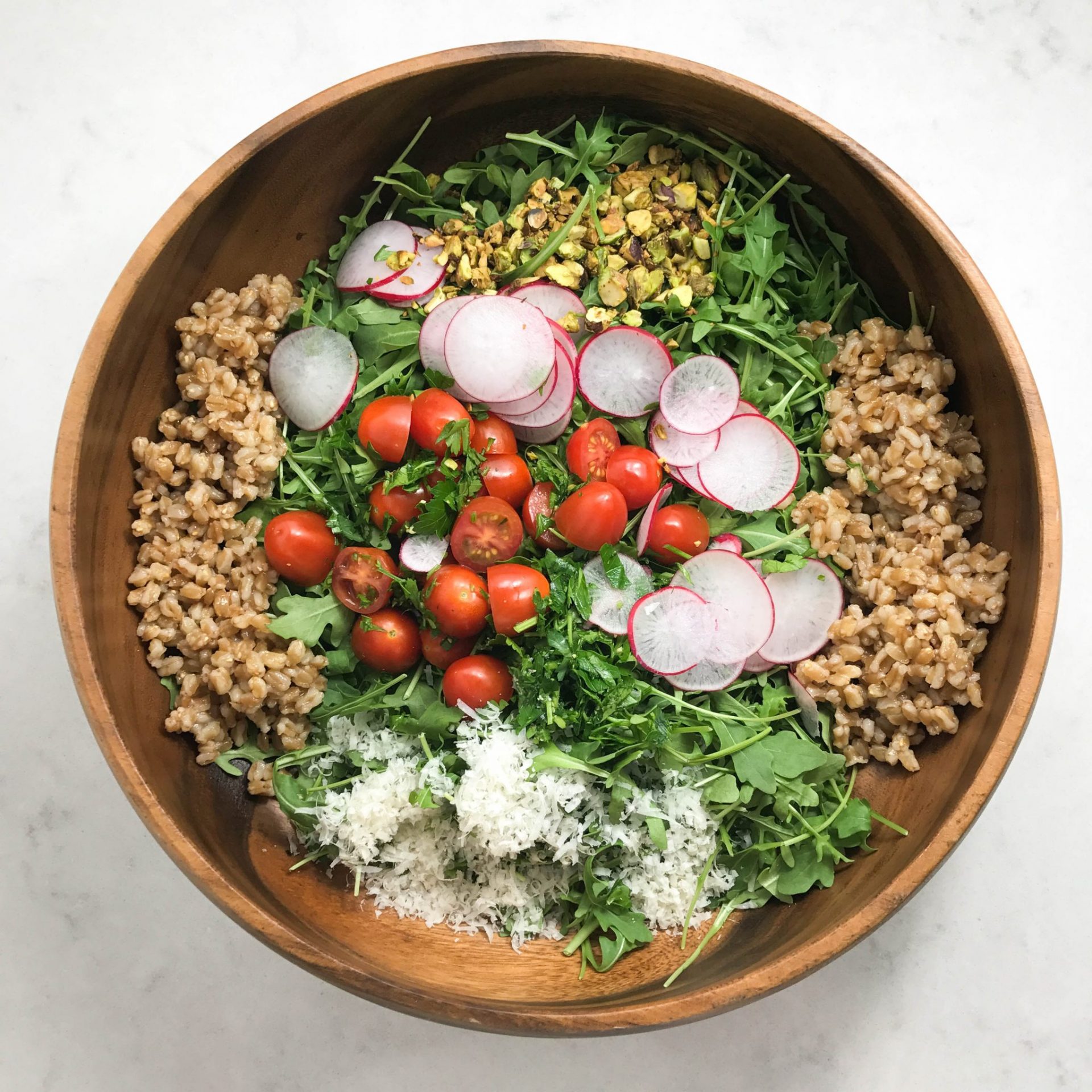
Delicious Charlie Bird’s Farro Salad: Version 1.0 Unveiled
This Charlie Bird farro salad recipe recreates one of New York City’s most celebrated grain salads in your own kitchen. Featuring chewy farro cooked in apple cider with bay leaves, then tossed with pistachio nuts, Parmesan, fresh herbs, and crisp vegetables, this salad strikes the perfect balance between hearty and refreshing. Whether you’re meal prepping for the week or impressing dinner guests, this restaurant-quality salad delivers exceptional flavor with surprisingly simple technique.
What Makes Charlie Bird’s Farro Salad Special?
This farro salad originated at Charlie Bird, a beloved SoHo restaurant where chef Ryan Hardy elevated the humble grain salad into something extraordinary. The secret lies in two key techniques: cooking the farro in apple cider with bay leaves (instead of plain water) to infuse it with subtle sweetness and aromatics, and using generous amounts of high-quality extra-virgin olive oil to create a luxurious base that coats every grain.
The result is a salad that’s substantial enough to serve as a main course yet light and fresh enough for a summer lunch. The interplay of textures—chewy farro, crunchy pistachios and radishes, tender arugula, juicy tomatoes—creates interest in every bite.
Understanding Farro: The Ancient Grain
What is Farro? Farro is an ancient wheat grain with a nutty flavor and pleasantly chewy texture. It’s been cultivated in Italy for thousands of years and remains a staple in Mediterranean cuisine.
Types of Farro
- Pearled Farro: The bran has been removed, cooking in about 20-30 minutes. This is what most recipes (including this one) call for.
- Semi-Pearled: Partially processed, cooking in 25-35 minutes with slightly more nutrients retained.
- Whole Farro: The entire grain intact, requiring 40-50 minutes of cooking and overnight soaking for best results.
Nutritional Benefits: Farro provides protein, fiber, iron, and magnesium. One cup of cooked farro contains about 7 grams of protein and 5 grams of fiber, making this salad genuinely satisfying.
Gluten Note: Farro is a type of wheat and contains gluten. For gluten-free alternatives, substitute with brown rice, wild rice, or quinoa, though the texture will differ.
Ingredient Deep-Dive: Building Flavor Layers
The Farro Base
Apple Cider (1 cup): This is what sets Charlie Bird’s version apart. The cider’s natural sweetness and acidity infuse the farro as it cooks, creating complexity you won’t get from water alone. Use unfiltered apple cider for the best flavor—the cloudy kind from the refrigerated section, not clear apple juice.
Bay Leaves (2): These add subtle earthy, slightly floral notes that complement the cider. Don’t skip them—they’re essential to the recipe’s signature flavor profile.
The Rich Foundation
Extra-Virgin Olive Oil (8 tablespoons): This seems like a lot, but it’s crucial. High-quality olive oil creates the salad’s luxurious mouthfeel and helps the seasonings adhere to the farro. Use your best bottle—the flavor matters here. Look for fresh, fruity olive oil with a peppery finish.
Lemon Juice (2 tablespoons): Brightens the rich olive oil and balances the Parmesan’s saltiness. Fresh-squeezed is essential—bottled lemon juice won’t provide the same vibrant acidity.
The Textural Elements
Pistachios (70g/½ cup, chopped): These nuts add buttery crunch and rich flavor that complements the farro beautifully. While you could substitute walnuts or pecans, pistachios provide a unique flavor that’s worth seeking out. Buy them shelled and roasted for convenience.
Parmesan Cheese (70g/½ cup, shaved): Use a vegetable peeler to create thin shavings that distribute throughout the salad better than grated cheese. Real Parmigiano-Reggiano makes a noticeable difference—look for the distinctive rind stamps.
The Fresh Components
Arugula (2 cups): This peppery green adds bite and freshness. Its slight bitterness contrasts beautifully with the sweet elements. Baby arugula works too, though mature arugula has more pronounced flavor.
Herbs (Parsley, Basil, Mint – 2 cups total): The generous herb ratio is what makes this salad sing. Mint adds cooling brightness, basil brings sweetness, and parsley provides grassy freshness. Don’t skimp—tear them roughly rather than chopping for the best presentation.
Cherry Tomatoes (¾ cup, halved): Sweet, juicy tomatoes balance the savory elements. For extra flavor, use heirloom cherry tomatoes or try roasting them first for concentrated sweetness.
Radishes (⅓ cup, thinly sliced): Crisp, peppery radishes add crunch and visual appeal. Use a mandoline for paper-thin slices that distribute evenly throughout the salad.
Step-by-Step: Cooking Technique That Matters
Cooking the Farro
The key to exceptional farro is seasoning it during cooking, not after. Bring 1 cup farro, 1 cup apple cider, 2 cups water, 2 teaspoons kosher salt, and 2 bay leaves to a simmer in a medium saucepan. Maintain a gentle simmer—vigorous boiling can make farro mushy.
Cook for approximately 30 minutes, tasting after 25 minutes to check doneness. Properly cooked farro should be tender with a slight al dente bite—similar to pasta cooked to al dente. If liquid evaporates before farro is tender, add water in ¼-cup increments.
Pro Tip: Let the farro cool completely before adding the fresh ingredients. Warm farro will wilt the arugula and herbs, destroying their fresh texture and vibrant color.
Building the Salad Base
In a large salad bowl, whisk together 8 tablespoons olive oil, 2 tablespoons lemon juice, and a pinch of salt. This creates the dressing that will coat every grain.
Add the cooled farro, shaved Parmesan, and chopped pistachios. Mix thoroughly—this base can sit at room temperature for up to 4 hours or be refrigerated overnight. This make-ahead quality makes it perfect for entertaining.
Important: If refrigerating, bring the farro base to room temperature before serving. Cold farro has a stiff, unappetizing texture and muted flavors.
Final Assembly
Just before serving, fold in the arugula, herbs, tomatoes, and radishes. Adding these at the last minute ensures they stay crisp and fresh rather than wilting in the dressing.
Finish with flaky sea salt (Maldon is traditional) for textural contrast and bursts of salinity. The flaky crystals provide a completely different experience than the kosher salt used in cooking.
Serving Suggestions and Pairings
As a Main Course
This salad is hearty enough to serve as a complete meal for lunch or a light dinner. The farro provides complex carbohydrates, the nuts and cheese add protein and fat, and the vegetables contribute vitamins and freshness. Serve with crusty bread and a glass of crisp white wine for a simple, satisfying meal.
As a Side Dish
Charlie Bird’s farro salad pairs beautifully with:
- Grilled meats: The salad’s acidity cuts through rich proteins like grilled steak, lamb chops, or roasted chicken
- Fish: Try it alongside grilled salmon, seared tuna, or roasted branzino
- Vegetarian mains: Complements roasted vegetables, baked eggplant, or stuffed peppers
- Holiday tables: Makes an excellent Thanksgiving or Christmas side, offering freshness among heavier traditional dishes
Meal Prep Excellence
The farro base (before adding fresh vegetables) keeps for 4-5 days refrigerated, making this ideal for meal prep. Prepare a double batch on Sunday, then add fresh vegetables daily for ready-to-eat lunches throughout the week.
Storage and Make-Ahead Tips
Refrigerator Storage:
- Farro base only (cooked farro + oil + cheese + nuts): 4-5 days in an airtight container. Bring to room temperature before serving.
- Complete salad (with fresh vegetables): Best eaten immediately, but will keep for 1 day refrigerated. The greens will wilt slightly.
- Cooked farro alone: Up to 1 week refrigerated or 3 months frozen.
Make-Ahead Strategy:
- Cook farro up to 3 days in advance
- Prepare the oil and lemon dressing separately (stores 1 week refrigerated)
- Prep vegetables the morning of serving (store separately in the fridge)
- Assemble the base 2-4 hours before serving
- Add fresh elements just before serving
Freezing: The farro base doesn’t freeze well due to the oil content. However, plain cooked farro freezes beautifully for up to 3 months. Thaw in the refrigerator overnight and proceed with the recipe.
Recipe Variations and Substitutions
Seasonal Adaptations
Summer Version: Replace radishes with sliced cucumbers and add fresh corn kernels. Swap mint for fresh dill.
Fall Version: Toss in diced roasted butternut squash or sweet potato. Use pomegranate arils instead of tomatoes and add dried cranberries.
Winter Version: Include roasted beets, swap arugula for kale (massage it first), and add dried figs or dates.
Spring Version: Add blanched asparagus, English peas, and fresh fennel. Use lemon zest for extra brightness.
Ingredient Substitutions
- No apple cider? Use 1 cup water + ½ teaspoon brown sugar + ½ teaspoon apple cider vinegar
- Nut-free: Replace pistachios with toasted sunflower or pumpkin seeds
- Dairy-free: Omit Parmesan or use nutritional yeast for umami flavor
- Different greens: Try spinach, mixed baby greens, or shredded radicchio
- Cheese alternatives: Aged pecorino, manchego, or crumbled feta all work beautifully
Troubleshooting Common Issues
Mushy Farro
Cause: Overcooked or cooked at too high a temperature
Solution: Maintain a gentle simmer (not a rolling boil) and start checking for doneness at 25 minutes. Farro should have a slight bite, similar to al dente pasta.
Bland Farro
Cause: Insufficient salt during cooking or using water instead of cider
Solution: Season the cooking liquid generously—2 teaspoons kosher salt for this recipe. The grains absorb seasoning as they cook; adding salt after won’t penetrate the same way.
Dry, Heavy Salad
Cause: Not enough olive oil or oil wasn’t properly emulsified
Solution: Don’t reduce the oil quantity—8 tablespoons is necessary for proper coating. Whisk oil and lemon together before adding farro.
Wilted Greens
Cause: Added fresh ingredients while farro was still warm, or assembled too far in advance
Solution: Let farro cool completely before adding arugula and herbs. Only add fresh elements within 30 minutes of serving.
Too Salty
Cause: Using fine table salt instead of kosher salt (it’s more concentrated)
Solution: If using table salt, reduce to 1 teaspoon. Taste the cooking liquid before adding farro—it should taste pleasantly salty but not overwhelmingly so.
Frequently Asked Questions
Can I make this salad vegan?
Yes! Omit the Parmesan cheese or replace it with 2-3 tablespoons nutritional yeast for similar umami flavor. The salad will still be delicious and satisfying.
How long does farro take to cook?
Pearled farro (most common) takes 20-30 minutes. Semi-pearled takes 25-35 minutes. Whole farro requires 40-50 minutes and benefits from overnight soaking. Always check your package instructions, as cooking times vary by brand and processing method.
Can I use other grains instead of farro?
Absolutely! Wheat berries, spelt berries, or barley make excellent substitutions with similar chewy texture. For gluten-free options, try brown rice, wild rice, or quinoa, though the texture and cooking time will differ.
Why does the recipe call for so much olive oil?
The generous oil amount (8 tablespoons for 6 servings) creates the salad’s signature richness and helps the seasonings adhere to each grain. It’s what makes this restaurant-quality rather than a simple grain bowl. For a lighter version, you can reduce to 6 tablespoons, but the texture won’t be quite as luxurious.
Can I prep this salad in advance for a party?
Yes! Prepare the farro base (farro, oil, lemon, cheese, nuts) up to 4 hours in advance and leave at room temperature, or make it the night before and refrigerate (bring to room temperature 1 hour before serving). Add the fresh vegetables, herbs, and flaky salt just before serving to maintain their texture and color.
What if my farro is still hard after 30 minutes?
You likely have whole farro rather than pearled. Add another ½-1 cup water and continue cooking, checking every 10 minutes until tender. Whole farro can take up to 50 minutes to cook properly.
Why This Recipe Works
Charlie Bird’s farro salad has become iconic because it follows principles that elevate simple ingredients:
1. Season During Cooking: Cooking farro in seasoned apple cider rather than plain water infuses every grain with flavor before you even start building the salad.
2. Fat as Flavor Carrier: The generous olive oil doesn’t just add richness—it carries and distributes flavors throughout the dish, coating each ingredient.
3. Textural Contrast: Chewy farro, crunchy nuts and radishes, tender greens, and juicy tomatoes create interest in every bite. No single texture dominates.
4. Fresh Finish: Adding herbs and vegetables at the last moment preserves their vibrant color and fresh flavor, preventing the salad from tasting tired or wilted.
5. Balance: Sweet (cider, tomatoes), salty (Parmesan, flaky salt), acidic (lemon, tomatoes), bitter (arugula), and umami (Parmesan, olive oil) elements all play together harmoniously.
The Charlie Bird Story
This recipe originated at Charlie Bird, the SoHo restaurant that opened in 2013 and quickly became a neighborhood favorite. Chef Ryan Hardy’s approach focused on simple, seasonal ingredients prepared with care and technique rather than complexity. The farro salad exemplifies this philosophy—it uses pantry staples and common vegetables but elevates them through thoughtful preparation.
The restaurant shared this recipe with the New York Times in 2013, and it has since become one of the publication’s most popular and frequently made recipes, with thousands of home cooks recreating it. Its enduring popularity speaks to how well-balanced and satisfying the combination truly is.
Personal Experience and Adaptations
Farro is my favorite grain. It’s chewy, nutritious, and versatile—you can add it to soups, serve it as a side, or make it the star of a main course. This particular salad is easily one of the best I’ve eaten.
After making this recipe dozens of times, I’ve found that if you’re tight on time or don’t have apple cider on hand, you can use just straight farro cooked in water. The result is still delicious, though you’ll miss the subtle sweetness and complexity the cider provides.
I’ve also discovered that mixing in the Parmesan cheese may slightly overpower the cider and bay leaf flavor—it’s very subtle. Some batches, I add the Parmesan on top instead of mixing it in, which allows the farro’s natural flavors to shine through more clearly.
Regardless of minor tweaks, this has become part of my regular rotation when I’m craving something fresh yet substantial. The farro, herbs, nuts, and cheese complement each other beautifully, and the salad works equally well for casual weeknight dinners or more formal entertaining.
Related Farro Recipes
If you love farro, try these other recipes from All Day I Eat:
- Warm Farro Salad with Butternut Squash and Radicchio
- Warm Farro with Buttered Onions, Cranberries, and Pecans
- Farroto with Asparagus, Peas, and Fresh Herbs
- Warm Farro Salad with Easter Egg Radishes and Broccoli
- Warm Farro Salad with Fresh Herbs, Goat Cheese and Dried Cherries
- Farro Salad with Swiss Chard, Olives, and Garlic (Vegan)
Inspired by the NY Times recipe from Charlie Bird.
This is one of my most popular recipes—please help spread the word and Pin it!
—
This Charlie Bird farro salad recipe transforms simple ingredients into restaurant-quality results through thoughtful technique and generous use of quality olive oil. The apple cider-cooked farro creates a flavorful base that pairs beautifully with fresh herbs, crunchy nuts, and crisp vegetables for a salad that works equally well for meal prep or entertaining.
Charlie Bird’s Farro Salad version 1.0
- Prep Time: 15 minutes
- Cook Time: 30 minutes
- Total Time: 45 minutes
- Yield: 4 people 1x
- Category: side
- Cuisine: New American
Ingredients
Farro
- 1 cup pearled farro
- 1.5 cups water (adjust water amount so as not to exceed liquid per farro package instructions)
- 1 cup apple cider (I used Hard Cider from trader Joes)
- 1/2 teaspoon Kosher salt
- 2 bay leaves
Dressing
- 8 tablespoons extra-virgin olive oil
- 3 tablespoons Lemon juice
- 1/2 cup Parmesan cheese (shave with a vegetable peeler )
- 1/2 cup chopped pistachio nuts
Salad
- 2 cups arugula leaves
- 1 cup torn basil leaves
- 1 cup mint leaves
- 3/4 cup halved cherry tomatoes
- 1/3 cup thinly sliced radish
Instructions
- In a medium saucepan, bring farro, apple cider, salt, bay leaves and water to a simmer and continue until farro is tender and liquid is absorbed ~30 minutes. If all the liquid evaporates before the farro is done, add a little more water.
- In a salad bowl, whisk together olive oil, lemon juice and a pinch of salt. Add farro, cheese and pistachio nuts and mix.
- Just before serving, fold in arugula, herbs, tomatoes, radish and grind fresh pepper on top.This salad tastes best at room temperature or a little warm. I didn’t like it straight out of the fridge as the coolness muted some of the flavors.



That looks so good!
thank you Kirby! it tastes even better!! 🙂