Shoyu Koji Recipe: Homemade Fermented Soy Sauce with Koji (Umami Condiment)
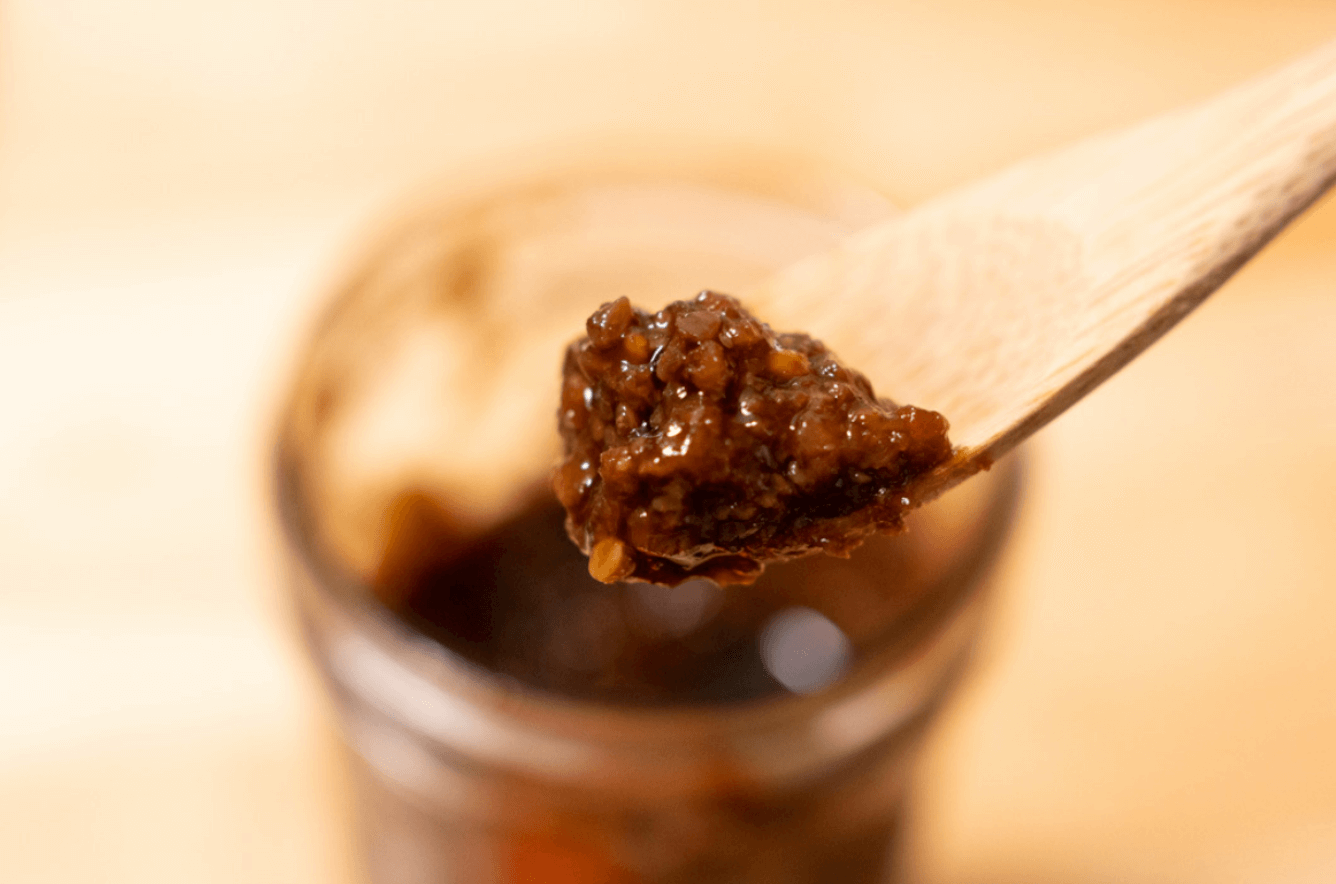
Shoyu koji is one of the best-kept secrets in Japanese home cooking. This fermented soy sauce is packed with umami, incredibly easy to make, and once you try it, you might never go back to plain soy sauce again. Here is my simple shoyu koji recipe that only takes two ingredients and about 10 days of patience.
What Is Shoyu Koji?
Shoyu koji (醤油麹) is a fermented Japanese koji sauce made by combining soy sauce (shoyu) with rice koji (kome koji) and letting it ferment at room temperature for about 10 days. The result is a thick, deeply savory condiment that has significantly more umami than regular soy sauce.
If you have made shio koji before, think of shoyu koji as its richer, more complex cousin. Where shio koji uses salt and water, this shoyu koji recipe swaps those out for soy sauce, giving you a fermented soy sauce with incredible depth of flavor.
I have been fermenting foods at home for years, and shoyu koji is honestly one of the easiest fermentation projects you can do. Two ingredients, a jar, and some stirring once a day. That is it.
Shoyu Koji vs. Regular Soy Sauce
You might be wondering why you would bother making shoyu koji when you already have a bottle of soy sauce in the fridge. Here is the difference:
- More umami: Studies have shown that shoyu koji contains up to 10 times more glutamic acid (the amino acid responsible for umami flavor) than regular soy sauce. The koji enzymes break down proteins in the soy sauce into free amino acids during fermentation.
- Thicker texture: Shoyu koji has a thicker, almost paste-like consistency compared to liquid soy sauce. This helps it cling to food better, making it ideal as a marinade or glaze.
- More complex flavor: The fermentation process creates new flavor compounds that give shoyu koji a rounder, sweeter, and more complex taste profile than plain shoyu.
- Tenderizing power: The enzymes from the koji actively break down proteins in meat and fish, making shoyu koji a natural tenderizer on top of being a seasoning.
You can substitute shoyu koji for regular soy sauce in a 1:1 ratio in most recipes. Once you start using it, you will notice the difference immediately.
Shoyu Koji vs. Shio Koji
Both shoyu koji and shio koji are koji-based fermented seasonings, but they have distinct characteristics:
- Shio koji is made with salt, water, and rice koji. It has a lighter, more neutral flavor and is great for seasoning where you do not want to add soy sauce color or flavor.
- Shoyu koji is made with soy sauce and rice koji. It has a deeper, more savory flavor with that recognizable soy sauce character, amplified by fermentation.
- Both work as marinades and tenderizers. I tend to use shio koji for lighter dishes like fish and vegetables, and shoyu koji for heartier dishes where I want that rich, dark umami hit.
If you are new to koji fermentation, I recommend starting with my shio koji recipe first, then graduating to shoyu koji once you are comfortable with the process.
Understanding the Ingredients
Since shoyu koji uses so few ingredients, understanding each one matters. Here is what you need to know about the components that make this fermented soy sauce condiment work.
Kome Koji (Rice Koji)
Kome koji is steamed rice that has been inoculated with Aspergillus oryzae, a beneficial mold that has been used in Japanese fermentation for over a thousand years. This mold produces powerful enzymes — proteases, amylases, and lipases — that break down proteins, starches, and fats into intensely flavorful compounds. The quality of your koji directly determines the quality of your shoyu koji.
You can use either fresh koji or dried koji for this recipe. Fresh koji is more active and ferments slightly faster, but dried koji is easier to find and stores much longer. If using dried koji, no need to rehydrate it first — the soy sauce provides all the moisture it needs. Look for koji from reputable sources like Miyako Koji, or grow your own koji at home.
Soy Sauce (Shoyu)
Use a quality Japanese soy sauce — naturally brewed (hon jozo) brands like Kikkoman or Yamasa work well. Check the label: the ingredient list should be short (soybeans, wheat, salt, water). Avoid cheap soy sauces made with hydrolyzed vegetable protein or loaded with additives like caramel color and corn syrup. Since soy sauce is one of only two ingredients, cutting corners here directly impacts the final flavor.
Water
Some shoyu koji recipes add a small amount of water to the mixture. If you do, use filtered water. Chlorine in tap water can inhibit the koji enzymes and slow down or interfere with the fermentation process. That said, this recipe works perfectly with just soy sauce and koji — water is optional.
The Ratio
The standard ratio for shoyu koji is roughly 1:1 koji to soy sauce by weight. If you add water, it is typically around 1:1:0.5 (koji : soy sauce : water). This ratio is flexible — more soy sauce gives a thinner, more liquid result; less gives a thicker paste. Experiment to find the consistency you prefer.
The Fermentation Science Behind Shoyu Koji
What makes this koji sauce recipe work is the power of Aspergillus oryzae, the koji mold that has been cultivated on rice to create kome koji. When you combine this with soy sauce, several things happen:
- Protease enzymes from the koji break down proteins in the soy sauce into individual amino acids, dramatically increasing the free glutamic acid content. This is where the extra umami comes from.
- Amylase enzymes convert the starches in the rice koji into simple sugars, adding a subtle sweetness that balances the saltiness of the soy sauce.
- Lipase enzymes break down fats and create new aromatic compounds that contribute to the complex flavor profile.
This is the same mold used to make miso, sake, and soy sauce itself. With shoyu koji, you are essentially giving the soy sauce a second round of fermentation, which is why the flavor becomes so much more concentrated and complex. If you enjoy fermented foods, you might also like my genmai amakoji (fermented brown rice with kome koji), which uses the same enzymatic principles to create a naturally sweet fermented food.
How to Use Shoyu Koji
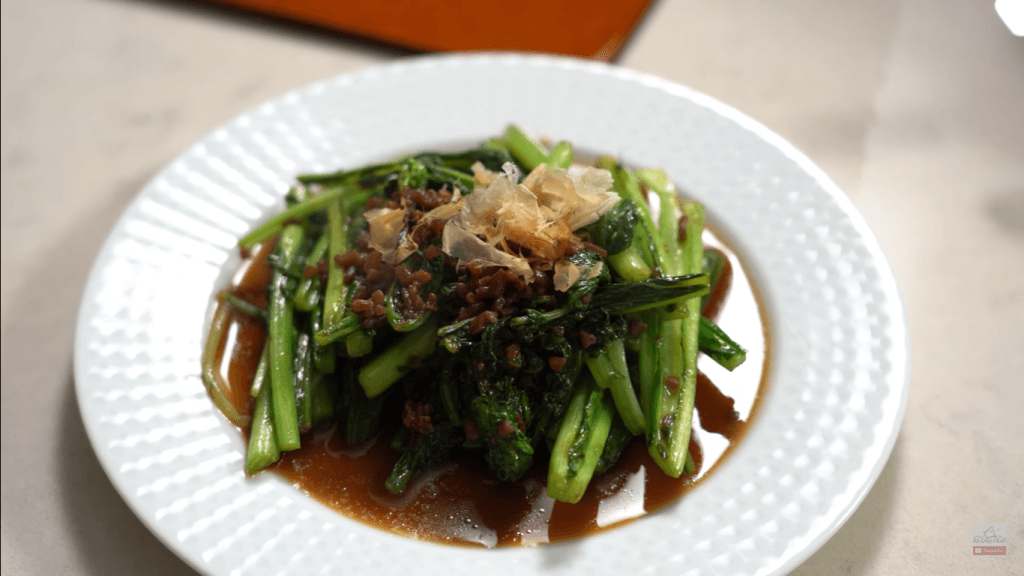
The simplest way to think about it: anywhere you would use soy sauce, you can use shoyu koji instead. But it really shines in a few specific applications:
As a Marinade
This is where shoyu koji is at its best. The koji enzymes actively tenderize proteins while infusing deep umami flavor. Marinate chicken, pork, fish, or tofu for 30 minutes to overnight. The difference compared to a plain soy sauce marinade is night and day.
As a Dipping Sauce
Use shoyu koji straight as a dip for sashimi, gyoza, or natto. The thicker texture clings better than regular soy sauce, and the amplified umami means you can use less.
In Dressings and Sauces
Mix shoyu koji into salad dressings, stir-fry sauces, or pasta dishes for an instant umami boost. A tablespoon goes a long way. Try it in a shio koji dressing — swap the shio koji for shoyu koji for a deeper, richer version.
In Stir-Fries
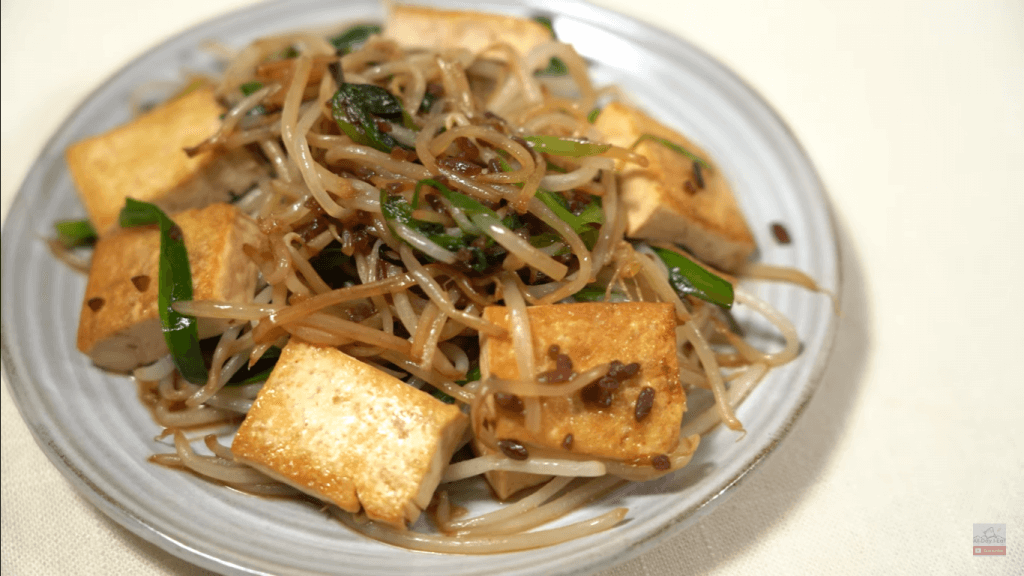
Add shoyu koji toward the end of cooking a stir-fry for a flavor that coats every ingredient evenly. My shoyu koji stir-fry with bean sprouts and tofu is one of the most popular ways to use it.
In Soups and Stews
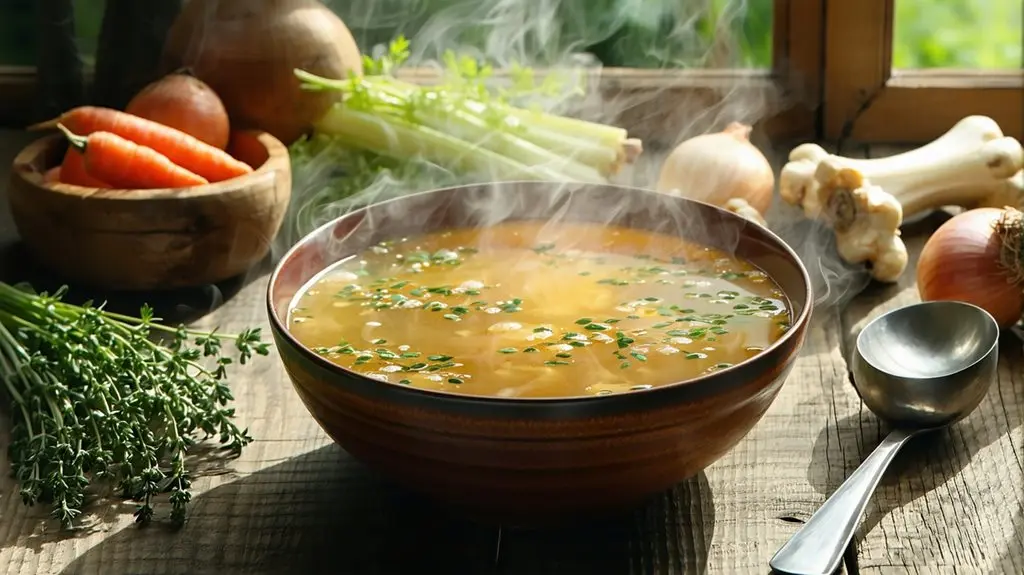
Stir a small spoonful of shoyu koji into soups, ramen broth, or stews right before serving. It rounds out the flavor in a way that plain soy sauce cannot match.
Keep in mind: Shoyu koji is high in sodium since it is made from soy sauce, so use it in moderation just as you would with regular shoyu.
Tips for Making the Best Shoyu Koji
- Use quality soy sauce. Since there are only two ingredients, the quality of your soy sauce matters. I recommend a naturally brewed Japanese soy sauce (hon jozo) rather than chemically hydrolyzed varieties.
- Stir daily. Mixing once a day introduces oxygen and distributes the enzymes evenly. It only takes 30 seconds.
- Keep the koji submerged. The rice grains absorb soy sauce over the first day or two. Top off with more soy sauce whenever the surface grains are exposed.
- Room temperature is fine. Ferment at normal room temperature, ideally between 20-30°C (68-86°F). Warmer temperatures speed up fermentation, cooler temperatures slow it down.
- Taste as you go. The shoyu koji is usable after about 5-7 days, but I find the best flavor develops around day 10. Taste it each day when you stir and notice how the flavor evolves.
Equipment You Need
You do not need any special equipment to make this koji sauce recipe:
- A glass jar or container with a lid — any clean glass jar works. I use mason jars or repurposed food containers.
- A spoon for stirring — wood or metal, either is fine.
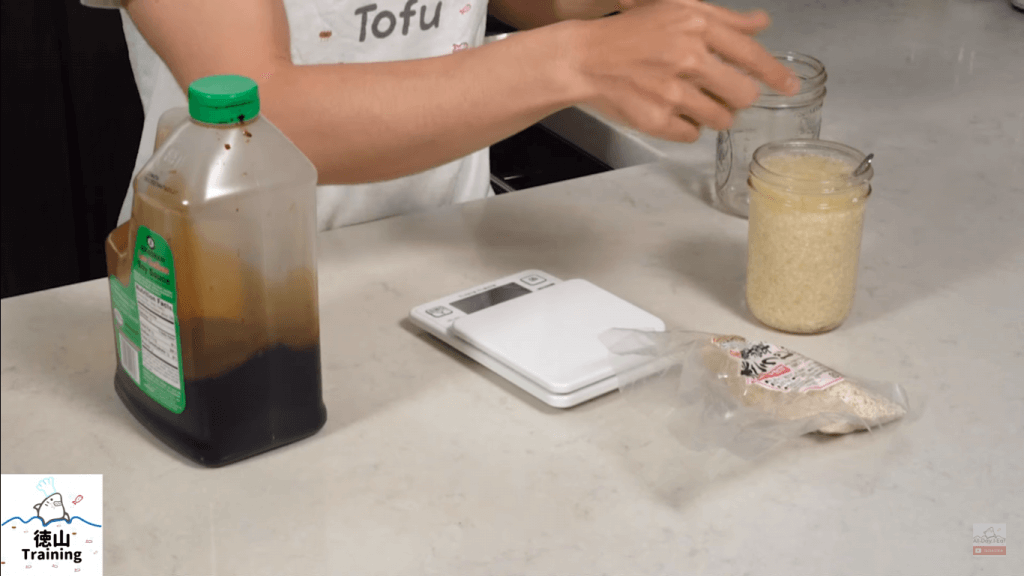
- A kitchen scale — for measuring the soy sauce and koji by weight (grams). This gives you the most consistent results.
That is it. No fermentation crocks, no special temperature controls, no airlocks. This is one of the most beginner-friendly fermentation projects out there. If you enjoy fermentation and already have a yogurt maker like the Tanica Yogurtia, you can also use it for other projects like making natto at home.
Variations and Flavor Ideas
Once you have the basic shoyu koji recipe down, you can experiment with variations:
- Garlic shoyu koji: Add a few sliced cloves of garlic at the start of fermentation for a garlic-infused version that is incredible on grilled meats.
- Ginger shoyu koji: Add thin slices of fresh ginger for a bright, warming twist.
- Chili shoyu koji: Add dried chili flakes or a whole dried chili for a spicy umami sauce.
- Tamari version: Substitute tamari for soy sauce if you want a gluten-free option (make sure your koji rice is also gluten-free).
- Smooth shoyu koji: After fermentation is complete, blend the mixture in a food processor until smooth. This creates a paste-like consistency that works especially well in dressings and as a spread.
How to Store Shoyu Koji
Once your shoyu koji has finished fermenting (around 10 days), transfer it to the refrigerator. The cold temperature slows down the enzyme activity dramatically.
- Refrigerator: Keeps for 3-6 months easily. The flavor will continue to develop slowly even in the fridge, becoming deeper and more mellow over time.
- Freezer: For longer storage, you can freeze shoyu koji. It will keep for up to a year. The high salt content means it will not freeze completely solid, so you can scoop out what you need without thawing.
You will know it has gone bad if you see unusual mold growth (white surface mold is normal and can be stirred back in, but any blue, green, or black mold means discard it) or if it smells off.
Nutritional Benefits of Shoyu Koji
Beyond its incredible flavor, shoyu koji offers several nutritional advantages over regular soy sauce:
-
. This means your body absorbs the nutritional benefits more efficiently.
- Natural probiotics: Like other fermented foods, shoyu koji contains beneficial microorganisms produced during the fermentation process.
- Lower effective sodium intake: Because shoyu koji is so rich in umami, you naturally use less of it to achieve the same depth of flavor. This means your overall sodium intake can be lower compared to seasoning with regular soy sauce.
- Beneficial digestive enzymes: The koji enzymes — particularly proteases and amylases — remain active in the finished product and can aid in digesting the proteins and starches in the foods you pair it with.
- No artificial additives: Homemade shoyu koji contains exactly two ingredients with zero artificial preservatives, colorings, or flavor enhancers. Everything that makes it delicious comes from natural fermentation.
Troubleshooting Common Problems
Shoyu koji is forgiving, but here are solutions if something seems off during fermentation:
- Too salty: If your finished shoyu koji tastes too salty, you can add a small amount of water and let it ferment for a few more days. The koji enzymes will continue breaking down proteins into amino acids, which adds sweetness and umami that balance out the salt perception. Longer fermentation generally means mellower, rounder flavor.
- Mold on the surface: A thin white layer on top is usually harmless — it is likely just koji or a yeast film called kahm yeast, and you can stir it back in. However, if you see any green, black, or pink mold, discard the entire batch. To prevent unwanted mold, make sure the koji stays submerged under the soy sauce liquid.
- Not thickening: If your shoyu koji seems too thin after 10 days, try stirring more frequently (twice a day instead of once) and make sure it is fermenting in a warm enough spot. Room temperature (20-30°C / 68-86°F) is ideal. Cooler environments slow enzyme activity significantly. You can also reduce the amount of soy sauce slightly in your next batch for a thicker result.
- Smells strongly or funky: Some strong, funky aromas are completely normal during active fermentation — that is the koji enzymes hard at work. The smell mellows considerably as the shoyu koji matures and especially after it goes into the refrigerator. If it smells truly rancid or like alcohol, something may have gone wrong, but a strong fermented aroma on its own is not cause for concern.
Shoyu Koji | Recipe for Shoyu Koji Sauce (EASY!)
Ingredients
- 100 grams soy sauce (plus more to top off)
- 100 grams kome koji
Instructions
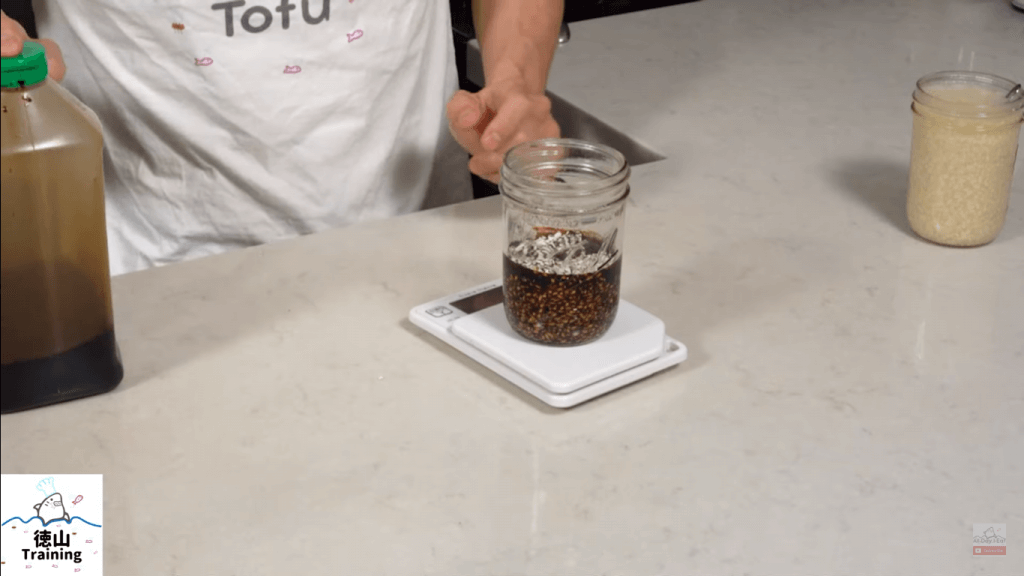
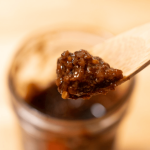
- Add the soy sauce and the kome koji to a glass container and gently mix so that all of the rice grains have been wet by the soy sauce.
- The rice will absorb some of the liquid, so wait about 10-15 minutes and top off and cover.
- Mix once a day for 10 days.
- Use as you would regular soy sauce and substitute in a 1:1 ratio.
Notes
- The shoyu kouji will be ready to use at about 5-7 days in, but tastes best at 10 days. Taste how the flavor changes and see if you can notice a difference.
- If the top portion of the mixture is no longer submerged, add additional soy sauce to keep it slightly submerged.
- If you want a smooth texture, consider pureeing it into a paste!
Frequently Asked Questions
What does shoyu koji taste like?
Shoyu koji tastes like a richer, deeper version of soy sauce with a noticeable sweetness and a more complex umami flavor. The texture is thicker and slightly grainy from the rice koji. Think of it as soy sauce with the volume turned up.
Can I use shoyu koji as a substitute for soy sauce?
Yes. You can replace regular soy sauce with shoyu koji in a 1:1 ratio. The flavor will be more intense, so you may find you need slightly less. It works in any dish where you would normally use soy sauce.
How long does it take to make shoyu koji?
The active preparation time is about 5 minutes. After that, you simply stir the mixture once a day for about 10 days. You can start using it after 5-7 days, but the full 10 days gives the best flavor.
Where can I buy kome koji?
Kome koji (rice koji) can be found at Japanese grocery stores, online retailers, or you can grow your own koji at home. Look for dried or fresh rice koji. Both work well for this recipe.
Is shoyu koji the same as koji soy sauce?
Shoyu koji and koji soy sauce refer to the same thing — soy sauce that has been fermented with rice koji. You may also see it called koji shoyu or soy sauce koji. They are all the same fermented condiment.
Can I make shoyu koji with tamari instead of soy sauce?
Yes. Substituting tamari for soy sauce will give you a gluten-free version of shoyu koji (assuming your rice koji is also gluten-free). The flavor will be slightly different since tamari tends to be richer and less salty than regular soy sauce.
Why is my shoyu koji bubbling?
Some bubbling during fermentation is completely normal. It means the koji is active and the fermentation process is working. Just continue stirring once a day as usual.
Do I need to cook shoyu koji?
No. Shoyu koji is ready to use straight from the jar with no cooking required. You can add it to cooked dishes, use it as a raw condiment, or incorporate it into marinades and dressings.
How is shoyu koji different from shio koji in cooking?
Shoyu koji adds deep umami flavor and a dark color similar to soy sauce, while shio koji adds a subtle sweetness and primarily works as a tenderizer for proteins. Use shoyu koji when you want that soy sauce flavor with more complexity and depth. Use shio koji for lighter dishes like seafood, chicken, or vegetables where you do not want to add color or a strong soy flavor.
Can I use shoyu koji in Western cooking?
Absolutely. Shoyu koji is incredible in Western dishes — try it in pasta sauces, gravies, roasted vegetables, burger patties, and salad dressings. Think of it as a universal flavor amplifier that works across cuisines. Anywhere you want more depth and umami without overpowering the dish, shoyu koji delivers.
[embedyt] https://www.youtube.com/watch?v=B6QjJRZz6y4[/embedyt]
Have you tried making shoyu koji at home? If you give this recipe a try, I would love to hear how it turns out. Leave a comment below with your questions or let me know your favorite way to use it.


I used to be able to buy soy sauce Koji at my farmers market but the company is going out of business so I’m branching out on my own. Thanks for your help, however when I mixed equal parts of Koji rice and soy sauce my mixture was much drier than yours looked; should I keep adding more soy sauce?
yes you can keep adding to get your desired consistency, it may also help to puree in a blender if you want it smooth rather than chunky! have you tasted it yet?